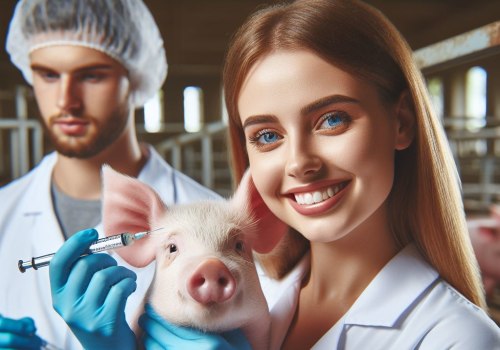
Animal breeding is a fundamental practice in agriculture and livestock management that plays a crucial role in enhancing the quality and productivity of various species. By selectively breeding animals, farmers and breeders can improve desirable traits such as growth rate, disease resistance, and reproductive performance. This process not only contributes to the economic viability of farming operations but also ensures the sustainability of livestock populations.The significance of breeding practices extends beyond mere productivity; it encompasses the ethical responsibility of maintaining healthy animal populations. Through careful selection, breeders can mitigate genetic disorders and promote overall well-being within their herds or flocks.
This is particularly important in an era where consumer demand for high-quality, ethically sourced animal products is on the rise.Moreover, understanding the importance of breeding allows breeders to adapt to changing environmental conditions and market demands. For instance, as climate change impacts agricultural practices, selecting animals that are more resilient to heat stress or disease can safeguard food security. Thus, the art and science of animal breeding not only shape the future of agriculture but also contribute to global efforts in sustainable food production.
Factors Influencing Breeder Selection
When it comes to animal breeding, breeders must carefully evaluate a variety of factors to select the best candidates from their herd or flock. The selection process is crucial for improving the overall quality and performance of the animals, and it involves a thorough understanding of genetics, health, and specific traits.Genetic Traits
- Heritability: Breeders often look for traits that have a high heritability, meaning they are likely to be passed on to the offspring.
This includes desirable characteristics such as size, coat color, and temperament.
- Diversity: Maintaining genetic diversity is essential to avoid inbreeding. Breeders may select animals from different bloodlines to enhance genetic variation.
- Performance Metrics: Evaluating an animal's performance in terms of growth rates, milk production, or egg-laying capacity can provide insights into its breeding potential.
Health Status
- Health Screening: Before selecting animals for breeding, breeders conduct health screenings to ensure that only healthy individuals are chosen. This helps prevent the transmission of genetic diseases.
- Longevity: Animals that have demonstrated good health and longevity are often preferred as they are more likely to produce healthy offspring.
Environmental Adaptability
- Adaptation to Environment: Breeders consider how well an animal adapts to its environment. Animals that thrive in specific conditions are more likely to pass on those traits to their young.
- Behavioral Traits: Traits such as docility or aggression can influence an animal's ability to thrive in a given environment, making them important factors in selection.
By focusing on these factors, breeders can enhance the quality and performance of their herds or flocks, ultimately leading to better outcomes for both the animals and their owners.
Genetic Considerations in Breeding
When it comes to animal breeding, understanding the genetic makeup of the animals is crucial for making informed selection decisions. Breeders often focus on two primary genetic considerations: heritability and genetic diversity.Heritability in Animal Breeding
Heritability refers to the proportion of observed variation in a trait that can be attributed to genetic factors. In animal breeding, traits such as growth rate, disease resistance, and reproductive performance are often evaluated for their heritability. Breeders aim to select animals with high heritability for desirable traits, as this increases the likelihood that these traits will be passed on to future generations.The Importance of Genetic Diversity
Genetic diversity is another critical factor in breeding programs.A diverse gene pool helps ensure the health and viability of a herd or flock. When breeders select animals, they must consider not only the traits they want to enhance but also the need to maintain a broad genetic base. This is essential for reducing the risk of genetic disorders and improving overall resilience against diseases.
- Inbreeding: Excessive inbreeding can lead to a decrease in genetic diversity, resulting in negative health outcomes.
- Outcrossing: Introducing unrelated animals into a breeding program can enhance genetic diversity and improve the overall quality of offspring.
- Selection Indexes: Breeders often use selection indexes that combine multiple traits, allowing them to make more informed decisions based on both heritability and genetic diversity.
Health and Wellness Assessments
When it comes to animal breeding, the health and wellness of potential breeding candidates are paramount.Breeders conduct thorough health assessments to ensure that only the healthiest animals are selected for reproduction. This process not only enhances the quality of the offspring but also contributes to the overall vitality of the herd or flock.
Evaluating Health Criteria
- Physical Examination: Breeders start with a comprehensive physical examination, looking for any signs of illness, injury, or genetic defects. This includes checking for proper body condition, coat quality, and overall demeanor.
- Genetic Testing: Many breeders utilize genetic testing to identify carriers of hereditary diseases. This proactive approach helps in selecting animals that are less likely to pass on genetic disorders to their offspring.
- Vaccination and Health Records: Maintaining up-to-date vaccination records is crucial.
Breeders review these records to ensure that potential breeding animals are protected against common diseases.
Disease Resistance
A significant aspect of health assessments is evaluating an animal's disease resistance. Breeders often consider the following factors:
- Previous Health History: An animal's past health issues can indicate its resilience or susceptibility to diseases. Breeders prefer animals with a history of robust health.
- Environmental Adaptability: Animals that thrive in specific environments may have better disease resistance. Breeders assess how well potential candidates adapt to local conditions.
- Progeny Performance: The health and performance of an animal's previous offspring can provide insights into its genetic contribution to disease resistance.
By focusing on health criteria and disease resistance, breeders can make informed decisions that lead to healthier, more resilient animals in their herds or flocks.
Performance Metrics and Evaluation
In the realm of animal breeding, the selection of breeding stock is a critical process that hinges on the use of various performance metrics. These metrics provide breeders with quantifiable data to assess the potential of animals in their herd or flock, ensuring that only the best candidates are chosen for reproduction.One of the primary methods for evaluating breeding stock is through productivity measures. These measures can include:- Growth rates: The speed at which an animal reaches market weight or maturity is a key indicator of its genetic potential.
- Reproductive performance: Metrics such as litter size, conception rates, and calving intervals help breeders understand the fertility and overall reproductive health of their animals.
- Milk production: For dairy breeds, the quantity and quality of milk produced are essential metrics that directly impact profitability.
- Carcass quality: In meat-producing animals, traits such as marbling, muscle-to-fat ratio, and overall carcass yield are critical for market success.
- Pedigree analysis: Understanding the lineage of an animal can provide insights into its genetic strengths and weaknesses.
- Previous offspring performance: Evaluating how past progeny have performed can indicate the likelihood of future success.
- Health records: A history of diseases or health issues can disqualify an animal from breeding consideration.
By focusing on animals that demonstrate superior traits and productivity measures, breeders can enhance the overall quality and profitability of their herds or flocks. Ultimately, this data-driven approach not only improves individual animal performance but also contributes to the sustainability and success of the entire breeding operation.
Breeding Goals and Objectives
When it comes to animal breeding, establishing clear breeding goals and objectives is crucial for breeders aiming to enhance their herds or flocks. These goals can vary significantly depending on the species, the specific traits desired, and the overall purpose of the breeding program.Common Breeding Goals
- Improving Productivity: One of the primary objectives is to increase productivity, whether that means higher milk yields in dairy cattle, greater egg production in poultry, or enhanced growth rates in meat animals.
- Enhancing Disease Resistance: Breeders often select animals that show resilience to common diseases, thereby reducing veterinary costs and improving overall herd health.
- Improving Quality Traits: This includes selecting for better meat quality, wool characteristics, or other desirable physical traits that can enhance marketability.
- Behavioral Traits: Breeders may also focus on temperament and behavior, selecting for animals that are easier to handle and less aggressive.
Selective Breeding Strategies
To achieve these goals, breeders employ various selective breeding strategies. These strategies can include:
- Phenotypic Selection: This involves choosing animals based on observable traits.
For example, a breeder might select the largest and healthiest individuals for breeding.
- Genetic Selection: Utilizing genetic testing allows breeders to make informed decisions based on an animal's genetic makeup, which can predict future performance and trait inheritance.
- Crossbreeding: This strategy involves mating different breeds to combine desirable traits from both. It can lead to hybrid vigor, resulting in offspring that outperform their parents.
Ethical Considerations in Animal Breeding
When it comes to animal breeding, ethical considerations play a crucial role in ensuring the welfare of the animals involved. Breeders must prioritize the health and well-being of their animals, making informed decisions that reflect responsible practices.One of the primary ethical concerns in animal breeding is the selection of breeding stock.Breeders should avoid choosing animals solely based on aesthetic traits or market demand. Instead, they should focus on selecting individuals that exhibit strong health, good temperament, and genetic diversity. This approach not only enhances the quality of the herd or flock but also mitigates the risk of hereditary diseases.Additionally, breeders must consider the welfare in breeding practices. This includes providing adequate living conditions, nutrition, and veterinary care for all animals involved in the breeding process.
Ethical breeders ensure that their animals are not subjected to undue stress or harm during mating and gestation periods. They also recognize the importance of socialization and mental stimulation for both breeding stock and offspring.
- Transparency: Ethical breeders maintain transparency about their breeding practices, sharing information about health screenings and genetic testing with potential buyers.
- Education: Responsible breeders educate themselves and others about best practices in animal husbandry, ensuring they stay informed about advancements in genetics and animal care.
- Commitment: A commitment to lifelong care for animals that do not meet breeding standards is essential. This includes rehoming or providing sanctuary for those animals.
Technological Advances in Breeding Selection
In recent years, technological advances have significantly transformed the way breeders select animals for their herds or flocks.The integration of genetic testing and data analysis tools has enabled breeders to make more informed decisions, ultimately enhancing the quality and productivity of their livestock.
Genetic Testing
- Genetic testing allows breeders to identify desirable traits in animals, such as disease resistance, growth rates, and reproductive performance. By analyzing DNA samples, breeders can pinpoint specific genes associated with these traits.
- This technology not only helps in selecting the best candidates for breeding but also reduces the risk of genetic disorders that can arise from inbreeding.
- Furthermore, genetic testing can provide insights into the ancestry of animals, allowing breeders to make selections that enhance genetic diversity within their herds or flocks.
AI in Breeding Selection
- The use of artificial intelligence (AI) in breeding selection is another groundbreaking development. AI algorithms can analyze vast amounts of data from various sources, including genetic information, environmental factors, and historical performance records.
- This data-driven approach enables breeders to predict the potential outcomes of specific breeding combinations with greater accuracy. For instance, AI can simulate different breeding scenarios to identify which pairings are likely to produce the most favorable traits.
- Moreover, AI tools can continuously learn from new data, improving their predictive capabilities over time and helping breeders stay ahead in a competitive market.
By leveraging genetic testing and AI-driven insights, breeders can enhance their selection processes, leading to healthier and more productive livestock. This not only benefits individual breeders but also contributes to the overall sustainability and efficiency of the agricultural industry.
Common FAQs About Animal Breeding Selection
When it comes to animal breeding, many people have questions about how breeders make their selection decisions. Here are some of the most common inquiries:What criteria do breeders use to select animals for breeding?
Breeders typically consider several key factors when selecting animals:- Genetic Health: Breeders assess the genetic background of potential breeding animals to avoid hereditary diseases and ensure a healthy lineage.
- Physical Traits: Desired physical characteristics, such as size, coat color, and conformation, play a significant role in selection.
- Temperament: The behavior and temperament of the animals are crucial, especially for companion animals, as these traits can be passed on to offspring.
- Performance Records: For livestock, performance in terms of growth rates, milk production, or egg-laying capabilities is often evaluated.
How do breeders ensure genetic diversity?
Maintaining genetic diversity is essential for the health of any breed. Breeders often:- Utilize a wide gene pool by incorporating animals from different lines or breeds.
- Conduct genetic testing to identify potential inbreeding issues.
- Participate in breeding programs that promote diversity and reduce the risk of genetic disorders.
Can breeders change their selection criteria over time?
Yes, breeders can and often do adjust their selection criteria based on:- Market Demand: Changes in consumer preferences can lead breeders to prioritize different traits.
- Research Advances: New scientific findings may influence which traits are deemed desirable or necessary for health and performance.
Conclusion: The Future of Animal Breeding Selection
In conclusion, the selection of animals for breeding is a multifaceted process that combines traditional practices with modern scientific advancements.As we have explored, breeders utilize a variety of criteria, including genetic traits, health status, and performance metrics, to make informed decisions that enhance the quality of their herds or flocks. Looking ahead, the future of animal breeding selection is poised to be shaped by several key trends:
- Genomic Selection: The integration of genomic data will allow breeders to make more precise selections based on genetic potential rather than solely on phenotypic traits.
- Sustainability Practices: As environmental concerns grow, breeders will increasingly focus on selecting animals that are not only productive but also sustainable, minimizing their ecological footprint.
- Technological Innovations: Advances in technology, such as artificial intelligence and machine learning, will enhance data analysis capabilities, enabling breeders to predict outcomes with greater accuracy.
- Animal Welfare Considerations: There will be a stronger emphasis on selecting for traits that promote animal welfare, ensuring that breeding practices contribute positively to the well-being of the animals.