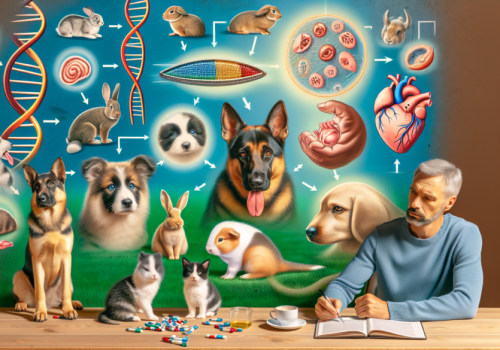
Genetic diversity refers to the variety of genes within a species, encompassing the differences in DNA sequences among individuals. In the realm of animal breeding, understanding genetic diversity is crucial as it directly influences the health, adaptability, and productivity of animal populations. A genetically diverse breeding stock is more likely to produce offspring that can thrive in varying environmental conditions and resist diseases, which is essential for sustainable breeding practices. The significance of genetic diversity in animal genetics cannot be overstated. When breeders select animals for specific traits, they often focus on a limited gene pool, which can lead to inbreeding.
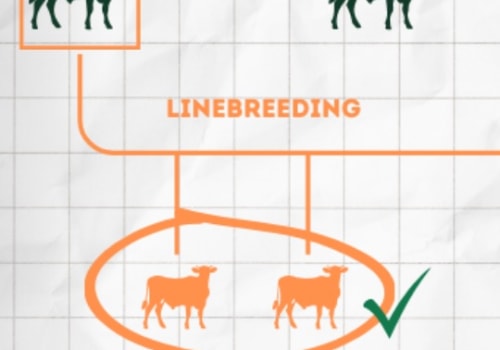
Inbreeding reduces genetic variation and can result in a host of problems, including increased susceptibility to diseases, reduced fertility, and lower overall vitality. Conversely, maintaining a broad genetic base allows for the introduction of beneficial traits and enhances the resilience of animal populations. Moreover, genetic diversity plays a pivotal role in the long-term success of animal breeding programs. It enables breeders to adapt to changing market demands and environmental challenges by providing a reservoir of traits that can be selected for future generations. This adaptability is particularly important in an era where climate change and emerging diseases pose significant threats to livestock and wildlife alike.
By prioritizing genetic diversity, breeders not only improve their current stock but also safeguard the future of their breeding endeavors.
The Importance of Genetic Diversity in Animal Breeding
Genetic diversity plays a crucial role in animal breeding, offering numerous benefits that enhance the overall health and productivity of animal populations. By maintaining a broad genetic base, breeders can ensure that their animals are not only resilient but also capable of adapting to changing environments and challenges.Improved Health
- Reduced Inbreeding Depression: A diverse gene pool minimizes the risks associated with inbreeding, which can lead to a range of health issues, including reduced fertility and increased susceptibility to diseases.
- Enhanced Disease Resistance: Animals with greater genetic variation are often better equipped to resist infections and adapt to pathogens, leading to healthier populations overall.
Adaptability
- Environmental Resilience: Genetic diversity allows for a wider range of traits that can help animals adapt to environmental changes, such as climate fluctuations or habitat alterations.
- Behavioral Flexibility: Diverse genetic backgrounds can contribute to varied behavioral traits, enabling animals to respond more effectively to new challenges or stressors.
Productivity
- Higher Yield: Breeding programs that incorporate genetic diversity often result in animals that are more productive, whether in terms of milk production, growth rates, or reproductive success.
- Quality Improvement: A diverse genetic foundation can lead to improvements in desirable traits such as meat quality, wool production, or egg-laying capabilities.
How Genetic Diversity Affects Breeding Outcomes
Genetic diversity plays a crucial role in determining the breeding outcomes of animal populations.When breeders select animals for reproduction, the genetic variation present within the breeding stock can significantly influence key factors such as fertility rates, disease resistance, and overall vigor.
Fertility Rates
Higher levels of genetic diversity often correlate with improved fertility rates. Inbreeding, which occurs when closely related individuals are bred, can lead to a reduction in reproductive success due to the expression of deleterious alleles. By maintaining a diverse gene pool, breeders can enhance the likelihood of successful mating and higher litter sizes.
Disease Resistance
Another critical aspect of animal breeding influenced by genetic diversity is disease resistance. A genetically diverse population is better equipped to withstand pathogens and environmental stressors.
This is because a wider array of genetic traits increases the chances that some individuals will possess immunity or resistance to specific diseases. For instance, certain breeds of livestock that have been selectively bred for their hardiness often exhibit greater resilience to common ailments.
Overall Vigor
The concept of hybrid vigor, or heterosis, is also essential in understanding how genetic diversity impacts breeding outcomes. When two genetically diverse individuals are crossed, their offspring often display enhanced growth rates, improved health, and greater adaptability compared to their parents. This phenomenon underscores the importance of incorporating diverse genetic backgrounds into breeding programs.In summary, the effects of genetic variation on breeding success factors cannot be overstated.
By prioritizing genetic diversity in breeding practices, breeders can achieve more favorable outcomes, leading to healthier and more resilient animal populations.
Challenges of Low Genetic Diversity in Animal Breeding
Low genetic diversity in animal breeding poses significant challenges that can adversely affect the health and viability of animal populations. One of the primary issues associated with low genetic diversity is inbreeding, which occurs when closely related individuals breed. This practice can lead to a phenomenon known as inbreeding depression, where the offspring exhibit reduced fitness, lower fertility rates, and increased susceptibility to diseases.Inbreeding depression is particularly concerning in domesticated species, where selective breeding often narrows the gene pool. As a result, animals may inherit harmful recessive traits that can compromise their overall health.For instance, certain dog breeds are prone to genetic disorders due to a limited gene pool, leading to conditions such as hip dysplasia and heart disease.Moreover, low genetic diversity can diminish a population's ability to adapt to environmental changes. Animals with a narrow genetic base may struggle to survive in the face of new diseases or shifting climates. This lack of resilience can lead to population declines or even extinction in severe cases.To mitigate these risks, it is crucial for breeders to implement strategies that promote genetic diversity. This can include:
- Outcrossing: Introducing unrelated individuals into a breeding program to enhance genetic variation.
- Genetic testing: Utilizing DNA analysis to identify and avoid breeding individuals that share harmful genetic traits.
- Conservation programs: Supporting initiatives aimed at preserving endangered species and maintaining their genetic diversity.
By addressing these issues proactively, breeders can help ensure healthier populations and contribute to the long-term sustainability of various species.
Strategies to Enhance Genetic Diversity in Breeding Programs
Enhancing genetic diversity in animal breeding programs is crucial for improving the health and resilience of animal populations. Here are several effective strategies that breeders can implement:- Utilize Genetic Testing: Implementing genetic testing can help identify genetic traits and variations within a population. This information allows breeders to make informed decisions about which animals to pair, ensuring a broader genetic base.
- Introduce New Breeding Stock: Bringing in animals from different geographical locations or unrelated breeding lines can significantly increase genetic variation. This practice not only introduces new traits but also helps reduce the risk of inbreeding.
- Implement Crossbreeding: Crossbreeding between different breeds can enhance genetic diversity and produce hybrid vigor, resulting in offspring that are healthier and more productive.
Careful selection of breeds that complement each other’s strengths is essential.
- Maintain Detailed Records: Keeping comprehensive breeding records helps track lineage and genetic traits over generations. This data is invaluable for making strategic breeding decisions that promote diversity.
- Participate in Conservation Programs: Engaging in conservation breeding programs can help preserve rare breeds and their unique genetic traits. These programs often focus on maintaining a diverse gene pool, which is beneficial for long-term sustainability.
Case Studies: Successful Implementation of Genetic Diversity in Animal Breeding
Genetic diversity plays a crucial role in the success of animal breeding programs, as evidenced by several notable case studies. These examples illustrate how incorporating genetic variation can lead to healthier, more resilient animal populations.Case Study 1: The American Bison Recovery
In the late 19th century, the American bison faced near extinction due to overhunting and habitat loss.A concerted effort to revive the population involved breeding programs that emphasized genetic diversity. By sourcing bison from various herds across North America, conservationists were able to enhance the genetic pool. This approach not only increased the population size but also improved the overall health and adaptability of the bison, allowing them to thrive in diverse environments.
Case Study 2: Poultry Breeding for Disease Resistance
A successful example in poultry breeding is the development of disease-resistant chicken breeds. Researchers at various agricultural universities have implemented breeding programs that focus on genetic diversity to combat avian diseases such as Marek's disease.By introducing genes from wild relatives and less common breeds into commercial lines, breeders have created chickens that exhibit greater resistance to diseases. This not only improves animal welfare but also enhances productivity and reduces reliance on antibiotics.
Case Study 3: The Conservation of Dog Breeds
The preservation of certain dog breeds has also benefited from a focus on genetic diversity. For instance, the American Kennel Club (AKC) has initiated programs aimed at increasing genetic variation among purebred dogs. By encouraging breeders to incorporate unrelated dogs into their breeding lines, they have successfully reduced the incidence of hereditary health issues such as hip dysplasia and heart conditions.This initiative demonstrates how successful breeding programs can prioritize health without compromising breed standards. These case studies highlight that embracing genetic diversity in animal breeding not only fosters healthier populations but also ensures long-term sustainability and resilience against environmental changes and diseases.
Future Trends in Animal Breeding and Genetic Diversity
As we look to the future of animal breeding, several emerging trends and technologies are set to reshape the landscape of genetic diversity. These advancements not only promise to enhance breeding practices but also aim to address the challenges posed by climate change, disease resistance, and the need for sustainable food production.Innovations in Genetic Technologies
One of the most significant trends is the rise of genome editing techniques, such as CRISPR-Cas9. This technology allows breeders to make precise modifications to an animal's DNA, enhancing desirable traits while minimizing unwanted genetic variations. By enabling targeted changes, genome editing can help maintain or even increase genetic diversity within breeding populations.Data-Driven Breeding Decisions
The integration of big data and artificial intelligence (AI) into animal breeding is another promising trend. These technologies facilitate the analysis of vast amounts of genetic information, allowing breeders to make informed decisions that promote genetic diversity.For instance, predictive analytics can identify which animals are best suited for breeding based on their genetic profiles, ensuring a more diverse gene pool.
Sustainable Practices and Conservation
Future trends also emphasize sustainability in animal breeding. Breeders are increasingly focusing on conservation programs that aim to preserve endangered species and maintain genetic diversity within livestock populations. By implementing sustainable practices, breeders can ensure that they are not only improving productivity but also protecting biodiversity.Collaborative Breeding Programs
Collaboration among breeders, researchers, and conservationists is becoming more common. These partnerships can lead to shared resources and knowledge, ultimately enhancing genetic diversity in breeding programs.By pooling expertise and data, stakeholders can develop more effective strategies for maintaining healthy populations.In conclusion, the future of animal breeding is poised for transformation through innovative technologies and collaborative efforts. By focusing on genetic diversity, breeders can not only improve animal health and productivity but also contribute to a more sustainable agricultural system.
FAQs About Genetic Diversity and Animal Breeding
Understanding the relationship between genetic diversity and animal breeding can be complex, leading to several common questions. Here are some frequently asked questions that shed light on this important topic:- What is genetic diversity?
Genetic diversity refers to the variety of genes within a species. It is crucial for the adaptability and survival of populations, allowing them to respond to environmental changes and resist diseases. - Why is genetic diversity important in animal breeding?
Genetic diversity is vital in animal breeding because it helps prevent inbreeding, which can lead to health issues and reduced fertility.A diverse gene pool enhances the likelihood of producing robust offspring with desirable traits.
- How does inbreeding affect animal health?
Inbreeding can result in a higher incidence of genetic disorders, reduced immune function, and overall lower vitality. Maintaining genetic diversity helps mitigate these risks. - Can genetic diversity improve livestock production?
Yes, higher genetic diversity can lead to improved traits such as growth rates, milk production, and disease resistance in livestock. This ultimately benefits farmers and consumers alike. - What role do breeders play in maintaining genetic diversity?
Breeders are responsible for selecting animals that contribute to a diverse gene pool. They often use techniques such as crossbreeding and genetic testing to ensure that they are promoting healthy genetic variation.