Animal breeding is a practice that has been integral to agriculture and animal husbandry for thousands of years. It involves the selective mating of animals to produce desired traits in offspring, such as improved productivity, disease resistance, and enhanced physical characteristics. Historically, this practice has played a crucial role in the domestication of species, allowing humans to cultivate animals that meet specific needs, from food production to companionship. As we delve into the evolution of animal breeding, it becomes evident that advancements in science and technology have significantly transformed traditional methods. The introduction of genetic principles in the 20th century marked a pivotal shift, enabling breeders to make more informed decisions based on heredity and genetics.
This scientific approach not only increased efficiency but also enhanced the overall quality of livestock and pets alike. Today, the importance of animal breeding extends beyond mere productivity; it encompasses ethical considerations and sustainability. With growing concerns about food security and environmental impact, modern breeding techniques aim to create animals that are not only high-yielding but also resilient to climate change and diseases. This ongoing evolution reflects a broader understanding of the interconnectedness between animal welfare, agricultural practices, and ecological balance. In this article, we will explore current trends and advancements in animal breeding, highlighting how these innovations are shaping the future of agriculture and animal husbandry. From genomic selection to biotechnological interventions, the landscape of animal breeding is rapidly changing, promising exciting possibilities for both producers and consumers.
Traditional Animal Breeding Techniques
Animal breeding has a rich history, with traditional techniques forming the foundation of modern practices.These methods have been utilized for centuries to enhance desirable traits in livestock and pets, ensuring better productivity, health, and adaptability.
Selective Breeding
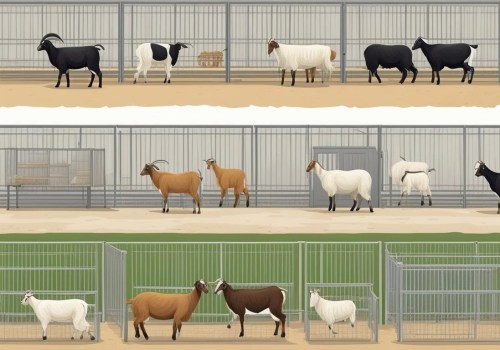
is one of the most common traditional methods. This technique involves choosing specific animals with desirable characteristics to reproduce, thereby passing on those traits to the next generation. For instance, farmers may select for traits such as higher milk production in dairy cows or faster growth rates in meat animals. The goal is to create a population that exhibits enhanced performance and resilience.Another traditional method is Crossbreeding , which involves mating animals from different breeds to produce offspring that inherit traits from both parents.
This technique can lead to hybrid vigor, where the resulting offspring exhibit improved health and productivity compared to their purebred counterparts. Crossbreeding is particularly popular in the poultry industry, where it can result in birds that grow faster and are more disease-resistant.
- Advantages of Traditional Breeding Techniques:
- Cost-Effective: Traditional methods often require less investment in technology compared to modern techniques.
- Established Practices: Many farmers are familiar with these methods, making them easier to implement.
- Natural Selection: These techniques often align with natural breeding behaviors, promoting healthier animal populations.
Genetic Engineering in Animal Breeding
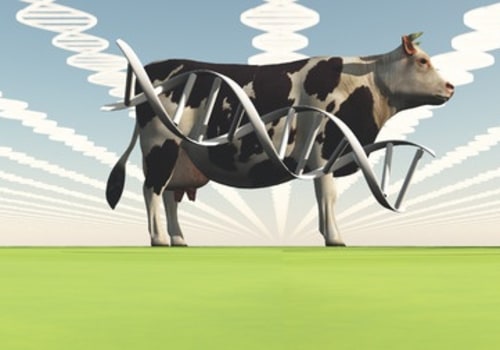
In recent years, genetic engineering has emerged as a groundbreaking approach in the field of animal breeding, particularly through the use of CRISPR technology. This innovative method allows scientists to make precise modifications to an organism's DNA, leading to significant advancements in breeding practices.CRISPR
, which stands for Clustered Regularly Interspaced Short Palindromic Repeats, enables researchers to target specific genes and edit them with remarkable accuracy.This capability is transforming traditional breeding methods by allowing for the introduction of desirable traits without the lengthy process of selective breeding.
- Enhanced Disease Resistance: One of the most promising applications of CRISPR in animal breeding is the development of disease-resistant livestock. By editing genes associated with susceptibility to diseases, breeders can create animals that are less likely to contract illnesses, thereby improving overall herd health.
- Improved Growth Rates: Genetic engineering can also lead to faster growth rates in animals. By modifying genes that regulate growth, breeders can produce livestock that reach market weight more quickly, enhancing productivity and efficiency in the agricultural sector.
- Better Nutritional Profiles: Another significant advancement is the ability to enhance the nutritional content of animal products. For instance, gene editing can be used to increase the levels of essential fatty acids or vitamins in meat and dairy products, providing consumers with healthier options.
While proponents argue that these advancements can lead to more sustainable farming practices and improved animal welfare, critics raise concerns about potential long-term effects on biodiversity and animal health.As research continues and regulations evolve, it is clear that genetic engineering will play a pivotal role in shaping the future of animal breeding. The ability to make targeted changes at the genetic level opens up new possibilities for enhancing livestock production and addressing global food security challenges.
Biotechnology and Its Impact on Animal Breeding
In recent years, biotechnology has revolutionized the field of animal breeding, introducing innovative techniques that significantly enhance breeding efficiency and genetic diversity. Among these advancements, artificial insemination (AI) stands out as a pivotal method that allows breeders to introduce superior genetics into their herds without the need for physical mating.Artificial insemination
enables the use of semen from genetically elite males, which can be collected, processed, and stored for extended periods. This not only increases the genetic pool available to breeders but also reduces the risk of disease transmission associated with natural mating.Furthermore, AI allows for the synchronization of estrus cycles in females, optimizing the timing of insemination and improving conception rates.Another significant advancement is embryo transfer, which involves the collection of fertilized eggs from a donor female and their implantation into recipient females. This technique allows for the rapid multiplication of desirable genetics, as a single donor can produce multiple offspring in a single breeding season. The use of embryo transfer is particularly beneficial in species where natural reproduction rates are low or where specific genetic traits are highly sought after.The integration of reproductive technologies such as in vitro fertilization (IVF) further enhances breeding programs. IVF allows for the fertilization of eggs outside the body, enabling breeders to create embryos from a wider selection of genetic material.
This method is especially useful for endangered species or those with limited breeding opportunities.Moreover, advancements in genetic testing and molecular techniques have made it possible to identify desirable traits at an early stage. By utilizing genomic selection, breeders can make informed decisions based on genetic markers associated with productivity, disease resistance, and overall health.In conclusion, the impact of biotechnology on animal breeding is profound, offering tools that not only improve efficiency but also promote genetic diversity. As these technologies continue to evolve, they hold the promise of transforming animal husbandry practices and enhancing food security globally.
Sustainable Practices in Animal Breeding
As the global population continues to grow, the demand for sustainable practices in animal breeding has never been more critical. Modern advancements in breeding techniques are increasingly focused on minimizing environmental impact while ensuring the health and productivity of livestock.Sustainable animal breeding
emphasizes the importance of genetic diversity and resilience.
By selecting animals that are better adapted to local environments, breeders can enhance the overall sustainability of their operations. This approach not only improves animal welfare but also reduces the need for chemical inputs and other resources that can harm the environment.One significant trend in sustainable animal breeding is the use of genomic selection. This technique allows breeders to identify desirable traits at a molecular level, leading to more efficient breeding programs. For instance, animals can be selected for traits such as disease resistance or feed efficiency, which ultimately contribute to lower greenhouse gas emissions and reduced resource consumption.
- Ethical breeding practices are also gaining traction, with a focus on animal welfare and humane treatment.
Breeders are increasingly adopting practices that prioritize the health and well-being of animals throughout their lives.
- Moreover, integrating precision agriculture technologies into breeding programs allows for better monitoring of animal health and environmental conditions, leading to more informed decision-making.
- The use of alternative feeds, such as insect protein or seaweed, is another innovative approach that can significantly reduce the environmental footprint of animal production.
Current Trends in Animal Breeding Research
In recent years, the field of animal breeding has witnessed significant advancements driven by cutting-edge research in animal genetics. These trends are not only enhancing the efficiency of breeding programs but also improving the overall health and productivity of livestock and companion animals.Genomic Selection
- One of the most notable trends is the adoption of genomic selection, which utilizes DNA information to predict the breeding value of animals. This method allows breeders to make more informed decisions, significantly reducing the time required to achieve desired traits.
- By analyzing genetic markers associated with specific traits, breeders can select animals that are more likely to pass on favorable characteristics, such as disease resistance or improved growth rates.
CRISPR Technology
- The emergence of CRISPR technology has revolutionized genetic engineering in animal breeding.
This precise gene-editing tool enables scientists to modify specific genes, potentially eradicating hereditary diseases and enhancing desirable traits.
- For instance, researchers are exploring CRISPR to create livestock that are more resilient to environmental stressors, thereby improving their welfare and productivity.
Sustainable Breeding Practices
- Another trend is the focus on sustainable breeding practices. As global demand for animal products rises, there is an increasing emphasis on breeding animals that require fewer resources while still delivering high yields.
- This includes selecting for traits that improve feed efficiency and reduce greenhouse gas emissions, aligning with broader environmental goals.
Challenges Facing Modern Animal Breeding Techniques
Modern animal breeding techniques have revolutionized the way we enhance livestock and companion animals, yet they are not without their challenges. One of the most pressing issues is the ethical concerns surrounding genetic engineering.As advancements in biotechnology allow for more precise modifications, questions arise about the long-term impacts on animal welfare and biodiversity. Critics argue that manipulating genes can lead to unforeseen health issues in animals, raising moral dilemmas about our right to alter life forms for human benefit.Moreover, public perception plays a significant role in the acceptance of these technologies. Many consumers are wary of genetically modified organisms (GMOs), leading to a demand for transparency in breeding practices. This skepticism can hinder the adoption of innovative techniques that could improve animal health and productivity.
To address these concerns, breeders must engage with the public, providing education on the benefits and safety of modern breeding methods.Another challenge is navigating the complex landscape of regulatory issues. Different countries have varying regulations regarding animal breeding and genetic modification, which can complicate international trade and research collaborations. In some regions, stringent regulations may stifle innovation, while in others, a lack of oversight could lead to unethical practices. Striking a balance between ensuring animal welfare and fostering scientific advancement is crucial.
- Ethical Concerns: The moral implications of genetic manipulation.
- Public Perception: Consumer attitudes towards GMOs and transparency.
- Regulatory Issues: Variability in laws affecting breeding practices globally.
Engaging with ethical considerations, public sentiment, and regulatory frameworks will be key to advancing the field responsibly.
Future Prospects of Animal Breeding Techniques
The future of animal breeding techniques is poised for significant transformation, driven by advancements in technology and a growing understanding of genetics. As the global demand for food continues to rise, innovative approaches will be essential to enhance productivity and sustainability in agriculture.One of the most promising areas of development is the integration of genomic selection. This technique allows breeders to select animals based on their genetic potential rather than just phenotypic traits. By utilizing high-throughput sequencing technologies, breeders can identify desirable traits more accurately and efficiently, leading to faster improvements in livestock.Innovations in Animal Genetics
Another exciting advancement is the use of CRISPR technology, which enables precise editing of genes.This method holds the potential to eliminate genetic diseases in animals and enhance traits such as growth rate, disease resistance, and feed efficiency. As regulatory frameworks evolve, CRISPR could revolutionize the way we approach animal breeding, making it possible to create healthier and more productive livestock.Furthermore, the application of artificial intelligence (AI) in breeding programs is gaining traction. AI can analyze vast amounts of data from various sources, including genetic information, environmental factors, and historical performance records. This capability allows for more informed decision-making and can lead to optimized breeding strategies that maximize both yield and animal welfare.
- Sustainability: Future breeding techniques will likely focus on creating animals that require fewer resources while producing more output, aligning with global sustainability goals.
- Diversity: There will be an increased emphasis on maintaining genetic diversity within breeds to ensure resilience against diseases and changing environmental conditions.
- Consumer Preferences: As consumers become more conscious of animal welfare and environmental impact, breeding programs may adapt to produce animals that meet these ethical standards.
As these advancements unfold, they will not only reshape agricultural practices but also play a crucial role in addressing global food security challenges.
Conclusion: The Evolution of Animal Breeding Techniques
In conclusion, the landscape of animal breeding is undergoing a significant transformation, driven by advancements in technology and a deeper understanding of genetics. As we have explored throughout this article, the integration of genomic selection, precision breeding, and biotechnology has revolutionized traditional practices, allowing breeders to make more informed decisions that enhance the health, productivity, and welfare of animals.The shift towards sustainable breeding practices is also noteworthy. With growing concerns about environmental impact and animal welfare, breeders are increasingly adopting methods that prioritize genetic diversity and resilience. This not only helps in producing animals that can thrive in changing climates but also supports the overall ecosystem.Moreover, the rise of data analytics in animal breeding cannot be overlooked.By leveraging big data, breeders can analyze vast amounts of information to identify desirable traits and optimize breeding programs. This data-driven approach is paving the way for more efficient and effective breeding strategies.As we look to the future, it is clear that understanding these current trends and advancements in animal breeding is essential for anyone involved in the industry. Whether you are a farmer, researcher, or policy-maker, staying informed about these developments will not only enhance your practices but also contribute to the broader goals of food security and sustainable agriculture.In summary, the evolution of animal breeding techniques reflects a commitment to innovation and responsibility. By embracing these advancements, we can ensure that animal breeding continues to meet the demands of a growing population while maintaining ethical standards and environmental stewardship.