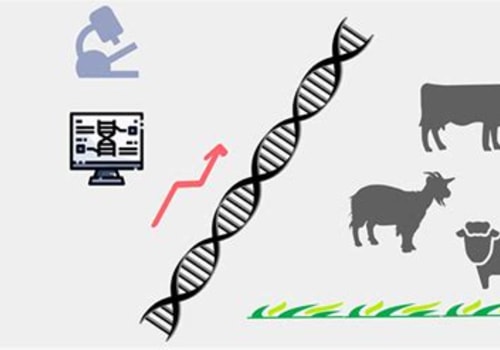
Animal breeding is a time-honored practice that has evolved significantly over the years, driven by the desire to enhance desirable traits in various species. From livestock to companion animals, animal breeding plays a crucial role in agriculture and pet ownership alike. The primary goal of this practice is to produce offspring that exhibit specific characteristics, such as improved growth rates, disease resistance, or enhanced physical attributes. However, as our understanding of genetics has advanced, so too has the methodology behind breeding programs. Enter genetic testing, a revolutionary tool that has transformed the landscape of animal breeding.
By analyzing an animal's DNA, breeders can gain insights into its genetic makeup, identifying traits that may not be immediately visible. This scientific approach allows for more informed decisions when selecting breeding pairs, ultimately leading to healthier and more robust offspring. The integration of genetic testing into breeding programs not only enhances the efficiency of producing desired traits but also helps mitigate potential health issues that can arise from inbreeding. As we delve deeper into the relationship between genetic testing and animal breeding, it becomes clear that this synergy is not just about improving aesthetics or productivity; it is about fostering a sustainable future for animal populations. By leveraging genetic insights, breeders can make choices that promote genetic diversity and overall well-being in their animals.
This introductory exploration sets the stage for a comprehensive understanding of how genetic testing is reshaping the future of animal breeding.
The Basics of Animal Breeding
Animal breeding is a complex practice that involves the selective mating of animals to produce desired traits in offspring. Understanding the basics of this field is crucial for anyone interested in improving livestock, pets, or wildlife populations.There are several types of animal breeding, each with its own objectives and methodologies:- Purebred Breeding: This method involves mating animals of the same breed to maintain or enhance specific traits. It is commonly used in livestock and show animals.
- Crossbreeding: This technique combines different breeds to produce hybrids that may exhibit superior qualities, such as increased vigor or disease resistance.
- Inbreeding: While often avoided due to potential health risks, inbreeding can be used strategically to fix desirable traits within a breed.
- Outcrossing: This method introduces unrelated genetic material into a breeding line to reduce the risk of genetic disorders and enhance genetic diversity.
This includes knowledge about genetics, animal health, and environmental factors that can influence breeding outcomes. Proper management practices can significantly impact the success of any breeding program.Overall, mastering the fundamentals of animal breeding lays the groundwork for more advanced techniques and innovations in the field, including the integration of genetic testing to further refine breeding strategies.
What is Genetic Testing?
Genetic testing
refers to a variety of techniques used to analyze an individual's DNA, RNA, or proteins to identify genetic variations that may influence health, behavior, and physical traits. In the context of animal breeding, genetic testing plays a crucial role in enhancing the quality and health of breeding stock.
Types of Genetic Tests
- Parentage Testing: This type verifies the lineage of an animal, ensuring that breeding decisions are based on accurate ancestry.
- Health Screening: Tests that identify genetic disorders or predispositions to certain diseases, allowing breeders to make informed decisions that promote animal welfare.
- Trait Testing: These tests assess specific traits such as coat color, size, or temperament, enabling breeders to select for desirable characteristics.
- Genomic Selection: A more advanced method that evaluates the entire genome to predict an animal's performance and breeding value.
- Reduce Genetic Disorders: Identifying carriers of genetic diseases helps prevent the propagation of these conditions in future generations.
- Enhance Breeding Programs: Data from genetic tests allows for more precise selection, improving the overall quality and performance of the breeding stock.
- Increase Genetic Diversity: Understanding genetic backgrounds can help breeders avoid inbreeding and maintain a healthy gene pool.
As technology advances, the role of genetic testing will likely expand, further revolutionizing the field of animal husbandry.
The Role of Genetic Testing in Animal Breeding
Genetic testing plays a pivotal role in animal breeding, revolutionizing traditional practices and enhancing the overall quality of livestock and companion animals. By analyzing an animal's DNA, breeders can make informed decisions that significantly impact the health, productivity, and genetic diversity of their breeding programs.Benefits of Genetic Testing
- Improved Health: Genetic testing helps identify carriers of hereditary diseases, allowing breeders to avoid mating animals that may pass on genetic disorders to their offspring.
- Enhanced Traits: Breeders can select for desirable traits such as growth rate, milk production, or temperament, leading to improved performance in various breeds.
- Increased Genetic Diversity: By understanding the genetic makeup of their animals, breeders can make strategic choices that promote genetic diversity, reducing the risk of inbreeding.
Applications of Genetic Testing in Breeding
The applications of genetic testing in animal breeding are vast and varied:
- Parentage Verification: Genetic tests can confirm lineage, ensuring that breeding records are accurate and that the best genetic combinations are utilized.
- Genomic Selection: This advanced method uses genomic information to predict an animal's breeding value more accurately than traditional methods, leading to faster genetic progress.
- Marker-Assisted Selection: Breeders can use specific genetic markers associated with desirable traits to select animals more efficiently, streamlining the breeding process.
Benefits of Genetic Testing in Animal Breeding
Genetic testing has revolutionized animal breeding by providing breeders with critical insights that enhance the overall quality and productivity of their livestock. The benefits of genetic testing are numerous, leading to improved health, desirable traits, and increased efficiency in breeding programs.Improved Health
- Genetic testing allows breeders to identify carriers of hereditary diseases, enabling them to make informed decisions that reduce the incidence of genetic disorders in future generations.
- This proactive approach not only enhances the health of individual animals but also contributes to the overall vitality of the breeding population.
Better Traits
- Through genetic analysis, breeders can select for specific traits such as growth rate, feed efficiency, and reproductive performance.
- This targeted selection leads to animals that not only meet market demands but also exhibit superior characteristics that can enhance profitability.
Enhanced Productivity
- By utilizing genetic testing, breeders can optimize mating strategies, ensuring that the best genetic combinations are achieved.
- This results in offspring that are more productive and better suited to their environments, ultimately leading to higher yields in meat, milk, or wool production.
By leveraging these advancements, breeders can ensure a sustainable future for their operations while meeting the growing demands of consumers.
Challenges and Limitations of Genetic Testing in Animal Breeding
While genetic testing offers significant advantages in animal breeding, it is not without its challenges and limitations. Understanding these issues is crucial for breeders who wish to make informed decisions.Challenges of Genetic Testing
One of the primary challenges is the cost associated with genetic testing. High-quality tests can be expensive, making them less accessible for smaller breeders or those operating on tight budgets. Additionally, the interpretation of genetic data requires specialized knowledge, which may not be readily available to all breeders.Limitations in Animal Breeding
Another limitation is the incomplete understanding of the genetic basis of certain traits.While some traits are well-studied, others may involve complex interactions between multiple genes and environmental factors, making predictions less reliable. Furthermore, genetic testing often focuses on specific diseases or traits, potentially overlooking other important characteristics that contribute to an animal's overall health and performance.
Ethical Concerns in Genetic Testing
The ethical implications of genetic testing in animal breeding also warrant consideration. There are concerns about genetic diversity; excessive reliance on genetic testing could lead to a narrowing of the gene pool, increasing the risk of inherited disorders. Additionally, the potential for misuse of genetic information raises questions about animal welfare and the responsibilities of breeders. In conclusion, while genetic testing can enhance breeding practices by providing valuable insights into an animal's genetic makeup, it is essential to navigate the associated challenges and limitations carefully.A balanced approach that considers both the benefits and ethical implications will ultimately lead to more responsible and effective animal breeding.
Case Studies: Successful Implementation of Genetic Testing in Animal Breeding
Genetic testing has revolutionized animal breeding by providing breeders with the tools to make informed decisions that enhance the health, productivity, and genetic diversity of their livestock. Here are some notable case studies that illustrate the successful implementation of genetic testing in various animal breeding programs.Case Study 1: Dairy Cattle Improvement
A prominent dairy farm in Wisconsin adopted genetic testing to improve milk production and herd health. By utilizing genomic selection, the farm was able to identify bulls with superior genetic traits for milk yield and disease resistance. Within three years, the farm reported a 15% increase in milk production and a significant reduction in mastitis cases, leading to lower veterinary costs and improved animal welfare.Case Study 2: Canine Breeding for Health
A well-known dog breeding organization implemented genetic testing to combat hereditary diseases in popular breeds such as Golden Retrievers and Bulldogs.By screening for specific genetic markers associated with conditions like hip dysplasia and certain cancers, breeders could make more informed pairing decisions. This initiative resulted in a 30% decrease in reported health issues among puppies over five years, showcasing the potential of genetic testing to enhance breed health.
Case Study 3: Poultry Production Optimization
A poultry producer in Brazil utilized genetic testing to optimize their breeding program for broiler chickens. By analyzing the genetic profiles of their flock, they were able to select for traits such as growth rate and feed efficiency. The result was a 20% improvement in feed conversion ratios, which not only increased profitability but also reduced the environmental impact of their operations.These case studies highlight the transformative impact of genetic testing on animal breeding.By leveraging advanced genomic technologies, breeders can enhance productivity, improve animal health, and ensure sustainable practices within their operations. As more success stories emerge, it is clear that genetic testing will continue to play a pivotal role in shaping the future of animal breeding.
Future Trends in Genetic Testing and Animal Breeding
As we look to the future, the role of genetic testing in animal breeding is poised for significant transformation. Emerging technologies and methodologies are set to revolutionize how breeders select and enhance desirable traits in their animals.Advancements in Genomic Technologies
One of the most promising trends is the advancement of genomic technologies, such as CRISPR and other gene-editing tools. These innovations allow for precise modifications at the genetic level, enabling breeders to eliminate genetic disorders and enhance traits like growth rate, disease resistance, and reproductive efficiency.Integration of Big Data and AI
The integration of big data analytics and artificial intelligence (AI) into genetic testing is another trend that will shape the future of animal breeding.By analyzing vast datasets from genetic tests, breeders can make more informed decisions, predicting outcomes with greater accuracy. This data-driven approach not only improves breeding efficiency but also helps in identifying optimal breeding pairs based on genetic compatibility.
Sustainability and Ethical Considerations
As the demand for sustainable practices grows, genetic testing will play a crucial role in promoting sustainable animal breeding. Breeders will increasingly focus on traits that enhance animal welfare and reduce environmental impact. This shift towards ethical breeding practices will be supported by advancements in genetic testing that prioritize health and longevity over mere productivity.Global Collaboration and Knowledge Sharing
The future of genetic testing in animal breeding will also see increased global collaboration among researchers, breeders, and institutions.Sharing knowledge and resources across borders will accelerate the development of best practices and innovative solutions tailored to specific regional challenges.In conclusion, the future trends in genetic testing are set to redefine animal breeding, making it more efficient, ethical, and sustainable. As these advancements unfold, they promise to enhance not only the quality of livestock but also the overall health of animal populations worldwide.
FAQs about Genetic Testing and Animal Breeding
Genetic testing has become a pivotal aspect of animal breeding, yet many people still have questions and misconceptions about its application. Here are some frequently asked questions that can help clarify its role:- What is genetic testing in animal breeding?
Genetic testing involves analyzing an animal's DNA to identify specific traits, genetic disorders, and lineage. This information helps breeders make informed decisions to enhance desirable traits and reduce the risk of hereditary diseases. - How does genetic testing benefit animal breeding?
By utilizing genetic testing, breeders can select animals with the best genetic profiles for reproduction.This leads to healthier offspring, improved performance traits, and a more robust gene pool.
- Are there any misconceptions about genetic testing?
One common misconception is that genetic testing guarantees perfect results. While it significantly reduces risks, it cannot eliminate all potential issues. Additionally, some believe that genetic testing is only for purebred animals; however, it can be beneficial for mixed breeds as well. - Is genetic testing expensive?
The cost of genetic testing can vary widely depending on the type of tests performed and the species involved. However, many breeders find that the long-term benefits outweigh the initial investment. - Can genetic testing predict behavior in animals?
While some tests can provide insights into certain behavioral traits, predicting behavior is complex and influenced by both genetics and environment.Genetic testing should be one of many tools used in understanding an animal's potential.
Conclusion: The Future of Animal Breeding with Genetic Testing
As we look towards the future of animal breeding, the integration of genetic testing stands out as a transformative force. Throughout this article, we have explored how genetic testing not only enhances the efficiency of breeding programs but also significantly improves the health and welfare of animals.One of the most compelling advantages of genetic testing is its ability to identify hereditary diseases and traits before they manifest. This proactive approach allows breeders to make informed decisions, ultimately leading to healthier populations. By selecting for desirable traits while minimizing genetic disorders, breeders can ensure that future generations are not only robust but also better suited to their environments.Moreover, the role of genetic testing extends beyond individual health.It plays a crucial part in promoting biodiversity within breeds. By understanding the genetic makeup of animals, breeders can avoid inbreeding and maintain a diverse gene pool, which is essential for the long-term sustainability of any breed.In addition to health and diversity, genetic testing facilitates precision breeding. This method allows breeders to tailor their programs to meet specific goals, whether that be enhancing productivity in livestock or improving temperament in companion animals. The ability to pinpoint exact genetic markers means that breeders can achieve their objectives more quickly and effectively than ever before.As technology continues to advance, we can expect even more sophisticated tools and techniques in the realm of genetic testing.
The future holds promise for innovations such as gene editing, which could revolutionize how we approach animal breeding. However, with these advancements come ethical considerations that must be addressed to ensure responsible use.In conclusion, the role of genetic testing in animal breeding is pivotal for shaping a healthier, more diverse, and efficient future. As breeders embrace these technologies, they will not only enhance their practices but also contribute positively to animal welfare and biodiversity.