Animal breeding has long been a cornerstone of agriculture and livestock management, enabling farmers and breeders to enhance desirable traits in animals. This practice not only improves productivity but also contributes to the overall health and sustainability of animal populations. As we delve into the intricate world of animal breeding, it becomes essential to understand the role of cloning as a revolutionary tool that complements traditional breeding methods. Cloning in animal breeding refers to the process of creating genetically identical copies of animals, which can significantly impact the efficiency and outcomes of breeding programs. By utilizing cloning techniques, breeders can replicate animals with superior traits, ensuring that these characteristics are preserved and passed on to future generations.
This method offers a unique solution to challenges such as genetic diversity and the preservation of endangered species, making it a vital component in modern animal husbandry. The importance of cloning extends beyond mere replication; it opens up new avenues for research and development in genetics. As we explore the intersection of cloning and animal breeding, we will uncover how these practices not only enhance agricultural productivity but also contribute to ethical considerations in animal welfare and biodiversity conservation. Understanding this relationship is crucial for anyone interested in the future of animal agriculture and the innovative techniques shaping its landscape.
Understanding Animal Breeding
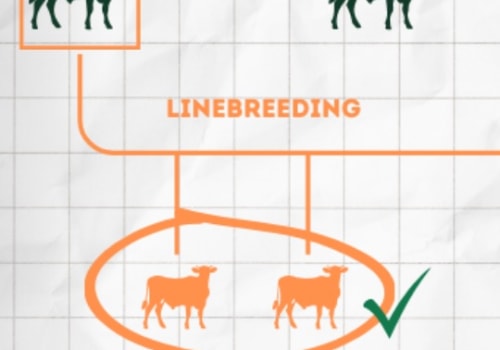
Animal breeding is the practice of mating selected animals with the intention of producing specific qualities and characteristics in the offspring. This process is essential in both agriculture and conservation, as it allows for the enhancement of desirable traits such as growth rate, disease resistance, and reproductive performance.Types of Animal Breeding
- Selective Breeding: This method involves choosing parent animals with particular traits to produce offspring that inherit those traits.
For example, farmers may select cows that produce high milk yields to breed, ensuring that future generations maintain or improve this quality.
- Crossbreeding: This technique combines two different breeds to create a hybrid that possesses the strengths of both. Crossbreeding can lead to increased vigor and improved health in the offspring, making it a popular choice among livestock producers.
Benefits of Animal Breeding
The advantages of animal breeding extend beyond mere productivity. Here are some key benefits:- Improved Genetic Diversity: By carefully selecting breeding pairs, breeders can enhance genetic diversity within a population, which is crucial for resilience against diseases and environmental changes.
- Enhanced Productivity: Breeding programs can significantly increase the yield of meat, milk, or eggs, contributing to food security and economic stability.
- Conservation Efforts: In endangered species programs, animal breeding plays a vital role in maintaining genetic diversity and increasing population numbers, helping to prevent extinction.
The Science Behind Cloning
Cloning is a fascinating scientific process that allows for the creation of genetically identical organisms.At its core, cloning involves replicating the DNA of an organism to produce a new individual that shares the same genetic makeup. This process can significantly impact animal breeding by enabling breeders to reproduce desirable traits with precision.
What is Cloning?
Cloning can be defined as the process of creating a copy of an organism or cell. There are two primary types of cloning relevant to animal breeding: reproductive cloning and therapeutic cloning. Reproductive cloning aims to create a new organism, while therapeutic cloning focuses on generating cells for medical purposes.Types of Cloning
- Somatic Cell Nuclear Transfer (SCNT): This method involves transferring the nucleus of a somatic cell into an egg cell that has had its nucleus removed.
The egg cell then develops into an embryo, which can be implanted into a surrogate mother.
- Embryo Splitting: Similar to natural twinning, this technique involves splitting an early-stage embryo into two or more separate embryos, each capable of developing into a full organism.
The Cloning Process
The cloning process begins with the selection of a donor organism from which genetic material will be taken. In SCNT, the nucleus containing the DNA is extracted from a somatic cell and inserted into an enucleated egg cell. This egg cell is then stimulated to divide and develop into an embryo. Once the embryo reaches a suitable stage, it can be implanted into a surrogate mother, where it will grow until birth.This scientific advancement in animal breeding allows breeders to replicate animals with exceptional traits, such as disease resistance or superior growth rates.By understanding the science behind cloning, breeders can make informed decisions that enhance their breeding programs and contribute to more efficient livestock production.
Cloning Techniques in Animal Breeding
Cloning techniques in animal breeding have revolutionized the way breeders approach genetic improvement and conservation. Among the most notable methods is somatic cell nuclear transfer (SCNT), which involves transferring the nucleus of a somatic cell into an enucleated egg cell. This technique gained fame with the cloning of Dolly the sheep in 1996, marking a significant milestone in biotechnology.Another prominent technique is embryo splitting, where a fertilized embryo is divided into two or more embryos, each capable of developing into a genetically identical organism. This method has been successfully used in cattle breeding to enhance desirable traits such as milk production and disease resistance.Examples of Cloning in Animals
- Dolly the Sheep: The first mammal cloned from an adult somatic cell, demonstrating that specialized cells could revert to a pluripotent state.
- CC the Cat: The first cloned cat, showcasing that cloning can extend beyond livestock to companion animals.
- Cloned Cattle: Numerous dairy and beef cattle have been cloned to replicate superior genetics, improving herd quality and productivity.
Success Stories of Cloning
The success of cloning techniques in animal breeding is evident in various case studies.For instance, a project aimed at preserving endangered species has successfully cloned several individuals of the Przewalski's horse, bringing this species back from the brink of extinction. Additionally, cloning has been utilized to produce genetically identical animals for research purposes, allowing scientists to study specific traits without genetic variability.Overall, these cloning techniques not only enhance breeding programs but also contribute significantly to conservation efforts, ensuring that valuable genetic traits are preserved for future generations.
Benefits of Cloning in Animal Breeding
Cloning has emerged as a revolutionary technique in animal breeding, offering numerous benefits that can significantly enhance agricultural practices and conservation efforts. One of the primary advantages of cloning is the ability to increase genetic diversity. By creating genetically identical copies of superior animals, breeders can ensure that desirable traits are preserved and propagated.This is particularly important in livestock production, where traits such as growth rate, milk production, and disease resistance are highly sought after.Moreover, cloning can play a crucial role in enhancing disease resistance. By selecting animals that exhibit strong immune responses or resilience to specific diseases, breeders can clone these individuals to produce offspring that are more likely to thrive in challenging environments. This not only improves the health of the herd but also reduces the reliance on antibiotics and other treatments, promoting a more sustainable approach to animal husbandry.Another significant benefit of cloning is its potential for preserving endangered species. As habitats continue to be threatened by human activity and climate change, cloning offers a viable solution for maintaining genetic diversity within dwindling populations.
By cloning individuals from endangered species, conservationists can help bolster population numbers and maintain genetic health, which is essential for the long-term survival of these species.In addition to these benefits, cloning can also streamline breeding programs by allowing for more precise selection of traits. Breeders can focus on specific characteristics that are advantageous for their breeding goals, leading to faster improvements in livestock quality and productivity.In summary, the advantages of cloning in animal breeding are multifaceted, encompassing increased genetic diversity, enhanced disease resistance, and the preservation of endangered species. As technology continues to advance, the integration of cloning into breeding practices holds great promise for both agriculture and conservation.
Ethical Considerations in Cloning and Animal Breeding
The integration of cloning into animal breeding raises significant ethical considerations that warrant careful examination. As advancements in biotechnology enable the cloning of animals, various concerns emerge regarding the implications for animal welfare, biodiversity, and the natural order.Animal Welfare Concerns
- One of the primary ethical issues is the potential for suffering among cloned animals.
Cloning processes can lead to a higher incidence of health problems, including genetic abnormalities and shorter lifespans.
- The cloning process often involves invasive procedures that can cause pain and distress to the animals involved, raising questions about their treatment and rights.
Biodiversity and Genetic Diversity
- Cloning may contribute to a reduction in genetic diversity within animal populations. This lack of diversity can make species more susceptible to diseases and environmental changes, ultimately threatening their survival.
- By favoring certain traits through cloning, breeders may inadvertently create a homogenous gene pool, which could have long-term consequences for the resilience of animal species.
Public Perception and Ethical Debates
The public's perception of cloning in animal breeding is often mixed. Many people express discomfort with the idea of creating genetically identical animals, viewing it as an unnatural manipulation of life. This sentiment is echoed in various debates within the scientific community, where some argue that cloning could lead to unforeseen consequences that outweigh its benefits.Furthermore, ethical frameworks such as utilitarianism and animal rights perspectives provide different lenses through which to evaluate cloning practices.
While some may argue that cloning can enhance agricultural efficiency and food production, others contend that it undermines the intrinsic value of individual animals.In conclusion, as cloning continues to evolve within the realm of animal breeding, it is crucial for stakeholders—including scientists, ethicists, and the public—to engage in ongoing discussions about its ethical implications. Balancing innovation with compassion will be key to navigating this complex landscape.
Future Trends in Cloning and Animal Breeding
As we look to the future, the intersection of cloning and animal breeding is poised to revolutionize the agricultural and veterinary landscapes. Emerging technologies are paving the way for more efficient and ethical practices in breeding, with cloning at the forefront of these advancements.Advancements in cloning technology
are expected to enhance genetic diversity and improve livestock quality. Techniques such as somatic cell nuclear transfer (SCNT) are becoming more refined, allowing for the cloning of animals with desirable traits, such as disease resistance or superior milk production.This precision in cloning can lead to a more sustainable approach to animal husbandry, reducing the need for extensive breeding programs that often take years to yield results.Moreover, the integration of genomic technologies with cloning practices is likely to become a significant trend. By utilizing genomic selection, breeders can identify and replicate animals that possess specific genetic markers associated with favorable traits. This synergy between cloning and genomics not only accelerates the breeding process but also enhances the overall health and productivity of livestock.
- Ethical considerations: As cloning becomes more prevalent, ethical discussions surrounding animal welfare will intensify. The industry must navigate these concerns while promoting transparency and responsible practices.
- Regulatory frameworks: Future trends will also be shaped by evolving regulations governing cloning technologies.
Policymakers will need to establish guidelines that balance innovation with safety and ethical standards.
- Consumer acceptance: The success of cloned animals in animal breeding will depend on consumer perceptions. Education about the benefits of cloning, such as improved food security and animal health, will be crucial in gaining public trust.
FAQs About Cloning and Animal Breeding
As cloning technology continues to evolve, many people have questions about its implications for animal breeding. Here are some frequently asked questions that shed light on this complex topic.What is cloning in the context of animal breeding?
Cloning in animal breeding refers to the process of creating a genetically identical copy of an animal.This can be achieved through techniques such as somatic cell nuclear transfer (SCNT), where the nucleus of a somatic cell is transferred into an egg cell that has had its nucleus removed. The resulting embryo can then be implanted into a surrogate mother.
How does cloning benefit animal breeding?
- Genetic consistency: Cloning allows breeders to replicate desirable traits consistently across generations.
- Preservation of endangered species: Cloning can help in the conservation efforts of endangered animals by increasing their population.
- Improved livestock: Farmers can clone high-yielding livestock to enhance productivity and efficiency in agriculture.
Are there any misconceptions about cloning and animal breeding?
Yes, several misconceptions exist:- Cloning creates perfect animals: While cloning can replicate specific traits, it does not guarantee perfection or immunity to diseases.
- Cloned animals are identical in behavior: Cloned animals may share genetic traits but can exhibit different behaviors due to environmental factors.
- Cloning is the same as genetic modification: Cloning involves creating a copy of an organism, while genetic modification alters specific genes within an organism.
Conclusion: The Role of Cloning in Shaping Animal Breeding Practices
In conclusion, the integration of cloning into animal breeding practices represents a significant advancement in the field of genetics and agriculture. Throughout this article, we have explored how cloning not only enhances the efficiency of breeding programs but also addresses various challenges faced by traditional methods.One of the most notable benefits of cloning is its ability to produce genetically identical animals, which can help in preserving desirable traits. This is particularly important in livestock production, where farmers aim to enhance productivity and disease resistance.By utilizing cloning, breeders can ensure that these traits are consistently passed on to future generations.
Implications for Biodiversity
While cloning offers numerous advantages, it also raises important questions regarding biodiversity. The reliance on a limited genetic pool can lead to vulnerabilities within animal populations. Therefore, it is crucial for breeders to balance the use of cloning with traditional breeding techniques to maintain genetic diversity.Ethical Considerations
The ethical implications of cloning in animal breeding cannot be overlooked. Concerns about animal welfare and the potential for unforeseen consequences must be addressed as this technology continues to evolve.Engaging in open discussions about these issues will be essential for the responsible application of cloning in agriculture.Ultimately, understanding the role of cloning in shaping animal breeding practices is vital for stakeholders across the industry—from farmers to consumers. As we move forward, embracing innovative technologies while remaining mindful of ethical considerations will be key to fostering sustainable and effective breeding practices.