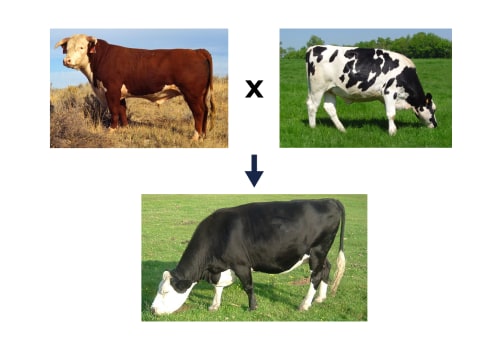
Animal breeding is a fundamental practice in agriculture and livestock management, playing a crucial role in enhancing the quality and productivity of various species. At its core, animal breeding involves the selective mating of animals to produce desired traits in their offspring, such as improved growth rates, disease resistance, and better reproductive performance. This practice not only contributes to the efficiency of food production but also supports the sustainability of farming operations by ensuring that livestock can adapt to changing environmental conditions. The significance of animal breeding extends beyond mere productivity; it also encompasses genetic diversity and the preservation of rare breeds. By carefully managing breeding programs, farmers can maintain a healthy gene pool, which is essential for the long-term viability of livestock populations.
This aspect is particularly important in small-scale operations, where maintaining unique genetic traits can be vital for niche markets and local ecosystems. As we delve deeper into the differences between small-scale and large-scale animal breeding operations, it becomes evident that each approach has its own set of practices, challenges, and benefits. Small-scale breeders often focus on quality over quantity, emphasizing ethical practices and animal welfare. In contrast, large-scale operations may prioritize efficiency and output, leading to different breeding strategies and management techniques. Understanding these distinctions is key to appreciating how animal breeding shapes the future of agriculture and food production.
Overview of Small-Scale Animal Breeding Operations
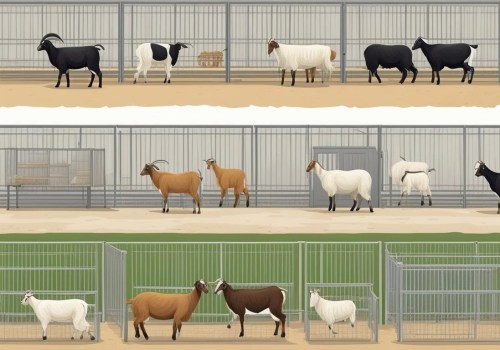
Small-scale animal breeding operations are typically characterized by their focus on quality over quantity.These operations often involve a limited number of animals, allowing breeders to maintain close relationships with each animal and ensure their well-being. This intimate approach fosters a deeper understanding of the animals' genetics, health, and behavior, which can lead to more informed breeding decisions.
Benefits of Small-Scale Breeding
- Genetic Diversity: Small-scale breeders often prioritize genetic diversity, which can enhance the resilience of the breed and reduce the risk of inherited health issues.
- Animal Welfare: With fewer animals to manage, small-scale operations can provide better care, ensuring that each animal receives adequate attention and resources.
- Community Engagement: These operations often engage with local communities, promoting sustainable practices and educating others about responsible breeding.
- Customization: Breeders can tailor their practices to meet specific goals, such as producing animals with particular traits or adapting to local environmental conditions.
Challenges in Small-Scale Breeding
- Limited Resources: Small-scale breeders may struggle with financial constraints, making it difficult to invest in advanced breeding technologies or veterinary care.
- Market Access: Competing with larger operations can be challenging, as small-scale breeders may have less access to markets and distribution channels.
- Time Constraints: The hands-on nature of small-scale breeding requires significant time investment, which can be a barrier for those balancing other responsibilities.
- Knowledge Gaps: Some small-scale breeders may lack access to the latest research or best practices in animal genetics and breeding techniques.
Overview of Large-Scale Animal Breeding Operations
Large-scale animal breeding operations, often referred to as industrial breeding practices, are characterized by their systematic and commercial approach to producing livestock. These operations typically involve a significant number of animals and utilize advanced technologies to enhance productivity and efficiency.One of the primary methodologies employed in large-scale breeding is selective breeding, where animals are chosen based on specific genetic traits that are desirable for production purposes. This can include traits such as growth rate, feed efficiency, and disease resistance.By focusing on these traits, large-scale operations aim to maximize output while minimizing costs.
Advantages of Large-Scale Breeding
- Economies of Scale: Large-scale operations benefit from reduced costs per unit due to bulk purchasing of feed and supplies, as well as streamlined labor processes.
- Genetic Improvement: The ability to manage large genetic pools allows for more effective selective breeding, leading to faster improvements in desirable traits.
- Technological Integration: Many large-scale breeders utilize advanced technologies such as artificial insemination, embryo transfer, and genetic testing, which can enhance breeding outcomes.
- Consistent Supply: These operations can provide a steady supply of livestock products, meeting the demands of larger markets and consumers.
Key Differences Between Small-Scale and Large-Scale Animal Breeding
Animal breeding practices vary significantly between small-scale and large-scale operations, each with distinct methodologies, goals, and outcomes. Understanding these differences is crucial for anyone interested in the field of animal husbandry.Goals and Objectives
- Small-scale breeding often focuses on quality over quantity.
Breeders may prioritize genetic diversity, health, and temperament, aiming to produce animals that are well-suited for specific environments or purposes.
- Large-scale breeding, on the other hand, typically emphasizes efficiency and productivity. The primary goal is to maximize output, often leading to standardized breeds that can thrive in commercial settings.
Breeding Techniques
- In small-scale operations, breeders frequently use natural breeding methods, allowing animals to mate freely. This approach can enhance genetic diversity and reduce the risk of inherited health issues.
- Conversely, large-scale operations often rely on artificial insemination and advanced reproductive technologies. These methods enable breeders to control genetics more precisely but can lead to reduced genetic variation.
Animal Welfare Considerations
- Small-scale breeders tend to have closer relationships with their animals, which can lead to better welfare practices.
They often monitor individual animal health and behavior closely.
- In large-scale operations, the focus on efficiency may sometimes compromise animal welfare. High-density living conditions can lead to stress and health problems if not managed properly.
Market Orientation
- Small-scale breeders usually cater to niche markets or local communities, often selling directly to consumers who value quality and ethical practices.
- Large-scale breeders typically supply larger markets or commercial enterprises, focusing on mass production and distribution.
Ethical Considerations in Animal Breeding Practices
When examining animal breeding practices, the ethical considerations vary significantly between small-scale and large-scale operations. Understanding these differences is crucial for anyone concerned about animal welfare and the implications of breeding methods.Ethical Animal Breeding in Small-Scale Operations
Small-scale breeders often prioritize the health and well-being of their animals.
They typically have a closer relationship with their stock, allowing for more personalized care and attention. This intimate setting fosters an environment where ethical breeding practices can thrive. For instance, small-scale breeders are more likely to:
- Conduct thorough health screenings to prevent genetic disorders.
- Provide adequate living conditions that promote natural behaviors.
- Engage in selective breeding practices that focus on enhancing desirable traits without compromising animal health.
Ethical Concerns in Large-Scale Breeding
In contrast, large-scale breeding operations often prioritize productivity and profit over animal welfare. This can lead to several ethical concerns:
- Overcrowding: Animals may be kept in cramped conditions that hinder their ability to express natural behaviors.
- Health Risks: The focus on rapid production can result in inadequate health monitoring, leading to increased susceptibility to diseases.
- Genetic Diversity: Large-scale operations may rely on a limited gene pool, increasing the risk of hereditary health issues.
Consumers are increasingly aware of the conditions under which animals are bred and raised, leading to a demand for more humane treatment. As a result, both small-scale and large-scale breeders must navigate these ethical waters carefully, balancing productivity with the responsibility of ensuring animal welfare.
Economic Impacts of Different Breeding Practices
The economic impacts of animal breeding practices vary significantly between small-scale and large-scale operations, influencing not only the profitability of the breeders but also the broader market dynamics.Small-scale breeding
operations often focus on niche markets, producing high-quality animals that cater to specific consumer demands. These breeders typically have lower overhead costs and can capitalize on premium pricing for their products. However, their profitability can be limited by scale; they may not achieve the same volume of sales as larger operations.Additionally, small-scale breeders often face challenges in accessing resources such as veterinary care and feed, which can impact their overall economic viability.In contrast, large-scale breeding operations benefit from economies of scale. They can produce a higher volume of animals at a lower cost per unit, allowing them to dominate the market with competitive pricing. This scale can lead to increased profitability, but it also comes with significant upfront investments in infrastructure, technology, and compliance with regulatory standards. The initial costs can be daunting, but once established, these operations often enjoy a steady cash flow due to their ability to meet mass-market demands.
- Cost Analysis: Small-scale breeders may incur higher per-animal costs due to limited purchasing power for feed and supplies, while large-scale operations can negotiate bulk discounts.
- Profitability: While small-scale breeders may achieve higher margins on individual sales, large-scale breeders often realize greater total profits due to volume.
- Market Dynamics: The presence of large-scale operations can drive down prices in the market, affecting the sustainability of small-scale breeders.
Breeders must carefully consider their target market, available resources, and long-term goals to determine which approach aligns best with their financial objectives.
Future Trends in Animal Breeding Practices
The future of animal breeding is poised for significant transformation, driven by advancements in technology and a growing emphasis on sustainability. Both small-scale and large-scale operations are beginning to adopt innovative practices that enhance productivity while addressing ethical concerns. One of the most notable trends in small-scale farming is the increasing use of genetic diversity. Farmers are recognizing the importance of maintaining a diverse gene pool to improve resilience against diseases and environmental changes. This approach not only supports biodiversity but also enhances the adaptability of livestock, ensuring that small farms can thrive in changing climates. Additionally, small-scale breeders are leveraging technology such as mobile applications for tracking breeding cycles and health metrics.These tools allow farmers to make informed decisions about breeding pairs, ultimately leading to healthier animals and improved yields.
Innovations in Large-Scale Breeding
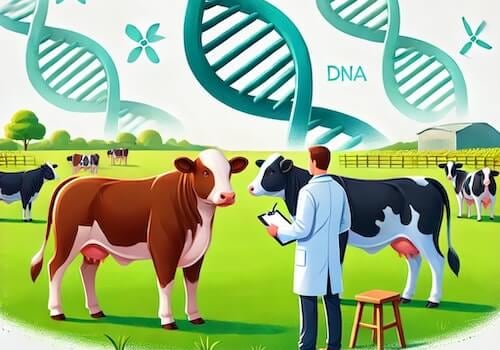
On the other hand, large-scale breeding operations are increasingly incorporating precision breeding techniques. These methods utilize advanced genetic tools, such as CRISPR and genomic selection, to enhance desirable traits in livestock. By focusing on specific genetic markers, large operations can produce animals that grow faster, are more disease-resistant, and have better feed conversion rates. Moreover, automation is becoming a game-changer in large-scale settings. Automated systems for monitoring animal health and behavior can lead to early detection of issues, reducing losses and improving overall herd management.This shift towards automation not only increases efficiency but also allows for more humane treatment of animals. As we look ahead, the integration of sustainability practices will be crucial for both small and large-scale operations. Consumers are increasingly demanding ethically sourced products, prompting breeders to adopt practices that minimize environmental impact. This includes implementing rotational grazing systems and reducing reliance on antibiotics through better animal husbandry practices. In conclusion, the future of animal breeding is characterized by a blend of traditional knowledge and modern technology. Both small-scale and large-scale operations stand to benefit from these innovations, paving the way for a more sustainable and efficient agricultural landscape.
FAQs About Animal Breeding Practices
Animal breeding practices can often lead to confusion, especially when comparing small-scale and large-scale operations.Here are some frequently asked questions that clarify these differences:
- What is the primary difference between small-scale and large-scale animal breeding?
Small-scale breeding typically focuses on quality over quantity, often prioritizing genetic diversity and animal welfare. In contrast, large-scale operations may emphasize efficiency and production volume, which can sometimes compromise genetic health. - Are there specific breeds favored in small-scale versus large-scale breeding?
Yes, small-scale breeders often choose heritage or local breeds that are well-suited to their environment and management style. Large-scale operations may favor hybrid breeds that maximize productivity and growth rates. - How do breeding practices impact animal health?
Small-scale breeders usually implement more personalized care, which can lead to healthier animals. Large-scale operations may face challenges such as overcrowding and limited veterinary oversight, potentially affecting animal health. - What are common misconceptions about animal breeding?
One common misconception is that all breeding practices are the same.In reality, the methods and ethics can vary significantly between small and large operations. Another misconception is that larger operations always produce healthier animals; however, this is not necessarily true.