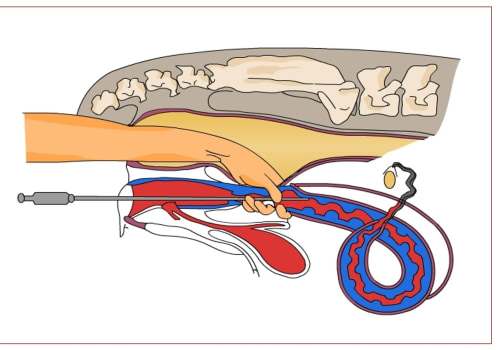
In recent years, genetic engineering has emerged as a transformative force in the field of animal breeding, offering unprecedented opportunities to enhance livestock and companion animals alike. This innovative approach leverages advanced biotechnology to manipulate the genetic makeup of animals, aiming to improve traits such as disease resistance, growth rates, and overall productivity. However, as we delve into the realm of genetic modification, it becomes crucial to consider the ethical considerations that accompany these scientific advancements. The potential benefits of genetic engineering in animal breeding are significant, promising not only increased efficiency in food production but also the possibility of reducing the environmental impact associated with traditional breeding methods. Yet, these advancements raise important questions about animal welfare, biodiversity, and the long-term consequences of altering an organism's genetic structure.
Are we prioritizing human needs over the intrinsic value of animal life? What safeguards are in place to ensure that these engineered animals do not suffer or disrupt existing ecosystems?As we explore the ethical landscape surrounding genetic engineering in animal breeding, it is essential to engage with diverse perspectives—from scientists and ethicists to animal rights advocates and consumers. This dialogue will help illuminate the complexities of this issue and guide us toward responsible practices that honor both innovation and ethical stewardship in our relationship with animals.
The Science Behind Genetic Engineering in Animal Breeding
Genetic engineering in animal breeding involves a range of sophisticated techniques that manipulate the genetic material of animals to achieve desired traits. At its core, this process relies on understanding animal genetics, which is the study of how traits are inherited and expressed in living organisms.One of the primary methods used in genetic engineering is gene editing, particularly through technologies like CRISPR-Cas9. This technique allows scientists to make precise alterations to an animal's DNA, enabling them to add, remove, or modify specific genes. For instance, researchers can enhance disease resistance in livestock or improve growth rates in poultry by targeting genes associated with these traits.Another common approach is selective breeding, which has been practiced for centuries but has been revolutionized by genetic insights.By identifying animals with desirable genetic markers, breeders can select parent animals that are more likely to produce offspring with those traits. This method can be combined with genetic engineering to create a more efficient breeding program.Additionally, transgenic technology allows for the introduction of genes from one species into another. This can lead to the development of animals that produce pharmaceuticals or have enhanced nutritional profiles. For example, scientists have created goats that produce milk containing human proteins used in medical treatments.While these techniques offer significant advancements in animal breeding, they also raise important ethical considerations.
The potential for unintended consequences, such as unforeseen health issues or ecological impacts, necessitates a careful examination of the long-term effects of genetic manipulation on animal welfare and biodiversity.In summary, the science behind genetic engineering in animal breeding encompasses various techniques aimed at enhancing desirable traits through a deep understanding of genetics. As these technologies evolve, they present both opportunities and challenges that must be navigated thoughtfully.
Ethical Considerations in Genetic Engineering
The advent of genetic engineering in animal breeding has sparked a myriad of ethical considerations that demand careful scrutiny. As we manipulate the genetic makeup of animals, we must confront the moral implications of such actions, particularly concerning animal welfare.One of the primary ethical issues revolves around the potential for suffering. Genetic modifications can lead to unintended consequences, such as health problems or physical deformities.For instance, certain breeds of dogs have been genetically altered for specific traits, often resulting in severe health issues like respiratory problems or joint disorders. This raises the question: are we prioritizing aesthetic or functional traits over the well-being of the animal?Moreover, the concept of animal welfare extends beyond physical health. It encompasses the psychological and emotional states of animals as well. Genetic engineering can inadvertently affect an animal's behavior and social interactions, leading to stress or anxiety.
Ethical breeding practices should consider not only the physical attributes but also the overall quality of life for these animals.Another significant concern is the potential for genetic diversity loss. When breeders focus on specific traits through genetic modification, they may inadvertently reduce the genetic variability within a population. This can make animals more susceptible to diseases and environmental changes, ultimately threatening their survival.Furthermore, there is a broader societal implication to consider. The commercialization of genetically engineered animals raises questions about ownership and rights.
If an animal is genetically modified for profit, who holds responsibility for its welfare? This dilemma highlights the need for stringent regulations and ethical guidelines in animal breeding.In conclusion, while genetic engineering holds promise for improving certain traits in animal breeding, it is imperative to navigate these ethical waters with caution. The welfare of animals must remain at the forefront of any genetic modification efforts, ensuring that we do not sacrifice their well-being for human benefit.
Animal Welfare and Rights Perspectives
The intersection of animal welfare and genetic engineering in animal breeding raises significant ethical questions that merit careful consideration. As advancements in biotechnology enable breeders to manipulate genetic traits, the implications for animal rights and welfare become increasingly complex.One of the primary concerns is the potential for welfare implications resulting from selective breeding practices. Genetic modifications can lead to unintended consequences, such as health issues or reduced quality of life for the animals involved.For instance, breeding for specific physical traits may inadvertently increase susceptibility to diseases or cause chronic pain. This raises ethical questions about the responsibility of breeders to prioritize the well-being of the animals over economic gains.
Animal Rights Perspectives
From an animal rights perspective, the practice of genetic engineering in breeding can be seen as a violation of an animal's intrinsic rights. Advocates argue that animals should not be treated as mere commodities or tools for human benefit. The manipulation of their genetic makeup can be viewed as an infringement on their natural existence and autonomy.This perspective emphasizes that animals have a right to live free from human interference, particularly when such interference may lead to suffering.
Ethical Treatment of Animals
The ethical treatment of animals in the context of genetic engineering also involves considering the long-term effects on species diversity and ecosystem balance. Genetic uniformity resulting from selective breeding can make populations more vulnerable to diseases and environmental changes. Thus, ethical breeding practices should not only focus on individual animal welfare but also consider the broader ecological implications.In conclusion, navigating the ethical landscape of genetic engineering in animal breeding requires a multifaceted approach that balances technological advancements with a commitment to welfare, rights, and ecological integrity. Stakeholders must engage in ongoing dialogue to ensure that animal welfare remains at the forefront of breeding practices.Regulatory Frameworks and Guidelines
The landscape of genetic engineering in animal breeding is shaped significantly by a variety of regulatory frameworks and guidelines that aim to ensure ethical practices.These regulations are crucial for balancing innovation with the welfare of animals and the environment.In the United States, the Animal and Plant Health Inspection Service (APHIS), part of the USDA, plays a pivotal role in overseeing genetically engineered animals. APHIS evaluates the safety and environmental impact of these organisms before they can be marketed. This includes assessing potential risks to animal health, human health, and biodiversity.Moreover, the Food and Drug Administration (FDA) regulates genetically engineered animals under the Federal Food, Drug, and Cosmetic Act. The FDA's guidelines require that any genetically modified animal intended for food production must undergo rigorous safety assessments to ensure that it is safe for consumption.
- International Guidelines: Various international bodies, such as the World Organisation for Animal Health (OIE), provide guidelines that member countries can adopt to regulate genetic engineering in animal breeding.
These guidelines emphasize animal welfare and biosecurity.
- Ethical Considerations: Ethical frameworks often accompany these regulations, focusing on the moral implications of altering an animal's genetic makeup. This includes considerations about animal suffering, biodiversity conservation, and the long-term impacts on ecosystems.
- Public Engagement: Many regulatory bodies encourage public engagement in discussions about genetic engineering. This transparency helps build trust and ensures that societal values are reflected in regulatory decisions.
Public Perception and Ethical Debates
The public perception of genetic engineering in animal breeding plays a crucial role in shaping the ethical debates surrounding this controversial topic.As advancements in biotechnology continue to evolve, society grapples with the implications of manipulating animal genetics for various purposes, including enhanced productivity, disease resistance, and improved welfare.One significant aspect of public opinion is the concern over animal welfare. Many individuals question whether genetic modifications prioritize economic benefits over the well-being of the animals involved. For instance, while genetically engineered animals may exhibit traits that enhance their growth rates or disease resistance, critics argue that these modifications could lead to unforeseen health issues or suffering. This concern often fuels ethical debates about the responsibilities of breeders and scientists in ensuring humane treatment.Moreover, societal views on animal breeding are influenced by cultural and ethical frameworks.
In some communities, there is a strong belief in the sanctity of natural processes, leading to resistance against any form of genetic manipulation. Conversely, others may embrace genetic engineering as a means to address food security and sustainability challenges. This dichotomy highlights the complexity of public sentiment and its impact on policy-making.
- Transparency: The need for clear communication about genetic engineering practices is paramount. Misinformation can lead to fear and distrust among consumers.
- Regulation: Public opinion often calls for stringent regulations to ensure ethical standards are upheld in animal breeding practices.
- Education: Increasing awareness and understanding of genetic engineering can help bridge gaps in public perception and foster informed discussions.
Engaging with diverse perspectives is essential for developing responsible practices that align with societal values.
Case Studies: Successes and Controversies
Genetic engineering in animal breeding has led to remarkable advancements, but it has also sparked significant debate. Here, we explore notable case studies that highlight both the successes and controversies surrounding this technology.Successful Applications
One of the most prominent examples of successful genetic engineering in animal breeding is the development of genetically modified (GM) salmon. This species has been engineered to grow faster than its non-modified counterparts, allowing for more efficient production in aquaculture. The AquaBounty Technologies' AquAdvantage salmon has been approved by regulatory bodies in several countries, showcasing a significant step towards sustainable seafood production.Another success story is the creation of disease-resistant livestock.For instance, researchers have developed pigs that are resistant to Porcine Reproductive and Respiratory Syndrome (PRRS), a disease that causes substantial economic losses in the swine industry. By using CRISPR technology, these pigs can help reduce the need for antibiotics and improve animal welfare.
Controversies and Ethical Concerns
Despite these successes, genetic engineering in animal breeding is not without its controversies. The introduction of GM organisms into the food supply raises concerns about potential long-term health effects on humans and the environment. Critics argue that insufficient research has been conducted to fully understand the implications of consuming genetically modified animals.Moreover, ethical considerations regarding animal welfare are paramount.The process of genetic modification can lead to unintended consequences, such as increased susceptibility to other diseases or physical deformities. For example, some genetically engineered animals have exhibited abnormal growth patterns or reproductive issues, prompting debates about the morality of altering animal genetics for human benefit.In conclusion, while genetic engineering in animal breeding presents exciting opportunities for enhancing food production and animal health, it also necessitates careful consideration of ethical implications and potential risks. Ongoing dialogue among scientists, ethicists, and the public is essential to navigate these complex issues.
Future Directions in Genetic Engineering and Ethics
The future of genetic engineering in animal breeding holds significant promise, but it also raises complex ethical considerations that must be addressed. As technology advances, the potential for creating genetically modified animals that exhibit desirable traits—such as disease resistance, faster growth rates, and improved nutritional profiles—becomes increasingly feasible.One of the key trends in this field is the development of gene editing techniques, such as CRISPR-Cas9, which allow for precise modifications to an animal's genome.While these advancements can lead to enhanced productivity and sustainability in agriculture, they also prompt questions about the long-term impacts on animal welfare and biodiversity.
- Animal Welfare: As we engineer animals for specific traits, we must consider the potential suffering that could arise from unintended consequences. For instance, altering genes to enhance growth may lead to health issues or reduced lifespan.
- Biodiversity: The focus on a limited number of genetically modified breeds could threaten genetic diversity within species, making them more susceptible to diseases and environmental changes.
- Ethical Treatment: The ethical treatment of genetically engineered animals is paramount. Society must grapple with whether these animals should be treated as mere commodities or as sentient beings deserving of rights.
Transparency in breeding practices and clear communication about the benefits and risks associated with genetic engineering will be essential.In conclusion, while the future of genetic engineering in animal breeding offers exciting possibilities for enhancing food security and sustainability, it is imperative that we navigate these advancements with a strong ethical framework. Balancing innovation with responsibility will be key to ensuring that both animals and humans benefit from these technological strides.
Conclusion: Balancing Innovation with Ethics in Animal Breeding
In conclusion, the landscape of animal breeding is rapidly evolving, driven by advancements in genetic engineering and biotechnology. While these innovations hold the promise of enhancing productivity, disease resistance, and overall animal welfare, they also raise significant ethical considerations that cannot be overlooked. Throughout this discussion, we have explored various aspects of animal breeding, including the potential benefits of genetic modifications and the associated risks. It is crucial to recognize that with great power comes great responsibility.The ability to manipulate genetic traits necessitates a careful examination of the long-term implications for both animals and ecosystems.
- Animal Welfare: Ensuring that the welfare of animals remains a priority is paramount. Genetic engineering should not compromise the health or quality of life of the animals involved.
- Biodiversity: The focus on specific traits may lead to a reduction in genetic diversity, which can make populations more susceptible to diseases and environmental changes.
- Ethical Treatment: The ethical treatment of animals must be at the forefront of any breeding program. This includes considering their natural behaviors and habitats.
By prioritizing ethical considerations alongside scientific advancements, we can work towards a future where both animals and humans benefit from responsible breeding practices.