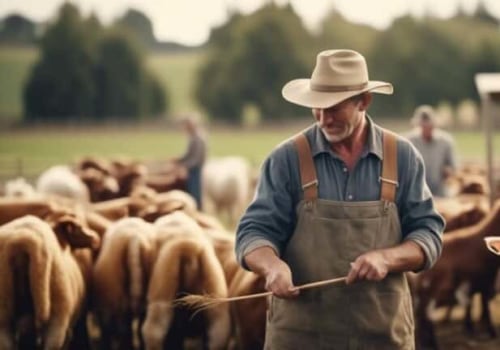
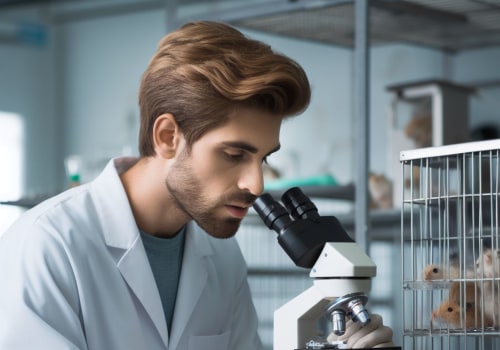
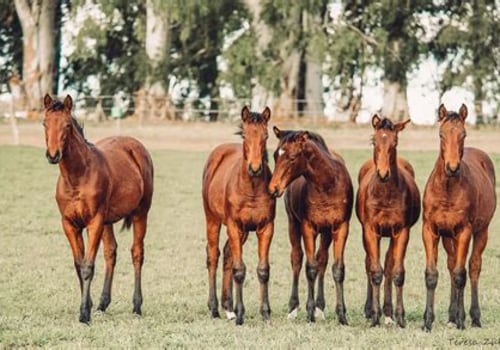
Animal breeding is a scientific practice that involves the selective mating of animals to produce specific desired traits in their offspring. This process is crucial not only for enhancing agricultural productivity but also for preserving genetic diversity in wildlife. By understanding the principles of animal breeding, farmers and conservationists can make informed decisions that lead to healthier, more resilient populations of both domesticated and wild species. The definition of animal breeding encompasses various techniques, including natural selection and artificial selection, which are employed to achieve particular goals such as improved growth rates, disease resistance, or enhanced reproductive performance. In agriculture, for instance, livestock breeding aims to produce animals that yield more milk or meat, while in conservation efforts, breeding programs may focus on increasing the numbers of endangered species to prevent extinction. As we delve deeper into the world of animal breeding, it becomes evident that this practice is not merely about producing more animals; it is about fostering a sustainable relationship between humans and the animal kingdom.
By prioritizing genetic health and diversity, we can ensure that both agricultural systems and natural ecosystems thrive for generations to come.
History of Animal Breeding
The history of animal breeding is a fascinating journey that dates back thousands of years, intertwining with the development of human civilization. Early humans began domesticating animals around 10,000 years ago, primarily for food, labor, and companionship. This initial phase marked the beginning of selective breeding, where individuals chose animals with desirable traits to reproduce.As societies evolved, so did the practices of animal breeding. The ancient Egyptians, for instance, were known to breed cats for their hunting skills and companionship.Similarly, the Mesopotamians selectively bred sheep for wool production, which was crucial for their economy. These early practices laid the groundwork for more systematic approaches to breeding.
The Evolution of Breeding Practices
During the Middle Ages, animal breeding became more structured. The establishment of stud books and breeding associations in Europe allowed for better record-keeping and the promotion of specific breeds. This period saw the rise of specialized breeds tailored for particular purposes, such as horses for war or cattle for milk production.- 19th Century: The advent of genetics in the 19th century revolutionized animal breeding.
Pioneers like Gregor Mendel discovered the principles of heredity, which provided a scientific basis for selective breeding.
- 20th Century: The introduction of artificial insemination and advancements in reproductive technologies further transformed breeding practices. These innovations allowed breeders to enhance genetic diversity and improve livestock quality on a larger scale.
- Modern Era: Today, animal breeding incorporates genetic testing and biotechnology, enabling breeders to make informed decisions that enhance health and productivity while considering ethical implications.
Types of Animal Breeding
Animal breeding encompasses various methods aimed at enhancing specific traits in animals. Understanding the different types of animal breeding is crucial for breeders, farmers, and researchers alike.Here, we will delve into three primary types: selective breeding, crossbreeding, and inbreeding.
Selective Breeding
Selective breeding is a process where animals with desirable traits are chosen to reproduce. This method aims to enhance specific characteristics such as size, temperament, or disease resistance. For example, in the dairy industry, farmers may select cows that produce higher milk yields to breed, thereby increasing overall productivity. This technique has been widely used in agriculture and has led to significant improvements in livestock quality.Crossbreeding
Crossbreeding involves mating two different breeds to produce offspring that inherit traits from both parents.This method can result in hybrid vigor, where the offspring exhibit improved health and growth rates compared to their purebred parents. A common example is the crossbreeding of a Labrador Retriever with a Poodle to create a Labradoodle, which often combines the friendly nature of the Labrador with the hypoallergenic coat of the Poodle.
Inbreeding
Inbreeding, on the other hand, refers to mating closely related animals. While this can help maintain certain desirable traits within a breed, it also poses risks such as increased chances of genetic disorders and reduced fertility. For instance, in dog breeding, excessive inbreeding can lead to health issues like hip dysplasia or heart problems.Therefore, careful management is essential when employing this method.In summary, each type of animal breeding serves distinct purposes and comes with its own set of advantages and challenges. By understanding these methods, breeders can make informed decisions that align with their goals while promoting animal health and welfare.
Techniques Used in Animal Breeding
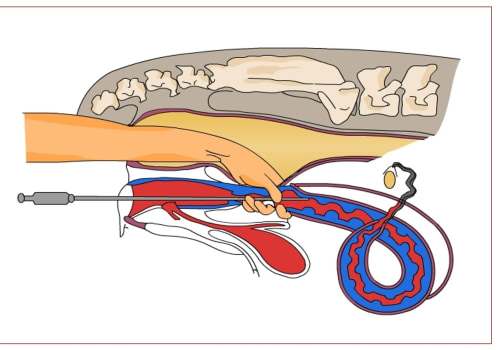
Animal breeding encompasses a variety of techniques aimed at enhancing desirable traits in livestock and pets. Among these, artificial insemination stands out as a revolutionary method that has transformed the breeding landscape.Artificial insemination involves the deliberate introduction of sperm into a female's reproductive tract, bypassing natural mating. This technique allows breeders to:- Utilize superior genetics from distant or rare breeds.
- Reduce the risk of disease transmission that can occur during natural mating.
- Enhance genetic diversity by mixing genes from various populations.
This technique enables breeders to:
- Identify carriers of genetic disorders, ensuring healthier offspring.
- Select animals with desirable traits such as growth rate, milk production, or disease resistance.
- Make informed decisions about breeding pairs based on genetic compatibility.
Benefits of Animal Breeding
Animal breeding offers a multitude of benefits that extend beyond mere livestock production. For farmers, effective breeding practices can lead to healthier animals that are more resilient to diseases and environmental stresses.This not only enhances the welfare of the animals but also reduces veterinary costs, ultimately improving the farm's profitability.Moreover, selective breeding allows farmers to enhance specific traits in their livestock, such as growth rate, milk production, and meat quality. By focusing on these desirable characteristics, farmers can produce animals that meet market demands more effectively, leading to increased sales and customer satisfaction.
Advantages for Conservationists
For conservationists, animal breeding plays a crucial role in preserving endangered species. Through controlled breeding programs, it is possible to increase genetic diversity and strengthen populations that are at risk of extinction. This not only helps maintain biodiversity but also supports ecosystem stability.Economic Impact
The economic implications of animal breeding are significant.A well-implemented breeding program can lead to higher productivity levels, which in turn boosts the agricultural sector's contribution to the economy. As farmers produce more efficient livestock, they can meet the growing global demand for animal products, thereby enhancing food security.In summary, the benefits of animal breeding are far-reaching, impacting not just individual farms but also broader ecological and economic systems. By investing in effective breeding strategies, stakeholders can ensure a sustainable future for both agriculture and wildlife conservation.
Ethical Considerations in Animal Breeding
Animal breeding is a practice that, while beneficial in many ways, raises significant ethical considerations that must be addressed. As breeders take on the responsibility of producing animals, they must also consider the welfare of these creatures throughout their lives.One of the primary ethical issues in animal breeding revolves around the potential for genetic disorders.Selective breeding can lead to a concentration of certain traits, which may inadvertently increase the risk of hereditary health problems. For instance, breeds like Bulldogs and Dachshunds often suffer from respiratory issues and spinal disorders due to their physical characteristics. Breeders must weigh the desire for specific traits against the health implications for the animals.Moreover, animal welfare concerns extend beyond genetics. The conditions in which animals are bred and raised play a crucial role in their overall well-being.
Ethical breeders prioritize creating environments that allow for natural behaviors, socialization, and proper care. This includes providing adequate space, nutrition, and veterinary care. In contrast, irresponsible breeding practices can lead to overcrowding, neglect, and inadequate medical attention.Another important aspect is the issue of overpopulation. With millions of animals in shelters waiting for homes, breeders have a moral obligation to consider their impact on local animal populations.
Responsible breeding should involve a commitment to ensuring that every animal produced has a loving home awaiting them.In conclusion, ethical considerations in animal breeding are multifaceted and require breeders to act with integrity and compassion. By prioritizing animal welfare, addressing genetic health issues, and being mindful of overpopulation, breeders can contribute positively to the lives of the animals they bring into the world.
Animal Breeding in Conservation Efforts
Animal breeding has emerged as a pivotal strategy in conservation efforts, particularly for endangered species. As habitats continue to be threatened by human activities, the role of breeding programs becomes increasingly vital in preserving biodiversity.One of the most notable examples of successful animal breeding for conservation is the California condor. Once on the brink of extinction, intensive breeding programs have helped increase their population from just 27 individuals in the 1980s to over 500 today.This success story highlights how targeted breeding efforts can lead to significant recovery in species numbers.Another remarkable case is the Arabian oryx, which was declared extinct in the wild in the 1970s. Through captive breeding initiatives, conservationists were able to reintroduce this species into its natural habitat, demonstrating that endangered species breeding programs can effectively restore populations and ecosystems.The impact of these programs extends beyond individual species. By fostering genetic diversity and ensuring healthy populations, animal breeding contributes to the overall resilience of ecosystems. This is crucial as it helps maintain ecological balance and supports other species within the same habitat.In addition to these successes, many zoos and wildlife reserves are now collaborating globally to share genetic material and best practices.
This cooperative approach enhances the effectiveness of breeding programs and increases the chances of survival for various endangered species.In conclusion, animal breeding plays an essential role in conservation efforts, particularly for endangered species. Through dedicated programs and international collaboration, we can continue to make strides in protecting our planet's biodiversity for future generations.
Future Trends in Animal Breeding
The future of animal breeding is poised for significant transformation, driven by rapid advancements in genetics and biotechnology. As the demand for sustainable food sources increases, breeders are turning to innovative techniques that enhance productivity while ensuring animal welfare.Genomic Selection
One of the most promising trends in animal breeding is genomic selection. This method utilizes DNA information to predict the genetic potential of animals more accurately than traditional methods.By identifying desirable traits at the genetic level, breeders can make informed decisions that lead to improved health, growth rates, and reproductive performance.
CRISPR and Gene Editing
The advent of CRISPR technology has revolutionized the field of genetics. This powerful tool allows for precise modifications to an animal's DNA, enabling breeders to eliminate genetic disorders and enhance beneficial traits. For instance, researchers are exploring ways to create disease-resistant livestock, which could significantly reduce reliance on antibiotics and improve overall herd health.Precision Breeding Techniques
In addition to genomic selection and gene editing, precision breeding techniques are gaining traction. These methods involve using data analytics and artificial intelligence to optimize breeding programs.By analyzing vast amounts of data on animal performance, breeders can identify the best candidates for reproduction, leading to faster improvements in desirable traits.
Sustainability and Ethical Considerations
As the industry evolves, there is a growing emphasis on sustainability and ethical practices in animal breeding. Consumers are increasingly concerned about how animals are raised and bred. Consequently, breeders are adopting practices that prioritize animal welfare while also focusing on environmental sustainability. This includes selecting for traits that improve feed efficiency and reduce greenhouse gas emissions.In conclusion, the future of animal breeding is bright, with advancements in genetics and biotechnology paving the way for more efficient, sustainable, and ethical practices.As these technologies continue to develop, they will undoubtedly reshape the landscape of animal agriculture for years to come.
FAQs About Animal Breeding
Animal breeding is a complex topic that often raises numerous questions and misconceptions. Here, we address some of the most frequently asked questions to provide clarity and insight.What is the purpose of animal breeding?
The primary purpose of animal breeding is to enhance desirable traits in animals, such as productivity, health, and temperament. Breeders aim to produce offspring that exhibit specific characteristics, whether for agricultural purposes, companionship, or conservation efforts.Is animal breeding the same as genetic engineering?
No, animal breeding typically involves traditional methods of selecting parent animals with favorable traits to produce the next generation. In contrast, genetic engineering involves direct manipulation of an organism's DNA in a laboratory setting.While both aim to improve animal traits, they employ different techniques.
Are all breeds created equal?
Not all breeds are created equal; each breed has unique characteristics and potential health issues. Understanding the specific needs and traits of different breeds is crucial for responsible ownership and breeding practices.What are common misconceptions about animal breeding?
- Myth: All breeders are unethical.
- Fact: While there are irresponsible breeders, many adhere to ethical standards and prioritize animal welfare.
- Myth: Breeding always leads to healthier animals.
- Fact: Poor breeding practices can lead to genetic disorders and health issues in offspring.