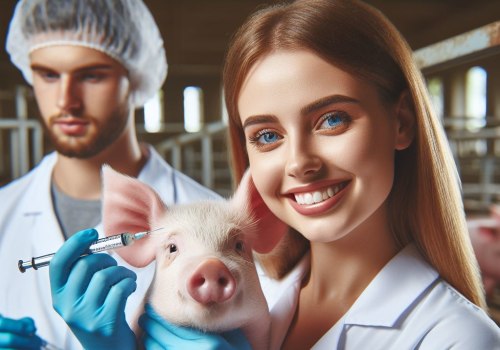
Animal breeding is a complex and vital practice that involves selecting specific animals to reproduce based on desirable traits. This process not only aims to enhance the quality of livestock and pets but also plays a crucial role in improving overall genetic diversity and health within animal populations. As breeders strive to produce animals that excel in various attributes—such as size, temperament, and disease resistance—performance testing has emerged as an essential tool in making informed breeding decisions.Performance testing refers to the systematic evaluation of an animal's abilities and characteristics, often through standardized assessments. By measuring traits such as growth rate, reproductive performance, and physical endurance, breeders can gather valuable data that informs their selection process.
This data-driven approach allows breeders to identify superior individuals that are more likely to pass on favorable traits to their offspring, thereby enhancing the genetic quality of future generations.The significance of performance testing in breeding selection cannot be overstated. It provides a scientific basis for decisions that were once based solely on subjective observations or anecdotal evidence. With advancements in technology and data analysis, breeders can now utilize sophisticated methods to track performance metrics over time, leading to more precise and effective breeding strategies. As we delve deeper into the intricacies of animal breeding and performance testing, it becomes clear that these practices are not just about producing better animals; they are about fostering healthier populations and ensuring sustainability in animal husbandry.
The Basics of Animal Breeding
Animal breeding is a complex practice that involves selecting specific animals to reproduce based on desired traits.Understanding the fundamentals of this process is essential for grasping how performance testing plays a role in the selection of breeding stock.There are several breeding methods employed by breeders, each with its own advantages and disadvantages:
- Natural Breeding: This traditional method involves allowing animals to mate naturally. It is often used for species that have strong mating instincts.
- Artificial Insemination (AI): AI allows breeders to introduce sperm from a selected male into the reproductive tract of a female without natural mating. This method increases genetic diversity and allows for the use of superior genetics from distant locations.
- Embryo Transfer: This advanced technique involves fertilizing an egg in vitro and then transferring the embryo into a surrogate mother. It enables breeders to maximize the reproductive potential of high-value females.
Breeders aim to enhance desirable traits such as growth rate, disease resistance, and reproductive efficiency through selective breeding. By understanding the genetic makeup of their animals, breeders can make informed decisions that align with their breeding goals.Incorporating performance testing into these methods allows breeders to evaluate the actual performance of animals against their genetic potential. This data-driven approach helps in identifying which animals are best suited for breeding, ensuring that only those with superior traits contribute to the next generation.Ultimately, a solid grasp of the basics of animal breeding, including various methods and the significance of genetics, lays the groundwork for effective performance testing and selection strategies.
What is Performance Testing?
Performance testing
in animal breeding refers to the systematic evaluation of an animal's traits and capabilities through various standardized tests. This process is crucial for breeders aiming to enhance specific characteristics in their breeding stock, ensuring that only the best animals contribute to future generations.There are several types of performance tests utilized in animal breeding, each designed to assess different attributes:
- Growth Tests: These tests measure the rate of growth and weight gain in animals, providing insights into their potential for meat production or other growth-related traits.
- Milk Production Tests: Commonly used in dairy cattle, these tests evaluate the quantity and quality of milk produced, helping breeders select for higher yielding animals.
- Reproductive Performance Tests: These assess fertility rates, litter sizes, and other reproductive traits, which are essential for maintaining healthy breeding programs.
- Behavioral Tests: These tests evaluate temperament and trainability, which are important for working animals and can influence their suitability for specific roles.
By implementing these tests, breeders can:
- Make Informed Decisions: Performance data allows breeders to select animals that exhibit desirable traits, leading to improved offspring.
- Enhance Genetic Progress: By focusing on specific performance metrics, breeders can accelerate genetic improvement within their herds or flocks.
- Reduce Risks: Performance testing helps identify potential health issues or undesirable traits early on, minimizing the risk of passing these on to future generations.
How Breeders Implement Performance Testing
Breeders utilize a systematic performance testing process to ensure that only the best animals are selected for breeding. This process begins with the identification of key traits that are desirable in the breeding stock, such as growth rate, reproductive efficiency, and disease resistance. Once these traits are established, breeders can implement various strategies to collect relevant data.Data Collection Methods
- Field Trials: Breeders often conduct field trials where animals are raised under controlled conditions to monitor their performance over time.
This allows for direct observation of traits in a real-world setting.
- Genetic Testing: Advances in genetic testing have enabled breeders to assess the genetic potential of animals. By analyzing DNA markers associated with desirable traits, breeders can make more informed decisions.
- Performance Records: Keeping detailed records of each animal's performance is crucial. This includes data on weight gain, milk production, and reproductive success, which can be analyzed to identify trends and make comparisons.
Breeder Strategies
- Selection Indexes: Many breeders use selection indexes that combine multiple traits into a single score.
This helps prioritize which animals should be bred based on overall genetic merit.
- Benchmarking: Comparing performance data against industry standards or peer groups can help breeders identify top performers and areas for improvement.
- Continuous Improvement: Performance testing is not a one-time event; it is an ongoing process. Breeders continuously refine their selection criteria based on new data and changing market demands.
Evaluating Results: Interpreting Performance Test Data
Interpreting performance test data is a critical step in the animal breeding process, as it provides breeders with valuable insights into the genetic potential and overall fitness of their animals. By analyzing various performance metrics, breeders can make informed decisions that enhance the quality of their breeding stock.Key Performance Metrics
Performance tests typically measure several key metrics, including:- Growth Rate: This metric indicates how quickly an animal reaches its market weight or breeding size.
Faster growth rates are often desirable, as they can lead to increased profitability.
- Feed Efficiency: This measures the amount of feed required for an animal to gain a certain amount of weight. Higher feed efficiency means lower costs and better sustainability in production.
- Reproductive Performance: Metrics such as litter size, conception rates, and calving intervals are crucial for evaluating the breeding potential of livestock.
- Health and Longevity: Breeders also consider health metrics, including disease resistance and lifespan, which are essential for maintaining a productive herd over time.
Data Analysis Techniques
Once performance data is collected, breeders employ various data analysis techniques to interpret the results effectively. Statistical methods such as regression analysis can help identify trends and correlations between different traits. Additionally, breeders may use software tools designed for animal breeding, which can simplify the analysis process and provide visual representations of data.By comparing individual animals against established benchmarks or averages within a breed, breeders can pinpoint superior candidates for breeding.This comparative analysis not only aids in selecting the best animals but also helps in understanding the genetic diversity within a population.Ultimately, the interpretation of performance test data is not just about numbers; it involves making strategic decisions that align with breeding goals. By focusing on specific metrics that contribute to overall herd improvement, breeders can enhance productivity and ensure the long-term success of their breeding programs.
Case Studies: Successful Use of Performance Testing in Breeding Programs
Performance testing has revolutionized the field of animal breeding, providing breeders with the tools to make informed decisions that enhance the quality and productivity of their livestock. Here are some compelling case studies that illustrate the successful application of performance testing in various breeding programs.Case Study 1: Dairy Cattle Breeding
A prominent dairy farm in Wisconsin implemented a comprehensive performance testing program to improve milk production in their Holstein herd. By utilizing genomic testing alongside traditional performance metrics, the farm was able to identify superior genetic lines.Over a five-year period, they reported a 20% increase in average milk yield per cow, significantly boosting their profitability. This success was attributed to selecting bulls with high genetic merit based on performance data, leading to healthier and more productive offspring.
Case Study 2: Beef Cattle Selection
In Texas, a beef cattle ranch adopted a performance testing strategy focusing on growth rates and feed efficiency. By measuring these traits, the ranch was able to select breeding stock that not only grew faster but also converted feed into weight more efficiently. As a result, they achieved a 15% reduction in feed costs while increasing the average weight of cattle at market time.This case highlights how targeted performance testing can lead to significant economic benefits in animal breeding.
Case Study 3: Poultry Production
A poultry producer in California utilized performance testing to enhance egg production rates in their laying hens. By analyzing data on egg size, shell quality, and production consistency, they were able to select hens that consistently performed well under varying environmental conditions. The outcome was a remarkable 30% increase in overall egg production within two years, demonstrating the effectiveness of data-driven selection methods in improving productivity.These case studies exemplify how performance testing not only aids in selecting superior breeding stock but also contributes to the overall sustainability and profitability of animal breeding operations. By leveraging data and technology, breeders can make strategic decisions that lead to long-term success.Challenges and Limitations of Performance Testing in Animal Breeding
While performance testing is a valuable tool in animal breeding, it is not without its challenges and limitations.Breeders must navigate various obstacles to ensure that the data collected is both reliable and applicable to their breeding goals.
Challenges in Performance Testing
One of the primary challenges is the variability in individual performance. Animals may exhibit different levels of performance due to factors such as genetics, environment, and management practices. This variability can make it difficult for breeders to draw definitive conclusions from performance data.Limitations of Testing Methods
Additionally, the methods used for performance testing can have inherent limitations. For instance:- Sample Size: Small sample sizes can lead to skewed results, making it hard to generalize findings across a larger population.
- Testing Conditions: Performance tests conducted under controlled conditions may not accurately reflect an animal's capabilities in real-world scenarios.
- Time Constraints: Some traits take longer to evaluate, which can delay breeding decisions and impact overall productivity.
Breeder Concerns
Breeders also express concerns regarding the cost-effectiveness of performance testing.The financial investment required for comprehensive testing can be substantial, particularly for small-scale operations. Furthermore, there is often a knowledge gap; not all breeders are equipped with the expertise needed to interpret performance data effectively. In conclusion, while performance testing plays a crucial role in enhancing breeding programs, understanding its challenges and limitations is essential for breeders. By acknowledging these issues, they can make more informed decisions that align with their breeding objectives.
Future Trends in Performance Testing for Animal Breeding
The future of animal breeding is poised for significant transformation, driven by advancements in performance testing and genetic technologies. As breeders seek to enhance the quality and productivity of livestock and companion animals, several emerging trends are shaping the landscape of performance evaluation.Innovations in Performance Testing
One of the most promising innovations is the integration of genomic selection.This approach utilizes DNA markers to predict an animal's genetic potential more accurately than traditional methods. By analyzing specific genes associated with desirable traits, breeders can make informed decisions that enhance the efficiency of their breeding programs.
Data-Driven Decision Making
The rise of big data analytics is another trend influencing animal breeding. With the ability to collect and analyze vast amounts of performance data, breeders can identify patterns and correlations that were previously undetectable. This data-driven approach allows for more precise selection criteria, ultimately leading to improved animal welfare and productivity.Technological Advancements
- Wearable Technology: Devices that monitor health and performance metrics in real-time are becoming increasingly popular.
These tools provide breeders with immediate feedback on an animal's condition, enabling timely interventions.
- Artificial Intelligence: AI algorithms can analyze performance data to predict outcomes and optimize breeding strategies. This technology can help breeders select animals that not only meet current standards but also adapt to future challenges.
- CRISPR and Gene Editing: The use of gene editing technologies like CRISPR offers the potential to directly modify traits in animals. This could lead to faster improvements in disease resistance, growth rates, and overall health.
Conclusion: The Impact of Performance Testing on Animal Breeding Success
In conclusion, performance testing has emerged as a cornerstone in the field of animal breeding, significantly enhancing the ability of breeders to select superior animals for reproduction.By systematically evaluating traits such as growth rate, reproductive efficiency, and disease resistance, breeders can make informed decisions that lead to improved genetic lines.The integration of performance testing into breeding programs not only optimizes the selection process but also contributes to the overall health and productivity of livestock. This method allows breeders to:
- Identify Superior Genetics: Performance testing helps in pinpointing animals that exhibit desirable traits, ensuring that only the best genetics are passed on to future generations.
- Enhance Breeding Efficiency: By focusing on measurable performance metrics, breeders can reduce the time and resources spent on less productive animals.
- Improve Animal Welfare: Selecting for traits that promote health and resilience leads to stronger animals that can thrive in various environments.
It not only drives advancements in genetic quality but also supports sustainable practices that benefit both producers and consumers. As technology continues to evolve, the future of animal breeding will likely see even more sophisticated methods of performance evaluation, further enhancing the potential for success in this vital industry.