Animal breeding is a critical practice that has shaped the development of livestock and companion animals for centuries. It involves the selective mating of animals to produce specific traits that are desirable for various purposes, including agricultural productivity, companionship, and conservation efforts. Understanding the fundamentals of animal breeding is essential for anyone interested in the fields of agriculture, veterinary science, or animal husbandry. The significance of animal breeding extends beyond mere aesthetics or performance; it plays a vital role in enhancing food security and preserving genetic diversity. By carefully selecting breeding pairs, breeders can improve traits such as growth rates, disease resistance, and reproductive efficiency.
This not only benefits farmers and consumers but also contributes to the sustainability of animal populations in the wild. As we delve deeper into the complexities of animal breeding, it becomes evident that balancing genetic diversity with the maintenance of desirable traits is a nuanced challenge. Breeders must navigate the delicate interplay between introducing new genetic material to prevent inbreeding and ensuring that the traits that make their animals valuable are preserved. This intricate dance is crucial for the long-term health and viability of both domesticated and wild species.
The Importance of Genetic Diversity in Animal Breeding
In the realm of animal breeding, the significance of genetic diversity cannot be overstated. Genetic diversity refers to the variety of genes within a species, and it plays a pivotal role in ensuring the health and sustainability of animal populations.A diverse gene pool enhances the ability of animals to adapt to changing environments and resist diseases, which is crucial for their survival.One of the primary benefits of maintaining genetic diversity is its impact on genetic health. When breeders focus solely on specific desirable traits, such as size or coat color, they may inadvertently reduce genetic variation. This can lead to inbreeding, which increases the risk of genetic disorders and reduces overall vitality. In contrast, a genetically diverse population is more resilient, as it can better withstand environmental stresses and disease outbreaks.
- Disease Resistance: A genetically diverse population is less likely to be wiped out by a single disease.
Different genetic makeups can provide varying levels of immunity, ensuring that some individuals survive even in the face of widespread illness.
- Adaptability: Animals with a broader genetic base are more adaptable to changes in their environment, such as climate change or habitat loss. This adaptability is essential for long-term survival.
- Reproductive Success: Genetic diversity can enhance reproductive success by increasing fertility rates and reducing the likelihood of reproductive issues that often accompany inbreeding.
It is a fundamental aspect that ensures the long-term viability and health of animal populations, making it a critical consideration for breeders aiming to create resilient and thriving breeds.
Desirable Traits in Animal Breeding
In the realm of animal breeding, desirable traits are characteristics that breeders aim to enhance or maintain in their animals. These traits can vary significantly across different species, influenced by the specific goals of the breeding program, whether for performance, aesthetics, or health.Examples of Desirable Traits
- Health and Longevity: Breeders often prioritize traits that contribute to the overall health and lifespan of the animal. For instance, in dogs, traits such as hip dysplasia resistance are crucial.
- Temperament: In companion animals like dogs and cats, a friendly and trainable temperament is highly sought after. Breeders select for these traits to ensure that animals are suitable for family environments.
- Production Traits: In livestock, traits such as milk yield in dairy cows or growth rate in meat animals are critical.
Breeders focus on these attributes to enhance productivity and profitability.
- Aesthetic Qualities: In show animals, physical characteristics such as coat color, size, and conformation are often emphasized. For example, horse breeders may select for specific coat patterns or body types that meet breed standards.
Challenges in Balancing Genetic Diversity and Desirable Traits
Breeders face significant challenges in balancing the need for genetic diversity with the desire to maintain specific desirable traits in their animals.One of the primary issues is the risk of inbreeding, which can lead to a host of genetic problems, including reduced fertility, increased susceptibility to diseases, and the expression of harmful recessive traits.Inbreeding occurs when closely related animals are bred together, which can be tempting for breeders aiming to preserve certain characteristics. However, this practice can severely limit the gene pool, leading to a lack of genetic variation. Without sufficient diversity, populations may struggle to adapt to environmental changes or resist emerging diseases.To mitigate these risks, breeders often employ several strategies:
- Outcrossing: This involves introducing unrelated animals into the breeding program to enhance genetic diversity. While this can dilute some desirable traits, it often results in healthier offspring with improved vigor.
- Line breeding: A more controlled form of inbreeding, line breeding focuses on maintaining desirable traits while minimizing the risks associated with inbreeding.
This method requires careful selection and monitoring of genetic backgrounds.
- Genetic testing: Utilizing modern genetic testing allows breeders to identify potential health issues and make informed decisions about breeding pairs. This can help maintain desirable traits while ensuring genetic health.
Breeding Strategies to Enhance Genetic Diversity
In the realm of animal breeding, enhancing genetic diversity while preserving desirable traits is a complex yet essential task. Breeders employ various strategies to achieve this balance, with crossbreeding and outcrossing being two of the most effective techniques.Crossbreeding Techniques
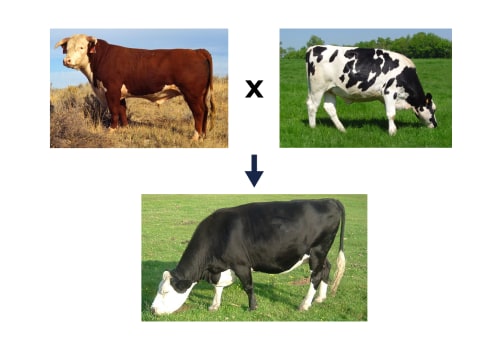
Crossbreeding involves mating individuals from different breeds or strains to produce offspring that inherit a mix of traits from both parents.This method can introduce new genetic material into a breeding program, which can help mitigate the risks associated with inbreeding, such as genetic disorders and reduced fertility. For instance, when breeders cross a high-yield dairy cow with a breed known for its disease resistance, they can create offspring that not only produce more milk but are also healthier overall.
Outcrossing Benefits
Outcrossing, on the other hand, refers to breeding individuals from the same breed but with no recent common ancestry. This strategy is particularly beneficial for maintaining genetic diversity within a breed while still focusing on specific traits. By introducing unrelated genetic material, breeders can enhance vigor and resilience in their animals, leading to improved performance and adaptability.- Improved Health: Outcrossing can reduce the prevalence of hereditary diseases.
- Increased Fertility: Diverse genetic backgrounds often lead to better reproductive success.
- Enhanced Performance: Animals resulting from outcrossing may exhibit superior growth rates and productivity.
By carefully selecting breeding pairs and considering their genetic backgrounds, breeders can effectively enhance genetic diversity while still achieving desired traits in their animals. This strategic approach not only benefits individual breeders but also contributes to the overall health and sustainability of animal populations.
Case Studies: Successful Balancing of Traits and Diversity
In the realm of animal breeding, several case studies exemplify how breeders can successfully balance the need for genetic diversity with the maintenance of desirable traits. These programs not only highlight innovative practices but also serve as models for future breeding efforts.1.The American Kennel Club (AKC) and the Labrador Retriever
The AKC has implemented a breeding program for Labrador Retrievers that emphasizes both genetic diversity and the preservation of breed standards. By encouraging breeders to participate in health testing and to utilize a wider gene pool, they have successfully reduced the incidence of hereditary diseases while maintaining the breed's characteristic traits such as temperament and physical appearance.2.The Livestock Conservancy and Heritage Breeds
The Livestock Conservancy focuses on preserving heritage breeds of livestock, which are often at risk of extinction due to industrial farming practices.Their breeding programs aim to maintain genetic diversity by promoting the use of multiple breeding lines. For instance, their work with the American Guinea Hog has resulted in a population that retains its unique traits—such as size and meat quality—while also increasing genetic variation, thus enhancing overall health.
3.The Cheetah Conservation Fund
The Cheetah Conservation Fund (CCF) has developed a breeding program that addresses the challenges of inbreeding in captive cheetah populations. By carefully selecting breeding pairs based on genetic analysis, CCF has managed to enhance genetic diversity while ensuring that the cheetahs retain their natural hunting instincts and physical characteristics. This approach not only aids in conservation efforts but also prepares these animals for potential reintroduction into the wild.These case studies illustrate that successful breeding programs can achieve a delicate balance between maintaining desirable traits and promoting genetic diversity.By employing strategic planning, health assessments, and genetic testing, breeders can ensure the long-term viability of their animal populations while preserving their unique characteristics.
Future Trends in Animal Breeding Practices
As the field of animal breeding evolves, several emerging trends and technologies are shaping the future of how breeders approach the delicate balance between genetic diversity and the maintenance of desirable traits. These advancements not only enhance breeding efficiency but also promote healthier animal populations.Genomic Selection
One of the most significant trends in animal breeding is the rise of genomic selection. This method utilizes DNA information to predict an animal's genetic potential more accurately than traditional methods. By identifying specific genes associated with desirable traits, breeders can make informed decisions that enhance both productivity and genetic diversity.CRISPR and Gene Editing
The advent of CRISPR technology has revolutionized the way breeders can manipulate genetic material.With precise gene editing capabilities, breeders can introduce or eliminate specific traits without compromising overall genetic diversity. This technology allows for the enhancement of desirable characteristics while minimizing the risk of inbreeding.
Data-Driven Breeding Programs
The integration of big data and artificial intelligence into animal breeding practices is another trend gaining traction. By analyzing vast amounts of genetic, phenotypic, and environmental data, breeders can develop more effective breeding strategies that prioritize both genetic diversity and trait optimization. This data-driven approach enables breeders to predict outcomes more accurately and make better-informed decisions.Sustainable Practices
As consumers become increasingly concerned about sustainability, breeders are also focusing on practices that promote animal welfare and environmental stewardship.This includes selecting for traits that enhance resilience to diseases and adaptability to changing climates, which ultimately supports a more diverse gene pool.In conclusion, the future of animal breeding is poised for transformation through innovative technologies and practices. By embracing genomic selection, gene editing, data analytics, and sustainable approaches, breeders can effectively balance the need for genetic diversity with the maintenance of desirable traits, ensuring healthier animals for generations to come.
FAQs About Genetic Diversity and Desirable Traits in Animal Breeding
Animal breeding is a complex field that often raises questions about how breeders manage the balance between genetic diversity and the maintenance of desirable traits. Below are some frequently asked questions that provide clarity on this topic.What is genetic diversity in animal breeding?
Genetic diversity refers to the variety of genes within a species. In animal breeding, it is crucial for ensuring a healthy population.A diverse gene pool can help prevent genetic disorders and improve the adaptability of animals to changing environments.
Why is maintaining desirable traits important?
Breeders often aim to enhance specific characteristics such as size, temperament, or disease resistance. Maintaining these desirable traits is essential for meeting market demands and ensuring the success of breeding programs.How do breeders ensure genetic diversity?
- Outcrossing: Breeders may introduce unrelated animals into their breeding programs to increase genetic variation.
- Genetic testing: By analyzing the genetic makeup of animals, breeders can make informed decisions that promote diversity.
- Careful selection: Breeders often select mates based on their genetic backgrounds to avoid inbreeding.
Can desirable traits and genetic diversity coexist?
Yes, it is possible for desirable traits and genetic diversity to coexist. Breeders can achieve this by implementing strategies such as:- Diverse breeding programs: Incorporating a wide range of genetic backgrounds while focusing on specific traits.
- Monitoring offspring: Evaluating the traits of offspring to ensure that both diversity and desired characteristics are being achieved.
- Long-term planning: Developing a breeding strategy that considers future generations to maintain both diversity and quality.