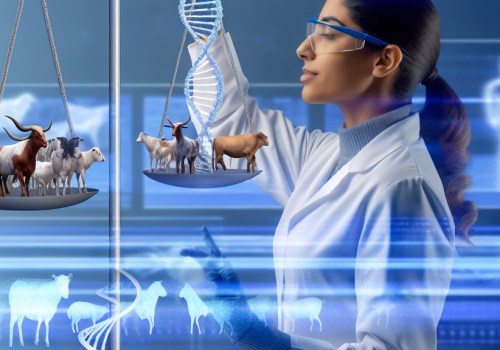
In the realm of animal breeding, the significance of genetic health cannot be overstated. Breeders are tasked with the responsibility of not only enhancing desirable traits but also ensuring that the animals they produce are free from genetic disorders that can compromise their well-being and longevity. The intricate dance of genetics plays a pivotal role in shaping the future of any breed, making it essential for breeders to prioritize genetic health as a foundational element of their programs. Understanding the importance of genetics in animal breeding is crucial for several reasons. First, genetic disorders can lead to serious health issues, affecting not just individual animals but also the overall population.
By focusing on genetic health, breeders can mitigate the risk of these disorders, promoting healthier lineages that thrive in various environments. Furthermore, a commitment to genetic integrity enhances the reputation of breeders and breeds alike, fostering trust among potential buyers and enthusiasts. Moreover, as advancements in genetic testing and technology continue to evolve, breeders are equipped with tools that allow them to make informed decisions about their breeding practices. This proactive approach not only aids in identifying carriers of genetic disorders but also facilitates strategic pairings that enhance desirable traits while minimizing health risks. In essence, prioritizing genetic health is not merely a trend; it is a vital strategy that shapes the future of animal breeding, ensuring that both animals and their owners enjoy a fulfilling and healthy relationship.
Understanding Genetic Disorders in Animals
Genetic disorders in animals are conditions caused by abnormalities in an animal's DNA.These disorders can manifest in various ways, affecting an animal's health, behavior, and overall quality of life. Understanding these disorders is crucial for breeders who aim to produce healthy offspring.
Types of Genetic Disorders
- Single-gene disorders: These are caused by mutations in a single gene and can lead to conditions such as hip dysplasia in dogs or certain inherited eye diseases in cats.
- Chromosomal disorders: These occur due to abnormalities in the number or structure of chromosomes, which can result in conditions like Down syndrome in humans, though similar issues can affect animals.
- Multifactorial disorders: These are influenced by multiple genes and environmental factors, making them complex. Examples include certain types of cancer and heart disease.
Causes of Genetic Disorders
The causes of genetic disorders can be varied:
- Inherited mutations: Many genetic disorders are passed down from parents to offspring. Breeders must be aware of the genetic history of their breeding stock to avoid perpetuating these issues.
- Environmental factors: While genetic predisposition plays a significant role, external factors such as nutrition, exposure to toxins, and overall care can also influence the expression of genetic disorders.
- Random mutations: Sometimes, genetic disorders arise from spontaneous mutations that occur during cell division, which are not inherited but can still affect the individual animal.
Breeding Strategies to Prevent Genetic Disorders
In the realm of animal breeding, implementing effective breeding strategies is crucial for minimizing the risk of genetic disorders.Breeders employ various methods to ensure the health and vitality of their animals, focusing on both genetic diversity and the selection of desirable traits.
Selective Breeding
Selective breeding is one of the most common strategies used by breeders to prevent genetic disorders. This method involves choosing parent animals that exhibit desirable traits while also screening for genetic health. By selecting individuals with a proven history of good health and vigor, breeders can reduce the likelihood of passing on harmful genetic conditions.Outcrossing
Outcrossing, or introducing unrelated genetic material into a breeding program, is another effective strategy. This practice increases genetic diversity within a population, which can help mitigate the risks associated with inbreeding.By bringing in new genes, breeders can enhance the overall health and resilience of their animals, reducing the prevalence of inherited disorders.
Genetic Testing
Advancements in genetic testing have revolutionized how breeders approach genetic disorder prevention. By utilizing DNA tests, breeders can identify carriers of specific genetic conditions before they are bred. This proactive approach allows for informed decision-making, ensuring that only healthy animals are selected for reproduction.Monitoring and Record Keeping
Maintaining detailed records of breeding practices and animal health is essential for effective management of genetic disorders. Breeders should track lineage, health issues, and breeding outcomes to identify patterns that may indicate potential problems.This data-driven approach enables breeders to make adjustments to their programs as needed, further reducing the risk of genetic disorders.In conclusion, by employing strategies such as selective breeding, outcrossing, and utilizing modern genetic testing, breeders can significantly minimize the risk of genetic disorders in their programs. These practices not only promote healthier animals but also contribute to the long-term sustainability of breeding efforts.
Genetic Testing and Screening in Breeding Programs
In the realm of animal breeding, the implementation of genetic testing and screening methods has become a cornerstone for preventing and managing genetic disorders. These techniques allow breeders to identify carriers of genetic conditions before they are included in breeding programs, thereby reducing the risk of passing on hereditary diseases to future generations.Genetic testing
involves analyzing an animal's DNA to detect specific genetic markers associated with known disorders. This process can reveal whether an animal is a carrier of a genetic condition, even if it does not exhibit any symptoms.By utilizing these tests, breeders can make informed decisions about which animals to pair, ensuring that they do not inadvertently breed individuals that could produce offspring with serious health issues.There are several screening methods employed in modern breeding programs:
- DNA Sequencing: This method provides a comprehensive analysis of an animal's genetic makeup, allowing for the identification of mutations linked to various disorders.
- Polymerase Chain Reaction (PCR): PCR is used to amplify specific DNA segments, making it easier to detect genetic abnormalities.
- Genomic Selection: This advanced technique uses genomic information to predict the breeding value of animals, helping breeders select individuals with desirable traits while minimizing the risk of genetic disorders.
The Role of Pedigree Analysis in Managing Genetics
In the realm of animal breeding, pedigree analysis serves as a crucial tool for breeders aiming to manage genetics effectively.By meticulously tracking the lineage of animals, breeders can make informed decisions that significantly reduce the risk of inbreeding and its associated genetic disorders.
Pedigree analysis
involves documenting the ancestry of an animal, which allows breeders to visualize family trees and understand the genetic background of each individual. This practice not only highlights potential genetic strengths but also reveals weaknesses that may be inherited from previous generations.- Identifying Genetic Diversity: By analyzing pedigrees, breeders can assess the genetic diversity within their breeding stock. A diverse gene pool is essential for maintaining healthy populations and minimizing the likelihood of hereditary diseases.
- Avoiding Inbreeding: One of the primary goals of pedigree analysis is to avoid inbreeding, which can lead to a higher incidence of genetic disorders. Breeders can identify closely related animals and make strategic decisions to pair individuals with more distant genetic ties.
- Enhancing Desired Traits: Through careful lineage tracking, breeders can select animals that not only possess desirable traits but also have a history of producing healthy offspring.
This targeted approach helps in enhancing specific characteristics while safeguarding against potential health issues.
Ethical Considerations in Animal Breeding Practices
In the realm of animal breeding, ethical considerations play a crucial role in ensuring the welfare of animals and the integrity of breeding practices.Breeders are increasingly aware of their responsibilities not only to produce healthy animals but also to uphold ethical standards that prioritize animal welfare.One of the primary ethical concerns in responsible breeding is the prevention of genetic disorders. Breeders must implement rigorous screening processes to identify potential genetic issues before they become prevalent in a breeding line. This includes:
- Genetic Testing: Utilizing DNA tests to screen for hereditary conditions allows breeders to make informed decisions about which animals to pair.
- Pedigree Analysis: Studying the lineage of animals helps identify any history of genetic disorders, guiding breeders in their selection process.
- Health Assessments: Regular veterinary check-ups ensure that breeding animals are healthy and free from conditions that could be passed on to offspring.
This includes providing adequate living conditions, proper nutrition, and socialization opportunities for breeding animals. Breeders who prioritize these aspects contribute to the overall well-being of their animals, which can lead to healthier offspring.Another important aspect is the consideration of overpopulation. Responsible breeders often advocate for spaying and neutering pets that are not part of their breeding program, helping to mitigate the issue of unwanted animals in shelters. By promoting adoption and responsible pet ownership, breeders can play a significant role in addressing this ethical dilemma.In conclusion, ethical considerations in animal breeding are multifaceted, involving genetic health management and a commitment to animal welfare.
By adhering to responsible breeding practices, breeders not only enhance the quality of their stock but also contribute positively to the broader community and ecosystem.
Case Studies: Successful Management of Genetic Disorders in Breeding Programs
Successful management of genetic disorders in animal breeding can be illustrated through several case studies that highlight innovative practices and strategies. These examples demonstrate how breeders can effectively mitigate the risks associated with genetic disorders while enhancing the overall health and vitality of their breeding programs.Case Study 1: The Labrador Retriever
The Labrador Retriever breed has faced challenges with genetic disorders such as hip dysplasia and progressive retinal atrophy (PRA). Breeders have implemented a rigorous screening process, utilizing genetic testing to identify carriers of these conditions. By selecting only those dogs that are free from these genetic markers for breeding, they have significantly reduced the incidence of these disorders in subsequent generations.Case Study 2: The Holstein Cow
In dairy farming, the Holstein cow is a prime example of successful genetic management.Through the use of genomic selection, breeders can assess the genetic potential of animals at an early age. This approach allows them to make informed decisions about which cows to breed, focusing on traits that enhance milk production while minimizing the risk of inherited diseases such as mastitis and metabolic disorders.
Case Study 3: The Arabian Horse
The Arabian horse breed has a long history of selective breeding, but recent efforts have focused on managing genetic diversity to prevent disorders like severe combined immunodeficiency (SCID). Breeders have established a comprehensive database that tracks lineage and health records, enabling them to make breeding choices that maintain genetic diversity while avoiding inbreeding.These case studies illustrate that through genetic testing, genomic selection, and careful record-keeping, breeders can successfully manage genetic disorders. By prioritizing health and genetic diversity, they not only improve the welfare of individual animals but also contribute to the sustainability of their breeding programs.Future Trends in Genetic Management for Animal Breeding
As the field of animal breeding continues to evolve, several future trends are emerging that promise to enhance genetic management practices.These innovations aim to improve the health and productivity of livestock while minimizing the risk of genetic disorders.
Genomic Selection
One of the most significant advancements in genetic management is the use of genomic selection. This technique involves analyzing an animal's entire genome to predict its breeding value more accurately. By identifying favorable genetic markers, breeders can make informed decisions that enhance desirable traits while reducing the likelihood of inherited disorders.CRISPR and Gene Editing
The advent of CRISPR technology has opened new avenues for animal breeding. This gene-editing tool allows breeders to make precise modifications to an animal's DNA, potentially correcting genetic defects before they manifest.As regulations around gene editing evolve, its application in livestock breeding could lead to healthier animals and improved production efficiency.
Data-Driven Breeding Programs
The integration of big data and artificial intelligence (AI) into breeding programs is another trend gaining traction. By analyzing vast amounts of data from various sources, including health records and environmental factors, breeders can develop more effective breeding strategies. This data-driven approach enables the identification of optimal breeding pairs that not only enhance productivity but also promote genetic diversity.Focus on Animal Welfare
Future trends in genetic management will also emphasize animal welfare. Breeders are increasingly aware of the ethical implications of their practices and are focusing on traits that contribute to better health and well-being.This shift not only addresses consumer concerns but also aligns with sustainable farming practices.In conclusion, the future of animal breeding is poised for transformation through innovative technologies and a greater emphasis on ethical practices. By embracing these trends, breeders can effectively manage genetic disorders while promoting healthier and more resilient animal populations.
Frequently Asked Questions about Genetic Disorders in Animal Breeding
Animal breeding is a complex field, and understanding how breeders manage genetic disorders is crucial for anyone interested in the health and well-being of animals. Here are some frequently asked questions regarding this topic:What are genetic disorders in animal breeding?
Genetic disorders are conditions caused by abnormalities in an animal's DNA. These can be inherited from parents or arise from mutations.Common examples include hip dysplasia in dogs and certain heart conditions in cats.
How do breeders identify genetic disorders?
- Health screenings: Many breeders conduct health tests on breeding animals to identify potential genetic issues.
- Pedigree analysis: By examining the lineage of animals, breeders can spot patterns of inherited disorders.
- DNA testing: Genetic testing can reveal carriers of specific disorders, allowing breeders to make informed decisions.
What strategies do breeders use to prevent genetic disorders?
- Selective breeding: Breeders often choose mates based on their genetic health, avoiding those with known issues.
- Diversity: Introducing unrelated animals into the breeding program can enhance genetic diversity and reduce the risk of inherited disorders.
- Education: Staying informed about the latest research and best practices helps breeders make better choices.