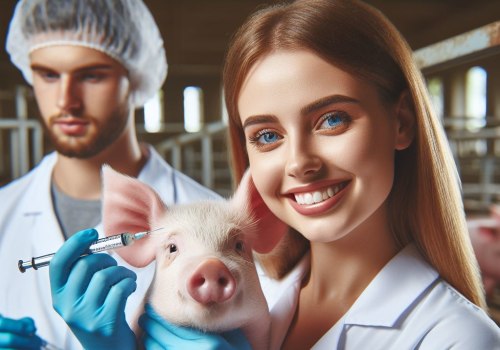
Hybridization in animal breeding is a fascinating and complex process that involves the crossing of different breeds, species, or genetic lines to produce offspring with desirable traits. This practice has been utilized for centuries, but its significance has grown exponentially in modern breeding programs. By understanding the principles of hybridization, breeders can enhance genetic diversity, improve health, and increase productivity in various animal species. The primary goal of hybridization is to combine the best characteristics of two parent animals to create a new generation that exhibits superior qualities. For instance, in livestock production, hybrid animals may show increased growth rates, better feed efficiency, or enhanced disease resistance.
In companion animals, hybridization can lead to improved temperament and physical traits that appeal to pet owners. As such, hybridization plays a crucial role in meeting the demands of both agricultural and domestic animal markets. Moreover, the advent of advanced genetic technologies has revolutionized the way hybridization is approached in animal breeding. Techniques such as artificial insemination and genetic testing allow breeders to make more informed decisions about which animals to cross. This not only maximizes the potential for successful outcomes but also minimizes the risks associated with inbreeding and genetic disorders.
As we delve deeper into the world of hybridization, it becomes clear that this practice is not just a method of breeding; it is a vital tool for enhancing the future of animal husbandry.
What is Hybridization?
Hybridization is a biological process that involves the crossing of two different species or varieties to produce offspring with a mix of traits from both parents. This technique is widely utilized in animal breeding to enhance desirable characteristics, improve genetic diversity, and increase resilience against diseases.The meaning of hybridization extends beyond mere reproduction; it encompasses the genetic blending that occurs when two distinct genetic lineages come together. This can lead to the emergence of new traits that may not be present in either parent, offering exciting possibilities for breeders.Types of Hybridization
- Interspecific Hybridization: This type occurs between different species. For example, crossing a horse and a donkey results in a mule, which is typically sterile but exhibits unique traits such as strength and endurance.
- Intraspecific Hybridization: This involves breeding within the same species but between different breeds or varieties.
An example is the crossbreeding of different dog breeds to create hybrids like Labradoodles, which combine traits from both Labrador Retrievers and Poodles.
The Science Behind Hybridization
Hybridization in animal breeding is a fascinating process that hinges on several key genetic principles. At its core, hybridization involves the crossing of two genetically distinct individuals, leading to offspring that may exhibit traits from both parent species.This process is not merely a matter of chance; it is deeply rooted in the science of genetics.
Gene flow
is one of the fundamental concepts that underpins hybridization. It refers to the transfer of genetic material between populations, which can occur through various means such as migration or interbreeding. In animal breeding, gene flow can introduce new alleles into a population, enhancing genetic diversity and potentially improving traits such as disease resistance or growth rates.Another critical aspect is genetic diversity. A diverse gene pool is essential for the health and adaptability of animal populations.Hybridization can increase this diversity by combining different genetic backgrounds, which may lead to hybrid vigor or heterosis. This phenomenon often results in offspring that are more robust and have improved performance compared to their purebred counterparts.The role of DNA in hybridization cannot be overstated. Advances in molecular genetics have allowed breeders to analyze the genetic makeup of animals with unprecedented precision. Techniques such as DNA sequencing and genotyping enable breeders to identify desirable traits and select parent animals that will produce offspring with optimal characteristics.In summary, the science behind hybridization in animal breeding is a complex interplay of gene flow, genetic diversity, and DNA analysis.
By understanding these principles, breeders can make informed decisions that enhance the quality and resilience of their livestock, ultimately contributing to more sustainable agricultural practices.
Applications of Hybridization in Animal Breeding
Hybridization in animal breeding has become a pivotal technique for enhancing various traits in livestock and companion animals. By crossing different breeds or species, breeders can harness the strengths of each to produce offspring with desirable characteristics.Improved Traits
One of the primary applications of hybridization is the improvement of specific traits. For instance, hybrid vigor, or heterosis, often results in offspring that exhibit superior growth rates, fertility, and overall health compared to their parents. This is particularly evident in cattle breeding, where crossbreeding between different breeds can lead to enhanced milk production and better meat quality.Disease Resistance
Another significant benefit of hybridization is the potential for increased disease resistance.By introducing genetic diversity through hybridization, animals may inherit traits that make them more resilient to diseases. For example, certain hybrid poultry breeds have shown improved resistance to avian influenza, which is crucial for maintaining healthy flocks and ensuring food security.
Enhanced Productivity
Hybridization also plays a critical role in boosting productivity across various animal species. In aquaculture, hybrid fish species are often developed to grow faster and utilize feed more efficiently. This not only maximizes yield but also contributes to sustainable practices by reducing the environmental impact associated with traditional farming methods.Conclusion
The applications of hybridization in animal breeding are vast and varied, offering numerous benefits that extend beyond mere aesthetic improvements.By focusing on enhanced traits, disease resistance, and productivity, breeders can contribute significantly to the efficiency and sustainability of animal agriculture.
Techniques Used in Hybridization
Hybridization in animal breeding involves various techniques that enhance genetic diversity and improve desirable traits in livestock and pets. Understanding these methods is crucial for breeders aiming to achieve specific outcomes.Artificial Insemination
One of the most widely used techniques in hybridization is artificial insemination. This method allows breeders to introduce sperm from a selected male into the reproductive tract of a female without the need for natural mating. The advantages of artificial insemination include:- Genetic Diversity: Breeders can access a wider gene pool by using sperm from distant or superior males.
- Control Over Breeding: It allows for precise timing and control over the breeding process, increasing the chances of successful fertilization.
- Health Management: Reduces the risk of transmitting diseases that can occur during natural mating.
Embryo Transfer
Embryo transfer is another advanced technique used in hybridization.This process involves fertilizing an egg in vitro and then transferring the resulting embryo into a surrogate mother. Key benefits include:
- Maximizing Genetic Potential: A single female can produce multiple offspring from superior genetics, significantly increasing productivity.
- Preservation of Rare Breeds: This method can help conserve endangered species by allowing for controlled breeding programs.
Selective Breeding Methods
Selective breeding is a traditional yet effective technique where animals with desirable traits are chosen to mate. This method focuses on enhancing specific characteristics such as growth rate, disease resistance, or reproductive performance. The process typically involves:- Identifying Traits: Breeders must first identify which traits are most beneficial for their breeding goals.
- Selecting Parent Animals: Only those animals that exhibit the desired traits are selected for breeding.
- Monitoring Offspring: The resulting offspring are evaluated to ensure that the desired traits are being passed on effectively.
Case Studies: Successful Hybrid Breeding Programs
Hybrid breeding programs have gained traction in the field of animal breeding, leading to remarkable outcomes across various species.These programs often aim to combine desirable traits from different breeds or species, resulting in hybrids that exhibit enhanced performance, resilience, or adaptability.
Case Study 1: The Liger
The liger, a hybrid of a male lion and a female tiger, is one of the most famous examples of successful hybridization. This hybrid exhibits characteristics from both parent species, such as the lion's size and the tiger's stripes. Ligers are known for their impressive growth rates and can weigh over 1,000 pounds. They have been used in educational settings to raise awareness about conservation issues related to both lions and tigers.Case Study 2: The Beefalo
Another notable example is the beefalo, a cross between domestic cattle and the American bison.This hybrid was developed to create an animal that possesses the hardiness of bison while maintaining the meat quality of cattle. Beefalo are known for their lower fat content and higher protein levels compared to traditional beef. This hybrid has gained popularity among ranchers looking for sustainable meat production options.
Case Study 3: The Zorse
The zorse, a cross between a zebra and a horse, showcases how hybridization can produce unique traits. Zorses inherit the zebra's distinctive stripes and the horse's size and strength.While they are typically sterile, zorses are often used in tourism and educational programs to highlight biodiversity and the importance of conservation efforts.These case studies illustrate how hybrid breeding can lead to successful outcomes that benefit both agriculture and conservation. By understanding the genetic advantages of hybrids, breeders can make informed decisions that enhance productivity while promoting genetic diversity.
Challenges and Ethical Considerations in Hybridization
Hybridization in animal breeding presents a range of challenges and ethical considerations that must be carefully navigated. One of the primary concerns is the potential for health issues in hybrid animals. When two different breeds or species are crossed, the resulting hybrids may inherit genetic disorders or health problems from either parent.This is particularly evident in cases where the parent breeds have been selectively bred for specific traits, leading to a limited gene pool and increased vulnerability to diseases.Moreover, hybrids can sometimes exhibit reduced fitness, meaning they may not thrive as well as their purebred counterparts. This can manifest in lower reproductive success, higher susceptibility to environmental stressors, and overall decreased longevity. Such health implications raise significant ethical questions about the responsibility of breeders to ensure the well-being of the animals they produce.
Ecological Impacts
Another critical aspect to consider is the ecological impact of hybridization. Introducing hybrids into wild populations can disrupt local ecosystems.For instance, hybrids may outcompete native species for resources, leading to declines in biodiversity. This is particularly concerning when hybrids possess traits that make them more adaptable or aggressive than their purebred relatives.
Ethical Issues
The ethical implications of hybridization extend beyond individual animal welfare to broader societal concerns. Many argue that breeding practices should prioritize the health and natural behaviors of animals rather than merely focusing on aesthetic or economic gains. The potential for exploitation in animal breeding raises questions about the moral obligations of breeders and the need for regulations that protect both animals and ecosystems.In conclusion, while hybridization can offer benefits such as increased genetic diversity and improved traits, it is essential to address the associated challenges and ethical considerations.Breeders must weigh these factors carefully to ensure that their practices contribute positively to both animal welfare and ecological balance.
Future Trends in Hybridization and Animal Breeding
The future of animal breeding is poised for significant transformation, driven by advancements in technology and a deeper understanding of genetics. As we look ahead, several key trends in hybridization and breeding techniques are emerging that promise to enhance productivity, sustainability, and animal welfare.Innovations in Breeding Techniques
One of the most exciting developments is the integration of genetic engineering and genome editing technologies, such as CRISPR-Cas9. These tools allow breeders to make precise modifications to an animal's DNA, enabling the introduction of desirable traits without the lengthy process associated with traditional hybridization methods. For instance, researchers are exploring ways to enhance disease resistance in livestock, which could lead to healthier animals and reduced reliance on antibiotics.Sustainable Practices
As global demand for animal products continues to rise, sustainability has become a critical focus in animal breeding. Future trends indicate a shift towards breeding programs that prioritize not only productivity but also environmental impact.This includes selecting for traits that improve feed efficiency and reduce greenhouse gas emissions. By utilizing hybridization techniques that emphasize these traits, breeders can contribute to more sustainable agricultural practices.
Data-Driven Decision Making
The use of big data and artificial intelligence (AI) is revolutionizing how breeders approach hybridization. By analyzing vast amounts of genetic data, breeders can make informed decisions about which animals to pair for optimal results. This data-driven approach allows for more accurate predictions of offspring performance and health, ultimately leading to better breeding outcomes.Consumer Preferences and Ethical Considerations
As consumers become more aware of animal welfare issues, there is a growing demand for transparency in animal breeding.Future trends will likely see an increase in breeding practices that align with ethical standards and consumer preferences. This may include the development of breeds that are better suited for free-range environments or those that exhibit improved welfare traits.In conclusion, the future of hybridization and animal breeding is bright, with innovations in technology paving the way for more efficient, sustainable, and ethical practices. As these trends continue to evolve, they will undoubtedly shape the landscape of animal agriculture for years to come.
Frequently Asked Questions about Hybridization in Animal Breeding
Hybridization in animal breeding often raises numerous questions and misconceptions. Here are some frequently asked questions that can help clarify this complex topic:- What is hybridization? Hybridization refers to the process of crossing two different breeds, species, or varieties to produce offspring with desired traits.
This technique is commonly used in animal breeding to enhance specific characteristics such as growth rate, disease resistance, or adaptability.
- Are hybrids always fertile? Not all hybrids are fertile. While some hybrid animals, like mules (a cross between a horse and a donkey), are sterile, others can reproduce. The fertility of hybrids depends on the genetic compatibility of the parent species.
- What are the benefits of hybridization? Hybridization can lead to increased genetic diversity, improved health, and enhanced performance traits in animals. For example, hybrid vigor, or heterosis, often results in offspring that outperform their parents in various aspects.
- Is hybridization the same as crossbreeding? While both terms involve breeding different genetic lines, hybridization typically refers to crossing different species or genera, whereas crossbreeding usually involves different breeds within the same species.
- Are there ethical concerns with hybridization? Yes, there are ethical considerations regarding animal welfare and the potential for unintended consequences.
It is crucial for breeders to prioritize the health and well-being of the animals involved.
Conclusion: The Importance of Understanding Hybridization in Animal Breeding
In conclusion, understanding hybridization is crucial for anyone involved in animal breeding. Throughout this article, we have explored how hybridization serves as a powerful tool to enhance genetic diversity, improve desirable traits, and increase the overall health of animal populations. By combining the strengths of different breeds, breeders can create offspring that exhibit superior characteristics, such as better growth rates, disease resistance, and adaptability to various environments.Moreover, the implications of hybridization extend beyond mere physical traits.It plays a significant role in conservation efforts, helping to preserve endangered species by introducing genetic variation that can bolster their survival. This aspect is particularly important in today’s world, where habitat loss and climate change threaten many animal populations.As we have discussed, the process of hybridization is not without its challenges. Breeders must be aware of potential issues such as inbreeding depression and the ethical considerations surrounding crossbreeding practices. Therefore, a thorough understanding of genetics and careful planning are essential to ensure that hybridization efforts yield positive outcomes.In summary, the importance of hybridization in animal breeding cannot be overstated.
It offers a pathway to innovation in breeding practices that can lead to healthier, more resilient animal populations. As the field continues to evolve with advancements in genetic research and technology, staying informed about hybridization will empower breeders to make informed decisions that benefit both their animals and the broader ecosystem.