Selective breeding is a powerful technique that has been utilized for centuries in the realm of animal breeding. This method involves choosing specific animals with desirable traits to reproduce, thereby enhancing those traits in future generations. By focusing on genetic selection, breeders can improve various characteristics such as size, temperament, and disease resistance, ultimately leading to healthier and more productive livestock. The significance of selective breeding in animal husbandry cannot be overstated. It plays a crucial role in meeting the growing demands for food production while ensuring the sustainability of animal populations.
Through careful selection, farmers can create breeds that are better suited to their environments and more efficient in converting feed into meat, milk, or eggs. This not only benefits the agricultural industry but also contributes to food security on a global scale. As we delve deeper into the intricacies of selective breeding, it becomes clear that this practice is not merely about choosing the largest or fastest animals. It encompasses a comprehensive understanding of genetics and the implications of breeding choices on future generations. The journey through selective breeding reveals a fascinating intersection of science and agriculture, where the potential for innovation continues to grow.
What is Selective Breeding?
Selective breeding is a powerful technique used in animal breeding that involves choosing specific animals with desirable traits to reproduce, thereby enhancing those traits in future generations.This method has been employed for centuries, allowing breeders to cultivate animals that exhibit characteristics such as improved growth rates, better disease resistance, and enhanced reproductive performance.The primary goal of selective breeding is to produce offspring that possess specific, favorable traits. These traits can range from physical attributes, like size and color, to behavioral characteristics, such as temperament and trainability. By carefully selecting parent animals based on these criteria, breeders can significantly influence the genetic makeup of the next generation.
Definition of Selective Breeding
In essence, selective breeding is the process of mating animals with particular phenotypes to produce offspring that inherit those desired traits. This practice is grounded in the principles of genetics and heredity, where certain genes are passed down from parents to their offspring.The selection process can be based on various factors:
- Phenotypic selection: Choosing animals based on observable traits.
- Genotypic selection: Selecting animals based on their genetic information.
- Performance testing: Evaluating animals based on their productivity or efficiency in specific tasks.
The Science Behind Selective Breeding
Selective breeding is a powerful tool in animal breeding that leverages the principles of genetics to enhance desirable traits in livestock and pets. At its core, this practice involves choosing specific animals to reproduce based on their genetic characteristics, thereby influencing the genetic makeup of future generations.Genetics of Selective Breeding
The foundation of selective breeding lies in understanding inheritance patterns. Traits are passed from parents to offspring through genes, which are segments of DNA.
Each animal carries two alleles for each gene—one inherited from each parent. The combination of these alleles determines the expression of traits, such as size, color, or temperament.By selecting parent animals with favorable alleles, breeders can increase the likelihood that their offspring will inherit these desirable traits. For example, if a breeder wants to produce larger cattle, they may choose to mate the largest individuals in their herd, thereby promoting the genes associated with size.
How Selective Breeding Works
The process begins with identifying the traits that are beneficial for the specific purpose of breeding. This could include factors like disease resistance, growth rate, or reproductive efficiency.
Once these traits are identified, breeders conduct careful pairings based on genetic evaluations and pedigree analysis.
- Phenotypic Selection: Breeders often start by selecting animals that exhibit the desired physical characteristics.
- Genotypic Selection: Advanced techniques involve genetic testing to identify animals with superior genetic potential.
- Crossbreeding: In some cases, breeders may introduce unrelated genetic material to enhance diversity and vigor.
Methods of Selective Breeding
Selective breeding is a powerful tool in animal breeding that allows breeders to enhance specific traits in animals. There are several methods employed in this process, each with its unique applications and benefits.Artificial Selection
One of the most common methods of selective breeding is artificial selection.This technique involves choosing parent animals with desirable traits to produce offspring. For example, a farmer may select cows that produce the most milk or chickens that lay the largest eggs. By consistently selecting these traits over generations, breeders can significantly improve the quality and productivity of their livestock.
Crossbreeding
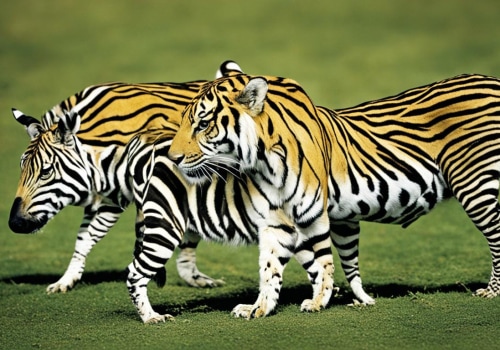
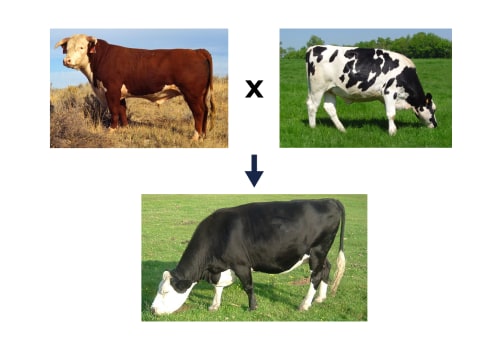
Crossbreeding is another effective method where two different breeds are mated to create a hybrid. This approach can introduce new genetic material into a population, enhancing traits such as disease resistance or growth rate.For instance, crossing a fast-growing breed of fish with one that has better disease resistance can result in offspring that thrive in various environments.
Inbreeding and Line Breeding
While often controversial, inbreeding and line breeding are also methods used in selective breeding. Inbreeding involves mating closely related animals to preserve specific traits within a breed. However, it can lead to health issues due to a lack of genetic diversity. Line breeding, on the other hand, is a more controlled form of inbreeding that aims to maintain desirable traits while minimizing health risks.Genetic Engineering
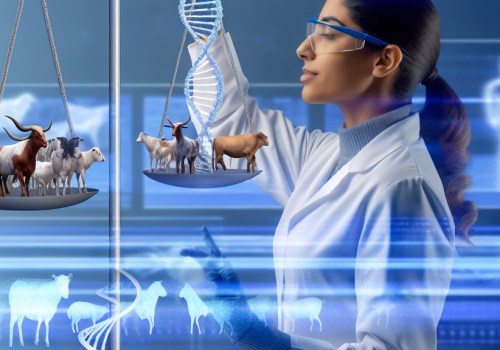
With advancements in technology, genetic engineering has emerged as a modern method of selective breeding.This technique allows scientists to directly modify an animal's DNA to express desired traits. For example, researchers can insert genes responsible for disease resistance into livestock, potentially revolutionizing animal agriculture.In conclusion, the methods of selective breeding—ranging from traditional techniques like artificial selection and crossbreeding to modern approaches like genetic engineering—play a crucial role in enhancing animal breeds for various purposes. Understanding these methods helps breeders make informed decisions that can lead to healthier and more productive animals.
Benefits of Selective Breeding
Selective breeding offers numerous benefits that significantly enhance the quality and productivity of animal populations. By carefully choosing which animals to breed based on desirable traits, farmers and breeders can achieve remarkable improvements in various aspects of animal husbandry.Enhanced Productivity
One of the primary advantages of selective breeding is the enhanced productivity of livestock.For instance, dairy cows that are selectively bred for higher milk production can yield significantly more milk than their non-selected counterparts. Similarly, meat-producing animals can be bred for faster growth rates and better feed conversion ratios, leading to increased efficiency in meat production.
Disease Resistance
Another critical benefit is the potential for disease resistance. Through selective breeding, animals can be chosen for their genetic resistance to specific diseases. This not only improves the health and longevity of the animals but also reduces the need for antibiotics and other medications, promoting a more sustainable approach to animal farming.Improved Animal Welfare
Selective breeding can also lead to improved animal welfare.By selecting for traits that enhance comfort and reduce stress, such as temperament and adaptability to environmental conditions, breeders can create animals that thrive in their surroundings. This focus on welfare not only benefits the animals themselves but also enhances the overall productivity of farming operations.
Conclusion
In summary, the advantages of animal breeding through selective practices are manifold. From increased productivity and disease resistance to improved welfare, these benefits underscore the importance of selective breeding in modern agriculture. As we continue to face challenges in food production and sustainability, harnessing these advantages will be crucial for future advancements in animal husbandry.Challenges and Ethical Considerations
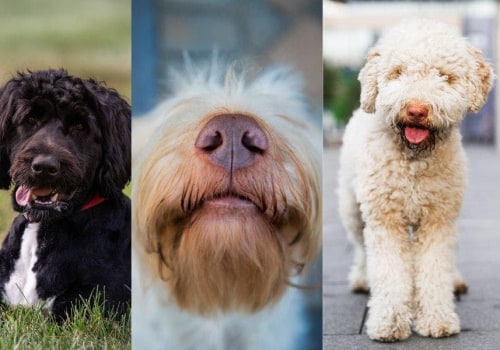
Selective breeding, while beneficial in many ways, presents a range of challenges and ethical considerations that must be addressed.One of the primary challenges is the potential for genetic disorders. By focusing on specific traits, breeders may inadvertently increase the prevalence of hereditary health issues within a population. For instance, certain dog breeds are prone to conditions like hip dysplasia or respiratory problems due to their selective breeding for physical characteristics.Another significant concern is the impact on animal welfare. The process of selective breeding can lead to animals that are physically or behaviorally unsuited for their environments.
For example, some breeds may have exaggerated features that hinder their ability to function normally, such as brachycephalic dogs that struggle to breathe due to their short snouts. This raises questions about the responsibility of breeders to prioritize the well-being of the animals over aesthetic or performance traits.
Ethical Issues in Animal Breeding
The ethical implications of animal breeding extend beyond health concerns. Many argue that selective breeding can lead to a loss of genetic diversity, which is crucial for the resilience of species. A narrow gene pool can make populations more susceptible to diseases and environmental changes, ultimately threatening their survival.Moreover, there is an ongoing debate about the morality of breeding animals for specific traits that may not align with their natural behaviors or needs.For instance, breeding animals for docility or specific appearances can compromise their instincts and overall quality of life.
- Genetic Disorders: Increased risk of hereditary health issues.
- Animal Welfare: Physical and behavioral unsuitability due to selective traits.
- Loss of Genetic Diversity: Increased vulnerability to diseases and environmental changes.
- Moral Considerations: Compromising natural behaviors for human preferences.
Case Studies in Selective Breeding
Selective breeding has been a cornerstone of agricultural and animal husbandry practices for centuries, leading to remarkable advancements in various species. Here are some notable case studies that exemplify the effectiveness of this technique.1.The Development of the Modern Dairy Cow
One of the most significant examples of selective breeding is the development of the modern dairy cow, particularly the Holstein breed. Through careful selection for traits such as milk production, fat content, and overall health, breeders have transformed Holsteins into highly productive animals.Today, these cows can produce over 22,000 pounds of milk annually, a testament to the power of animal breeding practices.
2.The Labrador Retriever
The Labrador Retriever is another prime example of successful selective breeding. Originally bred for their retrieving abilities and friendly temperament, breeders focused on enhancing these traits. As a result, Labradors are now one of the most popular dog breeds in the United States, known for their intelligence and sociability. This case illustrates how selective breeding can not only enhance physical characteristics but also behavioral traits.3.Disease Resistance in Chickens
In poultry farming, selective breeding has been employed to enhance disease resistance among chickens.For instance, researchers have successfully bred chickens that are resistant to avian influenza. By selecting birds that show natural resistance to this virus, breeders have created flocks that are less susceptible to outbreaks, thereby improving overall flock health and reducing economic losses.
4.The American Quarter Horse
The American Quarter Horse is renowned for its speed and agility in short-distance races. Through selective breeding focusing on performance traits, breeders have developed horses that excel in various equestrian disciplines. This breed's success highlights how targeted breeding can lead to specialized capabilities in animals.These case studies demonstrate that selective breeding is not just a theoretical concept but a practical application with real-world benefits.By understanding and implementing selective breeding techniques, farmers and breeders can enhance desirable traits in animals, leading to improved productivity and health across various species.
Future Trends in Selective Breeding
The future of selective breeding is poised for significant transformation, driven by advancements in animal genetics and the integration of biotechnology. As we look ahead, several key trends are emerging that promise to enhance the efficiency and effectiveness of breeding programs.Advancements in Genetic Technologies
One of the most exciting developments is the use of genome editing techniques, such as CRISPR-Cas9. This technology allows for precise modifications to an animal's DNA, enabling breeders to eliminate genetic disorders or enhance desirable traits with unprecedented accuracy. For instance, researchers are exploring ways to increase disease resistance in livestock, which could lead to healthier animals and reduced reliance on antibiotics.Integration of Big Data and AI
The incorporation of big data analytics and artificial intelligence (AI) into breeding programs is another trend that is gaining momentum. By analyzing vast amounts of genetic, phenotypic, and environmental data, breeders can make more informed decisions about which animals to pair.This data-driven approach not only improves the selection process but also accelerates the rate of genetic gain.
Sustainable Practices
As global awareness of sustainability grows, future selective breeding efforts will likely focus on creating animals that are more efficient in resource use. Breeders are increasingly looking at traits that enhance feed efficiency and reduce greenhouse gas emissions. This shift not only addresses environmental concerns but also meets consumer demand for sustainably produced animal products.Ethical Considerations
With these advancements come important ethical considerations. The potential for genetic manipulation raises questions about animal welfare and biodiversity.Future discussions around animal breeding will need to balance innovation with ethical responsibility, ensuring that practices do not compromise the well-being of animals or the ecosystems they inhabit.In conclusion, the future of selective breeding is bright, characterized by technological advancements that promise to revolutionize how we approach animal genetics. By embracing these trends, breeders can contribute to a more sustainable and efficient agricultural system while addressing ethical concerns head-on.
Frequently Asked Questions about Selective Breeding
Selective breeding is a fascinating topic that often raises numerous questions. Here are some of the most frequently asked questions about animal breeding and selective breeding.- What is selective breeding?
Selective breeding is the process of choosing specific animals with desirable traits to reproduce, thereby enhancing those traits in future generations. This method is commonly used in agriculture and animal husbandry to improve productivity, health, and temperament. - How does selective breeding differ from natural selection?
While natural selection occurs naturally over time, favoring traits that enhance survival and reproduction, selective breeding is a human-directed process.It involves intentional choices made by breeders to achieve specific outcomes.
- What are some common misconceptions about selective breeding?
One common misconception is that selective breeding always leads to positive outcomes. In reality, it can also result in unintended consequences, such as reduced genetic diversity or the emergence of hereditary health issues. - Can selective breeding be used for conservation purposes?
Yes, selective breeding can play a role in conservation efforts. By carefully selecting individuals from endangered species to breed, conservationists can help increase population numbers and enhance genetic diversity. - Is selective breeding ethical?
The ethics of selective breeding are debated. While it can lead to beneficial traits in domesticated animals, concerns arise regarding animal welfare and the potential for health problems associated with extreme traits.
If you have more questions or need further clarification, feel free to explore additional resources or consult with experts in the field.
Conclusion: The Impact of Selective Breeding on Animal Populations
In conclusion, selective breeding plays a pivotal role in shaping the characteristics of animal populations, significantly impacting both agricultural practices and biodiversity. By intentionally choosing parent animals with desirable traits, breeders can enhance specific qualities such as growth rate, disease resistance, and temperament. This process not only improves productivity but also contributes to the overall health and sustainability of livestock.Throughout this article, we have explored various aspects of animal breeding, including:- The fundamental principles of selective breeding and its historical context.
- The methods employed in selective breeding, such as crossbreeding and inbreeding.
- The ethical considerations surrounding selective breeding practices.
- The potential risks associated with reduced genetic diversity.
It allows for the development of animal breeds that are better suited to changing environments and consumer demands.Moreover, it is essential to balance the benefits of selective breeding with the need to maintain genetic diversity within animal populations. This balance ensures that we do not compromise the long-term viability of species while striving for immediate gains in productivity.In summary, selective breeding is a powerful tool that, when used responsibly, can lead to remarkable advancements in animal agriculture. By fostering a deeper understanding of its mechanisms and implications, we can make informed decisions that benefit both producers and consumers alike.