Understanding the role of genetics in animal breeding is crucial for anyone interested in improving livestock, pets, or wildlife populations. Genetics serves as the foundation for how traits are inherited and expressed in animals, influencing everything from physical characteristics to behavioral tendencies. By delving into the principles of inheritance, breeders can make informed decisions that enhance desirable traits while minimizing undesirable ones. The study of genetics reveals that traits are determined by genes, which are segments of DNA passed from parents to offspring. These genes can dictate a wide array of characteristics, such as coat color, size, and even temperament.
In animal breeding, understanding these genetic principles allows breeders to select individuals that carry specific traits, thereby increasing the likelihood that these traits will be passed on to future generations. Moreover, advancements in genetic research have opened new avenues for animal breeding. Techniques such as genetic testing and selective breeding enable breeders to identify and propagate animals with favorable traits more efficiently. This not only enhances the quality of the breed but also contributes to the overall health and sustainability of animal populations. As we explore the intricate relationship between genetics and animal breeding, it becomes evident that a solid grasp of genetic principles is essential for anyone looking to make significant improvements in their breeding programs.
The Basics of Genetics in Animals
Understanding the role of genetics in determining an animal's traits begins with the basic building blocks of life: DNA, genes, and chromosomes.These components work together to influence everything from physical characteristics to behavioral tendencies in animals.
DNA
, or deoxyribonucleic acid, is the molecule that carries the genetic instructions for all living organisms. It is structured as a double helix and consists of sequences of nucleotides, which are the basic units of genetic information. Each sequence encodes specific traits, such as coat color, size, and even temperament.Genes
are segments of DNA that serve as templates for producing proteins, which play crucial roles in the development and functioning of an organism. Each gene can have different variations, known as alleles, which can lead to variations in traits.For example, a single gene may determine whether a dog has a short or long coat, depending on the alleles inherited from its parents.
Chromosomes
are structures within cells that organize and package DNA. In animals, chromosomes come in pairs; one set is inherited from each parent. The total number of chromosomes varies by species—humans have 46, while dogs have 78. The arrangement and number of chromosomes can significantly impact an animal's traits and overall health.The interplay between these genetic components is essential for animal breeding. Breeders often select animals based on desirable traits, aiming to enhance or eliminate specific characteristics in future generations.By understanding how genes and chromosomes influence traits, breeders can make informed decisions that align with their breeding goals.In summary, a solid grasp of animal genetics, including the roles of DNA, genes, and chromosomes, is vital for anyone interested in animal breeding. This foundational knowledge not only aids in selecting breeding pairs but also helps predict potential outcomes in offspring.
How Traits are Inherited in Animals
Understanding how traits are inherited in animals is crucial for effective animal breeding. The inheritance of traits follows specific patterns, primarily governed by the principles of Mendelian genetics. Gregor Mendel, through his experiments with pea plants, established foundational concepts that apply to many organisms, including animals.At the core of Mendelian genetics are two types of traits: dominant and recessive.A dominant trait is one that will manifest in the phenotype even if only one copy of the gene is present. In contrast, a recessive trait requires two copies of the gene to be expressed. For example, if a dog inherits a dominant gene for a certain coat color from one parent and a recessive gene from the other, the dominant trait will be visible in the dog's appearance.
Inheritance Patterns
Inheritance patterns can be categorized into several types:- Autosomal Dominant: Only one copy of the dominant allele is needed for the trait to be expressed. An example is certain inherited diseases in dogs.
- Autosomal Recessive: Two copies of the recessive allele must be present for the trait to appear.
This pattern is often seen in genetic disorders.
- X-Linked Traits: These traits are associated with genes on the X chromosome and can exhibit different patterns in males and females.
The Role of Selective Breeding in Animal Traits
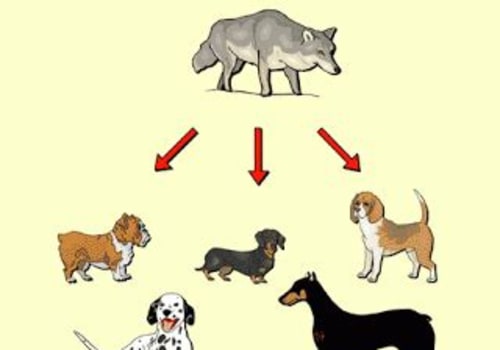
Selective breeding, also known as artificial selection, is a powerful tool used in animal breeding to enhance specific traits within a population. This practice involves choosing parent animals with desirable characteristics to produce offspring that exhibit those traits.By carefully selecting which animals to breed, breeders can influence the genetic makeup of future generations, leading to significant improvements in various attributes such as size, temperament, and disease resistance.One of the primary goals of selective breeding is to amplify desirable traits while minimizing undesirable ones. For instance, in livestock production, farmers may select for traits like higher milk yield in dairy cows or faster growth rates in meat-producing animals. This targeted approach not only improves productivity but also contributes to the overall health and welfare of the animals.
Breeding Programs and Their Impact
Structured breeding programs are essential for achieving consistent results in selective breeding. These programs often involve:- Genetic evaluation: Assessing the genetic potential of animals through pedigree analysis and performance records.
- Controlled mating: Pairing animals based on their genetic compatibility to enhance specific traits.
- Monitoring offspring: Evaluating the traits of the offspring to ensure that the desired characteristics are being passed on.
Advances in genetic research have provided breeders with tools such as DNA testing, which allows for more precise selection of breeding pairs. This scientific approach not only increases the efficiency of breeding programs but also helps in maintaining genetic diversity within populations, which is crucial for long-term sustainability.In conclusion, selective breeding plays a vital role in shaping the traits of domesticated animals. By leveraging genetic principles and implementing structured breeding programs, breeders can effectively enhance desirable characteristics, ensuring that animal populations meet both economic demands and welfare standards.
Genetic Variation and Its Importance in Breeding
Genetic variation is a fundamental aspect of animal breeding that significantly influences the success of breeding programs. It refers to the differences in DNA sequences among individuals within a population, which can lead to a wide range of traits, including physical characteristics, behavior, and disease resistance.This variation is crucial for maintaining biodiversity, as it allows populations to adapt to changing environments and resist various health challenges.In breeding programs, the presence of genetic variation is essential for several reasons:
- Health and Resilience: A genetically diverse population is less susceptible to diseases and genetic disorders. When animals are bred from a limited gene pool, they may inherit harmful recessive traits that can lead to health issues.
- Adaptability: Genetic variation enables populations to adapt to environmental changes. For instance, animals with diverse genetic backgrounds may possess traits that allow them to thrive in different climates or resist specific pathogens.
- Improved Breeding Outcomes: Breeding programs that prioritize genetic diversity often yield better results. By introducing new genetic material into a breeding line, breeders can enhance desirable traits such as growth rate, fertility, and overall vigor.
A diverse gene pool contributes to the stability of animal populations and helps preserve species from extinction. Therefore, successful animal breeding strategies must incorporate methods that promote genetic variation, such as crossbreeding and the careful selection of breeding pairs.In conclusion, understanding the role of genetic variation in animal breeding is vital for developing robust breeding programs that ensure the health and sustainability of animal populations. By fostering diversity, breeders can enhance not only the traits of individual animals but also contribute positively to the broader ecological landscape.
Modern Techniques in Animal Genetics and Breeding
In recent years, advancements in animal genetics have transformed the landscape of animal breeding, enabling breeders to make more informed decisions about trait selection. Two of the most significant modern techniques are genetic testing and CRISPR technology.Genetic Testing
Genetic testing involves analyzing an animal's DNA to identify specific genes associated with desirable traits.This process allows breeders to:
- Identify genetic disorders: By screening for known genetic conditions, breeders can avoid mating animals that carry harmful genes.
- Select for desirable traits: Genetic testing helps in selecting animals with superior traits such as growth rate, disease resistance, and reproductive efficiency.
- Enhance genetic diversity: Understanding the genetic makeup of a population can help maintain diversity, which is crucial for long-term sustainability.
CRISPR Technology
CRISPR, or Clustered Regularly Interspaced Short Palindromic Repeats, is a groundbreaking tool that allows for precise editing of an organism's genome. This technology has several applications in animal breeding, including:- Targeted gene editing: Breeders can modify specific genes to enhance traits such as growth rates or disease resistance without introducing foreign DNA.
- Accelerated breeding cycles: By directly editing genes, CRISPR can significantly reduce the time required to develop new breeds with desired characteristics.
- Ethical considerations: While CRISPR offers exciting possibilities, it also raises ethical questions regarding genetic modifications and their long-term impacts on animal welfare.
Ethical Considerations in Animal Breeding and Genetics
The practice of animal breeding has long been intertwined with ethical considerations, particularly as advancements in genetics allow for more precise manipulation of traits.As breeders increasingly utilize genetic technologies, the implications for animal welfare and the broader societal impact become critical points of discussion.One of the primary ethical concerns revolves around the potential for genetic manipulation to prioritize certain traits at the expense of others. For instance, breeding animals for specific physical characteristics can lead to health issues, such as respiratory problems in brachycephalic breeds or joint disorders in heavily muscled livestock. These outcomes raise questions about the responsibility of breeders to ensure that their practices do not compromise the well-being of the animals.
Animal Welfare and Breeding Practices
Animal welfare advocates argue that breeding should focus on enhancing the quality of life for animals rather than merely achieving aesthetic or performance goals. This perspective emphasizes the need for breeders to consider:- Health and Longevity: Prioritizing traits that contribute to overall health and lifespan.
- Behavioral Traits: Selecting for temperament and social behaviors that promote better interactions with humans and other animals.
- Environmental Adaptability: Breeding animals that can thrive in various environments, reducing stress and improving welfare.
The commercialization of genetically modified organisms (GMOs) raises concerns about biodiversity and ecological balance. As certain breeds become more popular due to their desirable traits, there is a risk of diminishing genetic diversity within species, which can lead to vulnerabilities in populations.In conclusion, while animal breeding offers exciting possibilities through genetic advancements, it is imperative that breeders navigate these waters with a strong ethical framework. Balancing the pursuit of desirable traits with a commitment to animal welfare and ecological integrity is essential for responsible breeding practices.
Conclusion: The Interplay of Genetics and Animal Breeding Success
In conclusion, the intricate relationship between genetics and animal breeding plays a pivotal role in shaping the traits of various species. Understanding this relationship is essential for breeders aiming to enhance desirable characteristics while minimizing genetic disorders.Throughout this article, we have explored how genetic principles govern the inheritance of traits, emphasizing the significance of selective breeding practices.By leveraging knowledge of genetic variation, breeders can make informed decisions that lead to improved health, productivity, and adaptability in animals.
The Importance of Genetic Diversity
Maintaining genetic diversity is crucial for the long-term success of animal breeding programs. A diverse gene pool not only helps in producing robust offspring but also reduces the risk of inherited diseases. Breeders must balance the desire for specific traits with the need to preserve genetic variability.Future Directions in Animal Breeding
The advent of modern technologies, such as genomic selection and gene editing, has revolutionized the field of animal breeding. These advancements allow for more precise manipulation of genetic material, enabling breeders to achieve their goals more efficiently.However, ethical considerations surrounding these technologies must also be addressed to ensure responsible use.Ultimately, a comprehensive understanding of genetics is indispensable for anyone involved in animal breeding. By integrating genetic insights with traditional breeding methods, we can foster healthier, more resilient animal populations that meet the demands of an ever-changing environment.