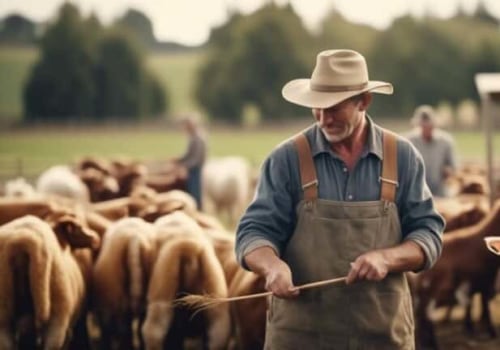
Animal breeding is a critical practice that has shaped the agricultural landscape and contributed significantly to the conservation of various species. By selectively mating animals with desirable traits, breeders aim to enhance specific characteristics such as growth rate, disease resistance, and reproductive performance. This process not only improves livestock productivity but also plays a vital role in preserving genetic diversity among endangered species. In the context of breeding programs, understanding the principles of animal genetics is essential. Genetic variation within a population can lead to improved traits, but it also presents challenges that breeders must navigate.
The balance between selecting for specific traits and maintaining a healthy gene pool is delicate, as excessive inbreeding can result in genetic disorders and reduced vitality. As we delve deeper into the intricacies of animal breeding, it becomes evident that while the potential benefits are substantial, numerous challenges arise. From managing genetic diversity to addressing ethical considerations, breeders must be equipped with knowledge and strategies to overcome these hurdles. This exploration will shed light on the common obstacles faced in breeding programs and highlight the importance of innovative approaches in achieving successful outcomes.
Genetic Diversity Challenges
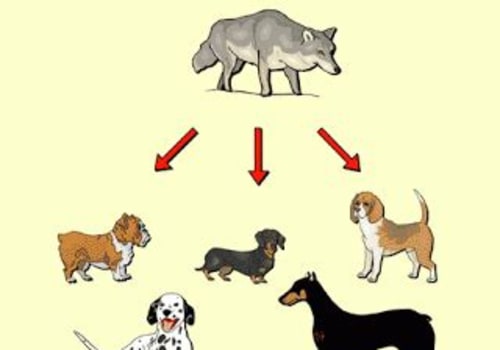
In the realm of animal breeding, maintaining genetic diversity is crucial for the health and viability of animal populations. Genetic diversity refers to the variety of genes within a species, which is essential for adapting to changing environments and resisting diseases.When breeding programs focus too narrowly on specific traits, they risk reducing this diversity, leading to significant challenges.One of the primary risks associated with low genetic diversity is inbreeding depression. This phenomenon occurs when closely related animals breed, resulting in offspring that may inherit harmful genetic traits. Inbreeding can lead to a range of health issues, including reduced fertility, increased susceptibility to diseases, and lower survival rates. For example, certain dog breeds have experienced severe health problems due to inbreeding practices aimed at preserving specific physical characteristics.Another challenge is the occurrence of genetic bottlenecks.
A genetic bottleneck happens when a population's size is significantly reduced for at least one generation, often due to environmental events or human activities. This reduction can drastically limit the gene pool, making it difficult for the population to recover its former genetic diversity. As a result, the remaining individuals may carry similar genetic traits, further exacerbating the risks associated with inbreeding.To mitigate these challenges, breeding programs should prioritize strategies that enhance genetic diversity. Some effective approaches include:
- Outcrossing: Introducing unrelated individuals into a breeding program can help increase genetic variation and reduce the risks of inbreeding.
- Genetic monitoring: Regularly assessing the genetic health of a population can help identify potential issues before they become critical.
- Diverse breeding goals: Focusing on multiple traits rather than a single characteristic can promote a broader gene pool and healthier populations.
By implementing strategies that promote genetic health, breeders can ensure the long-term sustainability and resilience of animal populations.
Environmental Factors Affecting Breeding Success
Environmental factors play a crucial role in the success of animal breeding programs. As climate change accelerates, its effects on breeding outcomes become increasingly evident. Rising temperatures, altered precipitation patterns, and extreme weather events can disrupt the natural behaviors and reproductive cycles of various species.Climate Change Effects on Breeding One of the most significant challenges posed by climate change is the alteration of habitats. Many animals rely on specific environmental conditions for mating and raising their young.For instance, temperature fluctuations can affect the timing of breeding seasons, leading to mismatches between the availability of resources and the needs of offspring. This can result in lower survival rates and reduced population sizes. Additionally, changes in food availability due to shifting ecosystems can impact the health and reproductive success of breeding populations. Animals may struggle to find adequate nutrition during critical periods, which can lead to decreased fertility rates and increased mortality among young.Habitat Loss Another pressing issue is habitat loss, often driven by human activities such as urbanization, agriculture, and deforestation. As natural habitats are destroyed or fragmented, animal populations become isolated, making it difficult for them to find mates.
This isolation can lead to inbreeding, which reduces genetic diversity and increases vulnerability to diseases. Moreover, habitat loss can force animals into less suitable environments where they may not thrive or reproduce effectively. The stress associated with adapting to new conditions can further hinder breeding success. In conclusion, addressing these environmental challenges is essential for the sustainability of animal breeding programs. Conservation efforts must focus on mitigating climate change impacts and preserving natural habitats to ensure that breeding initiatives can succeed in fostering healthy animal populations.
Health and Disease Management in Breeding Programs
In animal breeding programs, health and disease management are critical components that can significantly impact the success of breeding efforts. Breeders must be vigilant in monitoring the health of their animals to prevent the spread of diseases that can compromise both animal welfare and breeding outcomes.Disease outbreaks
can occur unexpectedly, often leading to devastating consequences for breeding stock.Common diseases that affect various species include canine parvovirus, feline leukemia virus, and equine influenza. These diseases not only affect the health of individual animals but can also lead to widespread issues within a breeding program if not managed effectively.To mitigate these risks, breeders should implement a comprehensive disease management plan. This plan should include:
- Regular Health Assessments: Routine veterinary check-ups are essential for early detection of health issues.
- Vaccination Protocols: Keeping animals up-to-date on vaccinations can prevent many common diseases.
- Biosecurity Measures: Implementing strict biosecurity protocols helps minimize the risk of disease introduction from external sources.
- Isolation Procedures: New or sick animals should be isolated to prevent the spread of illness to healthy stock.
Additionally, veterinarians can help breeders understand genetic predispositions to certain health issues, allowing for more informed breeding decisions.In conclusion, effective health and disease management is vital for the sustainability of animal breeding programs. By prioritizing veterinary care and implementing robust health protocols, breeders can enhance the well-being of their animals and improve the overall success of their breeding initiatives.
Economic Constraints and Funding Issues
Running a successful animal breeding program requires not only scientific expertise but also significant financial resources. One of the primary challenges faced by breeders is securing adequate funding for animal breeding programs. Many breeding initiatives rely on a combination of public and private funding, grants, and sponsorships, which can be unpredictable and often insufficient to cover the extensive costs involved.Economic constraints can manifest in various ways:- Research Costs: The cost of animal genetics research can be substantial.
Expenses related to laboratory equipment, genetic testing, and data analysis can quickly add up, making it difficult for smaller programs to compete with larger institutions that have more financial backing.
- Operational Expenses: Day-to-day operations, including animal care, feed, and facility maintenance, require ongoing investment. Fluctuations in market prices for these essentials can strain budgets and limit the scope of breeding activities.
- Market Demand: Economic downturns can lead to reduced demand for certain breeds or genetic traits, impacting the viability of breeding programs. When consumers are less willing to invest in premium livestock or pets, breeders may struggle to recoup their investments.
Additionally, partnerships with universities and research institutions can provide access to grants and shared resources that alleviate some financial burdens.Ultimately, addressing the economic challenges in breeding requires a multifaceted approach that combines strategic planning, community engagement, and a willingness to adapt to changing market conditions. By understanding the financial landscape and seeking diverse funding sources, breeders can enhance their chances of success in developing superior animal genetics.
Ethical Considerations in Animal Breeding
Animal breeding is a complex field that raises significant ethical considerations. As breeders strive to enhance desirable traits in animals, they must also grapple with the implications of their choices on animal welfare. The responsibility of breeders extends beyond mere genetic selection; it encompasses the overall well-being of the animals involved.One of the primary welfare concerns in breeding programs is the potential for health issues arising from selective breeding practices.For instance, certain breeds may be predisposed to genetic disorders due to a limited gene pool. This can lead to serious health complications, raising questions about the morality of continuing such practices. Breeders must prioritize the health and longevity of their animals over aesthetic or performance traits.Moreover, ethical breeding practices should include:
- Transparency: Breeders should be open about their methods and the potential risks associated with their breeding choices.
- Education: Providing prospective pet owners with information about breed-specific health issues can help them make informed decisions.
- Responsible Selection: Choosing breeding pairs based on health, temperament, and genetic diversity rather than solely on appearance or performance.
- Post-Breeding Care: Ensuring that animals are placed in suitable homes where their needs can be met adequately.
Therefore, ethical breeders should advocate for responsible pet ownership and support spaying and neutering initiatives to mitigate these challenges.Ultimately, the ethics of animal breeding hinge on a commitment to improving the lives of animals rather than merely fulfilling market demands. By prioritizing animal welfare and adopting ethical practices, breeders can contribute positively to the future of animal breeding.
Technological Advances and Their Impact on Breeding Programs
In recent years, technological advances have significantly transformed the landscape of animal breeding, providing innovative solutions to some of the most pressing challenges faced by breeders. These advancements not only enhance the efficiency of breeding programs but also improve the overall health and productivity of livestock.Genetic Engineering in Breeding
One of the most groundbreaking developments in animal breeding is the use of genetic engineering. Techniques such as CRISPR-Cas9 allow breeders to make precise edits to an animal's DNA, enabling the introduction of desirable traits such as disease resistance or improved growth rates.This technology can significantly reduce the time required to achieve specific breeding goals, as it bypasses traditional methods that often take generations to yield results.
Artificial Insemination Techniques
Artificial insemination (AI) has revolutionized breeding practices by allowing for the widespread distribution of superior genetics without the need for physical transportation of animals. This technique not only increases genetic diversity but also minimizes the risk of disease transmission. Additionally, AI can be combined with advanced reproductive technologies such as in vitro fertilization (IVF) and embryo transfer, further enhancing breeding efficiency.Data-Driven Decision Making
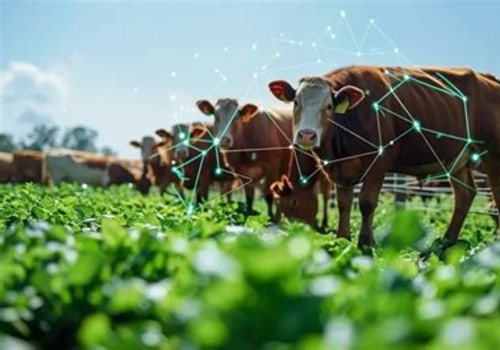
The integration of data analytics and artificial intelligence into breeding programs has also proven invaluable. By analyzing large datasets on animal performance, health, and genetics, breeders can make informed decisions that optimize breeding outcomes.Predictive modeling can identify which animals are most likely to produce desirable traits, thus streamlining the selection process.In conclusion, the impact of technology on animal breeding is profound and multifaceted. From genetic engineering to advanced reproductive techniques and data analytics, these innovations are not only addressing existing challenges but also paving the way for a more sustainable and productive future in animal husbandry.
Future Trends in Animal Breeding Programs
The future of animal breeding is poised for significant transformation, driven by advancements in technology and a growing emphasis on sustainability. As the global demand for animal products continues to rise, breeding programs must adapt to meet these challenges while ensuring ethical practices.Trends in Genetics Research
One of the most promising trends in animal breeding is the integration of genomic technologies. These technologies allow breeders to identify desirable traits at a molecular level, leading to more precise selection processes.For instance, genome editing, particularly CRISPR-Cas9, is revolutionizing how breeders can enhance disease resistance and improve growth rates in livestock. This precision not only accelerates the breeding process but also reduces the time and resources needed to achieve desired outcomes.
Sustainable Breeding Practices
As environmental concerns become increasingly pressing, sustainable breeding practices are gaining traction. Breeders are now focusing on developing animals that require fewer resources, such as water and feed, while still maintaining high productivity levels. This shift is crucial for minimizing the ecological footprint of animal agriculture.- Conservation of Genetic Diversity: Future breeding programs will prioritize the conservation of genetic diversity to ensure resilience against diseases and changing environmental conditions.
- Animal Welfare: There is a growing recognition of the importance of animal welfare in breeding decisions.
Programs that prioritize health and well-being are likely to gain favor among consumers.
- Integration of Data Analytics: The use of big data and analytics will enable breeders to make informed decisions based on comprehensive datasets, enhancing the efficiency and effectiveness of breeding programs.
Frequently Asked Questions about Animal Breeding Challenges
Animal breeding programs are essential for improving livestock and companion animals, but they come with a variety of challenges. Here are some frequently asked questions regarding these challenges:- What are the most common challenges in animal breeding?
One of the primary challenges is genetic diversity. Maintaining a healthy gene pool is crucial to avoid inbreeding, which can lead to genetic disorders.Additionally, breeders often face issues related to environmental factors, such as climate change, which can affect animal health and productivity.
- How do genetic disorders impact breeding programs?
Genetic disorders can significantly hinder breeding efforts. They may result in lower fertility rates, increased mortality, and reduced overall performance of the animals. Identifying and managing these disorders through genetic testing is vital for successful breeding. - What role does technology play in overcoming breeding challenges?
Advancements in genomic technologies have revolutionized animal breeding. Tools like DNA sequencing and genetic markers help breeders make informed decisions, allowing them to select for desirable traits while minimizing the risk of genetic disorders. - How can breeders ensure ethical practices?
Ethical considerations are paramount in animal breeding.Breeders must adhere to guidelines that promote animal welfare, ensuring that breeding practices do not compromise the health or well-being of the animals involved.