In recent years, genetic engineering has emerged as a revolutionary tool in the field of animal breeding, transforming traditional practices and offering unprecedented opportunities for enhancing livestock and companion animals. This innovative approach involves manipulating an organism's DNA to achieve desired traits, such as improved growth rates, disease resistance, and enhanced reproductive capabilities. As the demand for sustainable food production and healthier animals grows, understanding the intersection of genetic engineering and animal breeding becomes increasingly vital. The integration of genetic engineering into animal breeding not only accelerates the process of developing superior breeds but also addresses critical challenges faced by farmers and breeders. For instance, through techniques like CRISPR-Cas9, scientists can precisely edit genes to eliminate hereditary diseases or enhance traits that contribute to better animal welfare.
This precision allows for a more targeted approach compared to traditional breeding methods, which often rely on trial and error over multiple generations. Moreover, the ethical implications and regulatory frameworks surrounding genetic engineering in animal breeding are subjects of ongoing debate. As we delve deeper into this topic, it is essential to consider both the potential benefits and the concerns associated with altering the genetic makeup of animals. By exploring these dimensions, we can better appreciate how genetic engineering is reshaping the future of animal husbandry and its role in meeting global food security challenges.
What is Genetic Engineering?
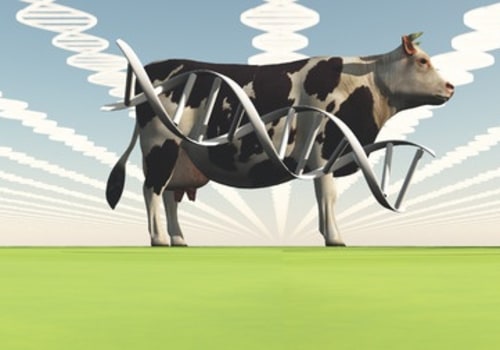
Genetic engineering is a scientific process that involves the manipulation of an organism's DNA to achieve desired traits or characteristics. This technology allows scientists to modify the genetic makeup of living organisms, including plants, animals, and microorganisms, in ways that would not occur naturally through traditional breeding methods.The fundamental principle of genetic engineering lies in the ability to isolate specific genes responsible for particular traits.By using various techniques, such as CRISPR-Cas9, gene cloning, and recombinant DNA technology, researchers can insert, delete, or alter genes within an organism's genome. This precise control over genetic material enables the development of organisms with enhanced qualities, such as disease resistance, improved growth rates, or increased productivity.In the context of animal breeding, genetic engineering has revolutionized the way livestock and companion animals are bred. For instance, scientists can introduce genes that confer resistance to certain diseases in cattle or enhance the growth rate in poultry. This not only improves animal health and welfare but also increases food production efficiency.
- Applications in Animal Breeding:
- Enhanced Disease Resistance: Genetic modifications can help animals resist infections and diseases that would otherwise lead to significant losses in livestock populations.
- Improved Growth Rates: By altering specific genes, breeders can produce animals that grow faster and reach market weight more quickly.
- Better Nutritional Profiles: Genetic engineering can be used to enhance the nutritional content of animal products, such as milk and meat.
As research continues to advance, the potential applications of this technology are likely to expand, paving the way for more sustainable and efficient animal husbandry practices.
The Basics of Animal Breeding
Animal breeding is a scientific practice that involves the selective mating of animals to produce desired traits in their offspring. This process has been utilized for centuries, evolving from traditional methods to more advanced techniques, including genetic engineering. Understanding the basics of animal breeding is essential for anyone interested in agriculture, veterinary science, or animal husbandry.There are several types of animal breeding, each with its own objectives and methodologies:- Natural Breeding: This is the most traditional form, where animals mate naturally without human intervention. It relies on the natural selection process.
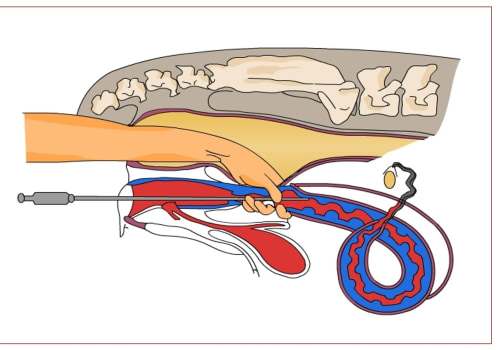
- Artificial Insemination: A common technique where sperm is collected from a male and manually introduced into a female's reproductive tract.
This method allows for the use of superior genetics from distant or deceased animals.
- Embryo Transfer: Involves fertilizing an egg in vitro and then transferring the embryo into a surrogate mother. This technique can significantly increase the number of offspring from high-quality breeding stock.
- Genetic Engineering: A modern approach that involves manipulating an animal's DNA to enhance specific traits, such as disease resistance or growth rates. This method is still under ethical scrutiny but holds great potential for the future of animal breeding.
As technology advances, the integration of genetic engineering into traditional breeding practices promises to revolutionize the industry, offering new opportunities for enhancing livestock quality and productivity.
The Intersection of Genetic Engineering and Animal Breeding
Genetic engineering has revolutionized animal breeding, providing innovative tools that enhance the efficiency and effectiveness of traditional practices. One of the most significant advancements in this field is the use of CRISPR technology, which allows for precise modifications to an animal's genome. This technique enables breeders to target specific genes associated with desirable traits, such as disease resistance, growth rate, and reproductive efficiency.In livestock production, genetic modification plays a crucial role in improving animal health and productivity. For instance, researchers have successfully engineered cattle to be resistant to certain diseases, reducing the need for antibiotics and improving overall herd health.Additionally, genetic engineering can lead to enhanced feed efficiency, allowing animals to convert feed into body mass more effectively, which is vital for sustainable farming practices.The application of biotechnology in animal breeding extends beyond just health improvements. It also encompasses traits related to meat quality and yield. By identifying and modifying genes linked to marbling in beef or tenderness in pork, breeders can produce livestock that meet consumer demands for high-quality products.Moreover, genetic engineering facilitates the rapid development of new breeds that can adapt to changing environmental conditions. As climate change poses challenges to traditional farming methods, genetically engineered animals may offer solutions by exhibiting traits such as heat tolerance or improved water utilization.However, the integration of genetic engineering into animal breeding is not without controversy.
Ethical considerations regarding animal welfare and biodiversity must be addressed as these technologies become more prevalent. Ongoing dialogue among scientists, farmers, and consumers is essential to navigate these challenges while harnessing the benefits of genetic advancements.
Benefits of Genetic Engineering in Animal Breeding
Genetic engineering has revolutionized animal breeding, offering numerous benefits that enhance livestock production and health. One of the most significant advantages is the ability to create animals with disease resistance. By modifying specific genes, breeders can develop livestock that are less susceptible to common diseases, reducing the need for antibiotics and other medications.This not only improves animal welfare but also leads to healthier food products for consumers.Another key benefit of genetic engineering in animal breeding is the enhancement of productivity traits. For instance, through genetic modification, animals can be bred to produce more milk, grow faster, or yield higher-quality meat. These improvements can lead to increased efficiency in food production, which is crucial in meeting the demands of a growing global population.
- Improved Feed Efficiency: Genetically engineered animals can convert feed into body mass more effectively, reducing the overall cost of raising livestock.
- Enhanced Reproductive Traits: Genetic modifications can lead to better reproductive performance, resulting in higher birth rates and healthier offspring.
- Environmental Benefits: By creating animals that require less feed and produce fewer greenhouse gases, genetic engineering contributes to more sustainable farming practices.
From enhancing disease resistance to improving productivity and sustainability, these advancements play a crucial role in modern agriculture, ensuring that we can meet food security challenges while promoting animal welfare.
Ethical Considerations in Genetic Engineering and Animal Breeding
The integration of genetic engineering in animal breeding raises significant ethical considerations that merit careful examination. As advancements in biotechnology continue to evolve, the implications for animal welfare and public perception become increasingly complex.Animal Welfare Concerns
- Genetic modifications can lead to unintended health issues in animals, such as increased susceptibility to diseases or physical deformities.
- The potential for creating animals with enhanced traits may inadvertently prioritize certain characteristics over the overall well-being of the animal.
- There is a risk of reducing genetic diversity, which can make populations more vulnerable to diseases and environmental changes.
Public Perception of Genetic Modification
The public's view on genetic engineering in animal breeding is often polarized. Many individuals express concern over the safety and ethics of consuming genetically modified organisms (GMOs). This skepticism can stem from:
- A lack of understanding about the science behind genetic engineering and its potential benefits.
- Fear of unforeseen consequences that may arise from altering an organism's genetic makeup.
- Historical instances where genetic modifications have led to negative outcomes, fueling distrust in scientific advancements.
By fostering an open dialogue, stakeholders can work towards establishing guidelines that prioritize both innovation and ethical responsibility.
Case Studies: Successful Applications of Genetic Engineering in Animal Breeding
Genetic engineering has made significant strides in animal breeding, leading to remarkable improvements in livestock. Here are some notable case studies that illustrate the successful application of genetic engineering in this field:1.Genetically Modified Salmon
The AquaBounty Technologies has developed a genetically modified salmon known as AquaAdvantage Salmon. This fish is engineered to grow faster than its non-modified counterparts, reaching market size in about 18 months instead of the usual three years. This advancement not only increases production efficiency but also helps meet the growing demand for seafood.2.Disease Resistance in Cattle
Researchers have successfully used genetic engineering to enhance disease resistance in cattle.For instance, scientists at the University of California, Davis, have developed a breed of cattle that is resistant to brucellosis, a bacterial infection that can cause significant economic losses in livestock. By incorporating specific genes associated with disease resistance, these cattle can thrive in environments where brucellosis is prevalent.
3.Improved Wool Quality in Sheep
In Australia, genetic engineering has been employed to improve wool quality in sheep. The Australian Wool Innovation organization has worked on identifying and manipulating genes responsible for wool characteristics such as fiber diameter and strength. This has resulted in sheep that produce finer, stronger wool, enhancing the overall quality and marketability of Australian wool.4.Enhanced Nutritional Value in Pigs
Another compelling example is the genetic modification of pigs to improve their nutritional profile.Researchers have developed pigs that can metabolize feed more efficiently, leading to better growth rates and reduced feed costs. This not only benefits farmers economically but also contributes to more sustainable farming practices.These case studies highlight the transformative potential of genetic engineering in animal breeding. By addressing specific challenges such as growth rates, disease resistance, and product quality, genetic engineering paves the way for a more efficient and sustainable agricultural future.
Future Trends in Genetic Engineering and Animal Breeding
The future of genetic engineering in animal breeding is poised for transformative advancements that could significantly enhance agricultural productivity and sustainability. As technology evolves, several key trends are emerging that will shape the landscape of livestock management and breeding practices.Biotechnology Advancements
One of the most promising areas is the integration of biotechnology into traditional breeding methods.Techniques such as CRISPR-Cas9 gene editing allow for precise modifications to an animal's genetic makeup, enabling breeders to enhance desirable traits such as disease resistance, growth rates, and feed efficiency. This precision reduces the time and resources needed to achieve optimal breeding outcomes.
Genomic Selection
Genomic selection is another trend gaining traction. By utilizing genomic data, breeders can make informed decisions about which animals to breed based on their genetic potential rather than solely on phenotypic traits. This approach not only accelerates the breeding process but also improves the overall health and productivity of livestock.Sustainable Practices
The push for sustainability in agriculture is also influencing animal breeding.Future trends will likely focus on developing breeds that require fewer resources, such as water and feed, while still producing high yields. This aligns with global efforts to reduce the environmental impact of farming.
Ethical Considerations
As these technologies advance, ethical considerations will play a crucial role in shaping public perception and regulatory frameworks. The industry must navigate concerns regarding animal welfare and the long-term effects of genetic modifications on biodiversity.In conclusion, the future of genetic engineering in animal breeding holds great promise. With ongoing advancements in biotechnology, genomic selection, and a focus on sustainability, the potential to revolutionize livestock production is immense.Stakeholders in agriculture must stay informed about these trends to adapt and thrive in an evolving landscape.
FAQs about Genetic Engineering and Animal Breeding
As genetic engineering continues to evolve, many people have questions about its implications in animal breeding. Here are some frequently asked questions that clarify common misconceptions and provide insights into this innovative field.What is genetic engineering in animal breeding?
Genetic engineering in animal breeding refers to the direct manipulation of an animal's DNA to achieve desired traits. This can include enhancing growth rates, disease resistance, or even improving the nutritional value of animal products. Unlike traditional breeding methods, which rely on selective mating over generations, genetic engineering allows for precise changes to be made in a single generation.Is genetic engineering safe for animals?
Safety is a primary concern when it comes to genetic modification.Extensive research and regulatory assessments are conducted to ensure that genetically engineered animals do not pose health risks to themselves or humans consuming their products. Many studies indicate that genetically engineered animals can be as healthy as their conventionally bred counterparts.
What are some common misconceptions about genetic engineering?
- Myth: Genetic engineering is the same as cloning.
- Fact: Cloning involves creating a genetically identical copy of an organism, while genetic engineering modifies specific genes within an organism's DNA.
- Myth: Genetically modified animals are unnatural and harmful.
- Fact: Genetic engineering is a tool that can enhance natural processes and improve animal welfare by reducing disease susceptibility.
How does genetic engineering improve animal breeding practices?
By utilizing genetic engineering, breeders can achieve faster results in developing desirable traits. This technology can lead to more efficient production systems, reduced environmental impact, and improved animal health. For instance, genetically engineered livestock may require fewer resources such as feed and water, contributing to sustainable agricultural practices.In summary, understanding the role of genetic engineering in animal breeding helps dispel myths and highlights its potential benefits.As research progresses, it is essential to stay informed about the advancements and ethical considerations surrounding this technology.
Conclusion: The Future of Animal Breeding through Genetic Engineering
As we look towards the future of animal breeding, it is clear that genetic engineering will play a pivotal role in shaping the industry. The advancements in genetic technologies, such as CRISPR and gene editing, have opened new avenues for enhancing desirable traits in livestock and companion animals alike. These innovations not only promise to improve productivity and disease resistance but also aim to address ethical concerns surrounding traditional breeding methods.One of the most significant benefits of integrating genetic engineering into animal breeding is the potential for increased efficiency. By precisely targeting specific genes, breeders can achieve desired outcomes more rapidly than through conventional methods, which often require multiple generations to realize improvements.This efficiency can lead to faster adaptation to changing environmental conditions and consumer demands.
- Enhanced Disease Resistance: Genetic engineering can help develop animals that are more resilient to diseases, reducing the need for antibiotics and improving overall animal welfare.
- Improved Productivity: Traits such as growth rate, feed efficiency, and reproductive performance can be optimized through genetic modifications, leading to more sustainable farming practices.
- Conservation of Endangered Species: Genetic techniques can also aid in the preservation of endangered breeds by enhancing genetic diversity and resilience.
Embracing these changes responsibly will not only enhance productivity but also ensure a sustainable future for animal agriculture.