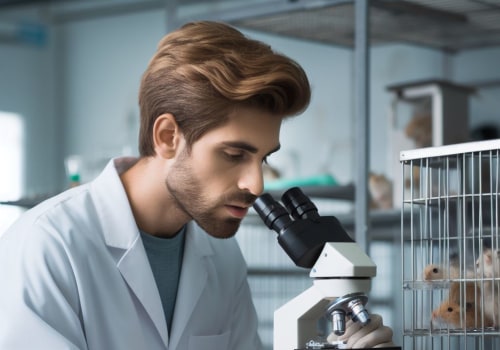
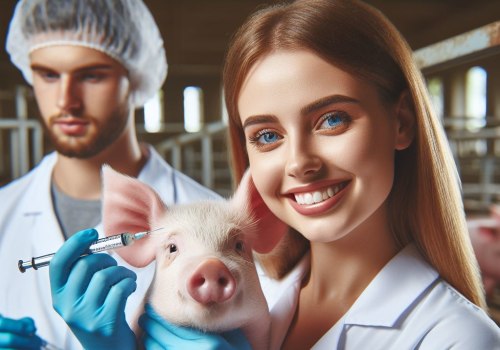
Animal breeding is a fundamental practice in agriculture that involves the selective mating of animals to produce desired traits in their offspring. This process not only enhances the quality and productivity of livestock but also plays a crucial role in ensuring food security for a growing global population. By understanding the principles of animal breeding, we can appreciate its significance in improving the efficiency of food production systems. The definition of animal breeding encompasses various techniques aimed at enhancing specific characteristics such as growth rate, disease resistance, and reproductive performance. These traits are vital for farmers who strive to maximize their yield while minimizing costs.
For instance, through selective breeding, farmers can develop livestock that grows faster and requires less feed, ultimately leading to more sustainable agricultural practices. Moreover, the importance of animal breeding extends beyond mere productivity. It contributes to genetic diversity, which is essential for the resilience of animal populations against diseases and environmental changes. As climate change poses new challenges to agriculture, breeding programs that focus on adaptability and hardiness become increasingly critical. In this way, animal breeding not only supports current food production needs but also lays the groundwork for future agricultural advancements.
The Science Behind Animal Breeding
Animal breeding is a complex science that plays a pivotal role in enhancing food production and agricultural efficiency.At its core, animal breeding involves the selective mating of animals to produce desired traits in their offspring. This process is grounded in the principles of genetics, which study how traits are inherited from one generation to the next.
Selective breeding
is one of the most common techniques used in animal breeding. It involves choosing parent animals with specific characteristics to mate, thereby increasing the likelihood that their offspring will inherit those desirable traits. For instance, farmers may select for traits such as higher milk production in dairy cows or faster growth rates in meat-producing animals.This method not only improves the quality of livestock but also enhances productivity, which is crucial for meeting the growing global food demand.Another important aspect of animal breeding is understanding genetics. Advances in genetic research have allowed breeders to identify specific genes associated with desirable traits. Techniques such as genomic selection enable breeders to make more informed decisions by analyzing an animal's DNA. This scientific approach reduces the time and resources needed to achieve desired outcomes compared to traditional methods.
- Artificial Insemination: A technique that allows for the controlled breeding of animals, increasing genetic diversity and improving herd quality.
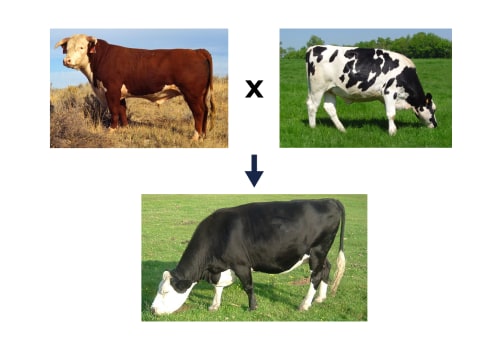
- Crossbreeding: The practice of mating animals from different breeds to combine desirable traits, resulting in hybrid vigor.
- Inbreeding: While it can enhance certain traits, it must be managed carefully to avoid genetic defects.
By improving livestock quality and productivity, these practices help ensure a stable food supply for an ever-growing population.
Types of Animal Breeding Practices
Animal breeding encompasses a variety of practices aimed at enhancing livestock quality and productivity. Understanding the different types of animal breeding is essential for farmers and agricultural professionals looking to optimize their operations.Artificial Insemination
Artificial insemination (AI) is a widely adopted technique that allows for the controlled breeding of animals without the need for natural mating. This method involves collecting sperm from a male and introducing it into the reproductive tract of a female. AI offers several advantages:- Genetic Diversity: Farmers can select superior genetics from a broader pool, enhancing the overall quality of the herd.
- Health Benefits: Reduces the risk of disease transmission that can occur during natural mating.
- Cost-Effectiveness: Minimizes the need for maintaining multiple breeding males, thus lowering costs.
Crossbreeding
Crossbreeding is another significant practice in animal breeding, where two different breeds are mated to produce offspring with desirable traits from both parents.This method can lead to hybrid vigor, or heterosis, which often results in:
- Improved Growth Rates: Crossbred animals typically grow faster and reach market weight more quickly.
- Enhanced Disease Resistance: Offspring may inherit stronger immune systems, making them less susceptible to illnesses.
- Better Adaptability: Crossbred animals can often thrive in diverse environmental conditions, making them suitable for various farming systems.
Impact of Animal Breeding on Food Production
Animal breeding plays a pivotal role in enhancing food production by significantly improving livestock productivity and the quality of meat. Through selective breeding practices, farmers can cultivate traits that lead to healthier, more resilient animals capable of producing higher yields.Livestock productivity
is directly influenced by the genetic traits selected during breeding. For instance, breeding programs that focus on traits such as growth rate, feed efficiency, and reproductive performance can lead to animals that grow faster and require less feed to reach market weight.This not only maximizes the output per animal but also reduces the environmental impact associated with feed production.Moreover, advancements in animal breeding techniques, such as artificial insemination and genetic testing, allow for more precise selection of desirable traits. This precision leads to a more uniform herd, which can enhance overall farm management and profitability.
Improvement in Meat Quality
The impact of animal breeding extends beyond productivity; it also encompasses the quality of meat. Breeding programs that prioritize meat quality traits—such as marbling, tenderness, and flavor—result in products that meet consumer demands for higher-quality food. For example, certain breeds of cattle are known for their superior marbling, which enhances flavor and tenderness, making them more desirable in the marketplace.Furthermore, by focusing on health traits during breeding, farmers can reduce the incidence of diseases that affect meat quality.Healthier animals not only produce better meat but also contribute to a more sustainable food system by minimizing losses due to illness.In conclusion, animal breeding is a cornerstone of modern agriculture that enhances both livestock productivity and meat quality. By leveraging genetic advancements and selective breeding practices, farmers can ensure a more efficient and sustainable food production system that meets the growing demands of consumers.
Animal Breeding and Sustainable Agriculture
Animal breeding plays a crucial role in promoting sustainable agriculture by enhancing the efficiency of food production systems. Through selective breeding, farmers can develop livestock that are not only more productive but also better adapted to their environments. This adaptation can lead to improved resource efficiency, as animals that are well-suited to local conditions often require fewer inputs such as feed, water, and veterinary care.One significant aspect of animal breeding is its potential to reduce the environmental impact of agriculture.For instance, breeding programs that focus on traits such as feed conversion efficiency can lead to animals that produce more meat or milk with less feed. This reduction in feed requirements not only lowers costs for farmers but also decreases the demand for land and resources needed to grow animal feed, thereby minimizing deforestation and habitat destruction.Moreover, improved breeds can exhibit greater resistance to diseases and parasites, which can lead to lower reliance on antibiotics and other chemicals. This shift not only benefits animal health but also contributes to environmental sustainability by reducing the risk of chemical runoff into local ecosystems.In addition to these benefits, sustainable agriculture practices supported by animal breeding can enhance biodiversity. By developing a variety of breeds that are resilient to climate change and other environmental stresses, farmers can maintain a diverse genetic pool that is essential for long-term agricultural sustainability.In summary, animal breeding is a vital component of sustainable agricultural practices.
By focusing on resource efficiency and minimizing environmental impacts, it helps create a more resilient food production system that can meet the demands of a growing global population while preserving the planet's natural resources.
Challenges in Animal Breeding for Food Production
Animal breeding plays a crucial role in enhancing food production, yet it is not without its challenges. One of the primary concerns is the ethical implications associated with selective breeding practices. As breeders focus on specific traits such as size, growth rate, or disease resistance, they may inadvertently compromise the welfare of the animals. For instance, certain breeds may suffer from health issues due to inbreeding, leading to a higher incidence of genetic disorders.Moreover, the issue of genetic diversity is a significant challenge in animal breeding.A narrow genetic base can make livestock populations more susceptible to diseases and environmental changes. When breeders prioritize a limited number of traits, they often overlook the importance of maintaining a diverse gene pool. This lack of diversity can result in populations that are less resilient and more vulnerable to extinction.Additionally, there are regulatory and economic challenges that impact animal breeding practices. Stricter regulations aimed at ensuring animal welfare can limit breeding options and increase costs for farmers.
These regulations, while essential for ethical treatment, can also hinder innovation and the development of new breeds that could enhance food production.Lastly, public perception plays a critical role in shaping animal breeding practices. Growing consumer awareness regarding animal welfare and sustainability has led to increased scrutiny of breeding methods. Farmers and breeders must navigate these societal expectations while striving to improve productivity and efficiency in food production.In summary, while animal breeding is vital for advancing agricultural productivity, it faces numerous challenges including ethical concerns, genetic diversity issues, regulatory constraints, and public perception. Addressing these challenges is essential for creating a sustainable future in food production.
Future Trends in Animal Breeding and Food Production
The future of animal breeding is poised to undergo significant transformations driven by advancements in technology and a growing demand for sustainable food production.As the global population continues to rise, the pressure on agricultural systems to produce more food efficiently and sustainably becomes increasingly critical.
Biotechnology in agriculture
is at the forefront of these changes. Techniques such as genetic engineering and CRISPR gene editing are revolutionizing how breeders approach livestock improvement. These technologies allow for precise modifications to an animal's genetic makeup, enhancing desirable traits such as disease resistance, growth rates, and feed efficiency. For instance, researchers are developing cattle that are more resilient to heat stress, which is crucial in the face of climate change.Moreover, innovations in livestock management are also shaping the future of animal breeding.The integration of data analytics and artificial intelligence (AI) into breeding programs enables farmers to make informed decisions based on real-time data. This can include monitoring animal health, optimizing breeding schedules, and predicting genetic outcomes. By leveraging these technologies, farmers can enhance productivity while minimizing resource use.
- Precision Breeding: This approach focuses on selecting animals with specific traits that contribute to better performance and sustainability.
- Genomic Selection: Utilizing genomic information allows breeders to predict the performance of animals more accurately, leading to faster improvements in herds.
- Sustainable Practices: Emphasizing animal welfare and environmental stewardship will be essential as consumers increasingly demand ethically produced food.
Frequently Asked Questions about Animal Breeding and Food Production
Animal breeding is a vital aspect of modern agriculture, yet many people have questions and misconceptions about its role in food production.Here are some frequently asked questions that can help clarify the importance of animal breeding.
- What is animal breeding?
Animal breeding is the practice of mating selected animals with desirable traits to produce offspring that inherit those traits. This process enhances specific characteristics such as growth rate, disease resistance, and reproductive efficiency. - How does animal breeding improve food production?
By selecting animals that exhibit favorable traits, farmers can increase the productivity and efficiency of livestock. For example, breeding cattle for higher milk yield or faster growth rates directly contributes to greater food supply. - Are there ethical concerns associated with animal breeding?
While animal breeding can lead to improved food production, it also raises ethical questions regarding animal welfare. Responsible breeders prioritize the health and well-being of animals, ensuring that breeding practices do not compromise their quality of life. - What are some common misconceptions about animal breeding?
One common misconception is that all animal breeding leads to inbreeding, which can cause genetic defects.However, modern breeding techniques often involve genetic diversity to mitigate this risk. Additionally, some believe that animal breeding only focuses on physical traits, while in reality, it also considers behavioral and health aspects.
- How does technology influence animal breeding?
Advancements in technology, such as genetic testing and artificial insemination, have revolutionized animal breeding. These tools allow breeders to make more informed decisions, leading to healthier and more productive livestock.
Conclusion: The Integral Role of Animal Breeding in Agriculture's Future
In conclusion, animal breeding plays a pivotal role in enhancing food production and ensuring the sustainability of agriculture. Throughout this article, we have explored various aspects of how selective breeding practices contribute to improved livestock quality, disease resistance, and overall productivity. One of the most significant benefits of animal breeding is its ability to produce animals that are better suited to specific environmental conditions.This adaptability not only helps farmers maximize their yields but also supports the resilience of agricultural systems in the face of climate change. Moreover, advancements in genetic research and biotechnology have opened new avenues for animal breeding. Techniques such as genomic selection allow breeders to make more informed decisions, leading to faster improvements in desirable traits. This scientific approach ensures that livestock can meet the growing demands for food while minimizing the environmental impact.
- Enhanced Productivity: Breeding programs focus on traits such as growth rate, feed efficiency, and reproductive performance, which directly contribute to higher meat, milk, and egg production.
- Disease Resistance: By selecting for animals with natural resistance to diseases, breeders can reduce reliance on antibiotics and other medications, promoting healthier livestock.
- Sustainability: Improved breeds can utilize resources more efficiently, leading to lower greenhouse gas emissions and reduced land use.
The integration of traditional practices with modern science will be crucial in meeting the challenges ahead.