Artificial insemination (AI) has become a pivotal technique in animal breeding, revolutionizing the way breeders manage reproduction in livestock and other species. This method involves the deliberate introduction of sperm into a female's reproductive tract, bypassing natural mating. While AI offers numerous advantages, such as improved genetic diversity and the ability to use superior genetics from distant locations, it is essential to consider the disadvantages of artificial insemination that can impact both animal welfare and breeding outcomes.One of the primary concerns surrounding AI in animal breeding is the potential for reduced genetic variability. Although AI allows for the selection of high-quality genetic material, reliance on a limited number of sires can lead to inbreeding and a decrease in overall herd health.
Additionally, the process of artificial insemination requires skilled technicians and proper facilities, which may not be accessible to all breeders, particularly in rural or developing areas.Moreover, the success rate of AI can vary significantly based on several factors, including timing, technique, and the health of both the male and female animals involved. This variability can lead to lower conception rates compared to natural breeding methods. As we delve deeper into this topic, it is crucial to weigh these disadvantages against the benefits to make informed decisions about the use of artificial insemination in animal breeding.
Overview of Artificial Insemination Techniques
Artificial insemination (AI) is a widely used technique in animal breeding that allows for the controlled reproduction of various species. This method involves the deliberate introduction of sperm into a female's reproductive tract, bypassing the natural mating process.Understanding the different artificial insemination techniques is essential for evaluating their effectiveness and potential drawbacks.
Common Methods of Artificial Insemination
- Transcervical Insemination (TCI): This technique is commonly used in species such as cattle and horses. It involves passing a catheter through the cervix to deposit sperm directly into the uterus, increasing the chances of successful fertilization.
- Vaginal Insemination: Often employed in smaller animals like dogs and cats, this method involves placing sperm in the vagina using a syringe or pipette. While simpler, it may have lower success rates compared to TCI.
- Laparoscopic Insemination: This advanced technique is primarily used in pigs and involves surgical intervention to place sperm directly into the uterus. It is highly effective but requires specialized training and equipment.
- Intracervical Insemination (ICI): Similar to TCI but less invasive, ICI places sperm at the cervix level.
It is often used in species where other methods may be impractical.
Disadvantages of Artificial Insemination in Animal Breeding
While artificial insemination (AI) has revolutionized animal breeding, it is not without its disadvantages. Understanding these drawbacks is crucial for breeders aiming to optimize their practices.Genetic Diversity Concerns
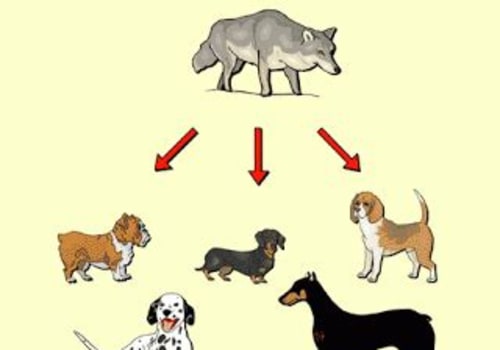
One significant issue with AI is the potential reduction in genetic diversity.When breeders rely heavily on a limited number of high-quality sires, the gene pool can become restricted. This lack of diversity can lead to:
- Inbreeding: Increased risk of genetic disorders and health issues.
- Reduced adaptability: Animals may become less resilient to diseases and environmental changes.
Health Risks
Another concern involves the health risks associated with AI procedures. Although generally safe, there are potential complications, such as:- Infection: Improper technique or unsterile equipment can introduce pathogens.
- Stress: The process can be stressful for animals, potentially affecting their overall well-being.
Economic Factors
The economic implications of AI also warrant consideration. While it can reduce costs in some areas, there are hidden expenses that breeders should be aware of:- Initial investment: The cost of equipment and training can be substantial.
- Ongoing costs: Regular veterinary checks and semen storage can add up over time.
Breeders must consider genetic diversity, health risks, and economic factors to make informed decisions that will benefit their breeding programs in the long run.
Impact on Genetic Diversity
One of the significant disadvantages of artificial insemination in animal breeding is its potential impact on genetic diversity. While this technique allows breeders to select specific traits and improve certain characteristics within a population, it can inadvertently lead to a genetic bottleneck. This occurs when a limited number of individuals are used for breeding, which reduces the overall genetic variation.The reliance on a small pool of genetically similar animals can have serious long-term consequences. For instance, reduced genetic diversity can make populations more susceptible to diseases and environmental changes.When animals share similar genetic backgrounds, they may lack the necessary traits to adapt to new challenges, leading to increased mortality rates and decreased survival.
Consequences of Reduced Genetic Diversity
- Increased Vulnerability: Populations with low genetic diversity are often less resilient to disease outbreaks. A single pathogen can wipe out a large portion of the population if there is little genetic variation.
- Inbreeding Depression: Continuous use of a limited gene pool can result in inbreeding, which may lead to health issues such as reduced fertility, lower birth rates, and higher susceptibility to genetic disorders.
- Loss of Adaptive Traits: As environmental conditions change, animals with diverse genetic backgrounds are more likely to possess traits that allow them to thrive. A lack of diversity can hinder the ability of a population to adapt.
Health Risks Associated with Artificial Insemination
Artificial insemination (AI) has revolutionized animal breeding, offering numerous advantages such as genetic diversity and improved herd management.However, it is essential to consider the potential health risks associated with this practice, which can impact both the animals involved and their offspring.One of the primary concerns is the risk of reproductive health issues. The process of AI can lead to complications such as:
- Infection: The introduction of foreign materials during insemination can increase the risk of infections in the reproductive tract, which may lead to conditions like endometritis.
- Stress: The procedure can be stressful for animals, particularly if not performed correctly. Stress can negatively affect an animal's overall health and reproductive performance.
- Hormonal Imbalances: Hormonal treatments often accompany AI to synchronize estrus cycles. These treatments can sometimes lead to imbalances that affect fertility and overall health.
Genetic abnormalities can arise due to:
- Limited Genetic Pool: While AI aims to enhance genetic diversity, reliance on a small number of sires can inadvertently increase the risk of inherited disorders.
- Developmental Issues: Some studies suggest that AI may be linked to higher incidences of certain developmental problems in calves and foals, potentially due to improper timing or technique during insemination.
Economic Considerations in Artificial Insemination
When considering artificial insemination in animal breeding, one of the most significant factors to evaluate is the economic impact it has on breeders. While this technique can offer numerous advantages, such as improved genetics and increased reproductive efficiency, it also comes with a range of financial considerations that can pose challenges.Cost of Artificial Insemination
- The initial investment for artificial insemination can be substantial. Breeders must account for the costs of semen collection, storage, and transportation, as well as the necessary equipment for the procedure itself.
- Training and expertise are also required to perform artificial insemination correctly, which may necessitate hiring skilled personnel or investing in training programs.
- Additionally, there are ongoing costs associated with maintaining the health and fertility of both the donor and recipient animals, which can add to the overall expense.
Economic Disadvantages
- Financial Risks: The financial outlay for artificial insemination does not guarantee success.
If the procedure fails, breeders may incur significant losses without achieving the desired outcomes.
- Market Fluctuations: The profitability of breeding programs can be affected by market demand for specific breeds or genetic traits. If breeders invest heavily in artificial insemination but fail to sell offspring at a profitable price, they may face economic strain.
- Long-Term Commitment: Breeders must often commit to long-term strategies when using artificial insemination. This can lead to cash flow issues if immediate returns are not realized.
Ethical Concerns Surrounding Artificial Insemination
Artificial insemination (AI) in animal breeding has revolutionized the way livestock and other animals are bred, but it also raises significant ethical concerns.One of the primary issues is the potential for animal welfare concerns. The process of AI can be invasive and stressful for animals, particularly if not performed with care and expertise. Animals may experience discomfort during the procedure, which can lead to anxiety and distress.Moreover, the selection of breeding stock often prioritizes specific traits that may not align with the overall health and well-being of the animals. For instance, breeding for high milk production in dairy cows can lead to health problems such as mastitis or lameness.
This raises questions about the ethics of artificial insemination practices that prioritize economic gain over animal welfare.Another ethical consideration is the impact of AI on genetic diversity. The widespread use of a limited number of sires can lead to inbreeding and a reduction in genetic variation within populations. This not only affects the health of individual animals but can also have long-term consequences for entire breeds, making them more susceptible to diseases.Public perception plays a crucial role in the discussion surrounding AI in animal breeding. Many consumers are becoming increasingly aware of animal welfare issues and may oppose practices that they perceive as harmful or exploitative.
This shift in public sentiment can influence market demand and regulatory policies, prompting breeders to reconsider their methods.In conclusion, while artificial insemination offers numerous benefits in terms of efficiency and genetic improvement, it is essential to address the ethical issues in animal breeding. Ensuring that animal welfare is prioritized and that breeding practices promote genetic diversity are critical steps toward responsible use of AI in animal husbandry.
Alternatives to Artificial Insemination in Animal Breeding
While artificial insemination has become a popular method in animal breeding, there are several alternatives that can address some of its disadvantages. These methods not only provide viable options for breeders but also promote natural behaviors and genetic diversity.Natural Breeding Methods
One of the most traditional alternatives is natural breeding, where animals mate without human intervention. This method allows for:- Natural selection: Animals choose their mates based on instinct, which can lead to stronger offspring.
- Behavioral benefits: Natural mating can reduce stress and anxiety in animals, as they engage in instinctual behaviors.
- Genetic diversity: By allowing animals to breed naturally, breeders can maintain a broader genetic pool, reducing the risk of inbreeding.
Other Breeding Techniques
In addition to natural breeding, there are other techniques that can be employed:- Embryo Transfer: This technique involves collecting embryos from a donor female and implanting them into a recipient female.
It allows for the propagation of superior genetics without the need for repeated artificial insemination.
- In Vitro Fertilization (IVF): IVF can be used to fertilize eggs outside the body and then implant them into a surrogate. This method can help overcome fertility issues and is particularly useful in endangered species conservation.
- Controlled Natural Breeding: This method combines elements of both natural and artificial insemination by monitoring the estrous cycle of females and allowing them to mate with selected males at optimal times.
Frequently Asked Questions about Artificial Insemination in Animal Breeding
Artificial insemination (AI) in animal breeding has become a common practice, yet many people still have questions and misconceptions about its implications. Here are some frequently asked questions that can help clarify these concerns.What are the main benefits of artificial insemination?
While this section focuses on disadvantages, it’s important to acknowledge that AI offers significant advantages, such as:- Genetic diversity: AI allows breeders to access a wider range of genetic material, improving the overall health and resilience of the population.
- Reduced disease transmission: By using AI, the risk of spreading sexually transmitted diseases among animals is minimized.
- Cost-effectiveness: AI can reduce transportation costs associated with moving animals for breeding purposes.
What are common misconceptions about artificial insemination?
Many misconceptions exist regarding AI in animal breeding.Here are a few:
- AI is unnatural: While AI is a human-assisted process, it mimics natural breeding by facilitating sperm transfer.
- AI guarantees pregnancy: Like natural breeding, there is no guarantee of success with AI; factors such as timing and animal health play crucial roles.
- AI is only for high-value animals: While often used in elite breeding programs, AI can benefit all types of livestock by improving genetic quality.
Are there any risks associated with artificial insemination?
Yes, there are potential risks involved in the process:- Infection risk: If not performed under sterile conditions, AI can introduce infections to the reproductive tract.
- Poor technique: Improper handling or technique can lead to unsuccessful insemination or injury to the animal.
- Genetic issues: Over-relying on a limited gene pool can lead to inbreeding and associated health problems.
Conclusion: Weighing the Pros and Cons of Artificial Insemination in Animal Breeding
In conclusion, understanding the disadvantages of artificial insemination in animal breeding is crucial for breeders and stakeholders in the agricultural sector. While this technique offers numerous benefits, such as genetic diversity and improved herd management, it is essential to recognize the potential drawbacks that can impact both animal welfare and breeding outcomes. One significant concern is the cost associated with artificial insemination. The process requires specialized equipment, trained personnel, and often involves purchasing high-quality semen from reputable sources. These expenses can be prohibitive for smaller operations, leading to a reliance on less effective breeding methods. Additionally, there are health risks involved.The procedure itself can cause stress to the animals, and improper techniques may lead to complications or infections. Furthermore, if not managed correctly, artificial insemination can result in lower conception rates compared to natural breeding. The genetic limitations of available semen also pose a challenge. While artificial insemination allows access to superior genetics, it may also lead to a narrow genetic pool if breeders focus too heavily on a few high-performing sires. This can increase the risk of genetic disorders and reduce overall herd resilience. Lastly, the timing of insemination is critical.
Miscalculating the optimal breeding window can lead to unsuccessful pregnancies, wasting both time and resources. Breeders must be well-versed in reproductive cycles and utilize accurate monitoring techniques to maximize success rates. Ultimately, while artificial insemination presents exciting opportunities for enhancing animal breeding, it is vital for breeders to weigh these disadvantages carefully. A balanced approach that considers both the pros and cons will lead to more informed decisions and better outcomes in animal husbandry.