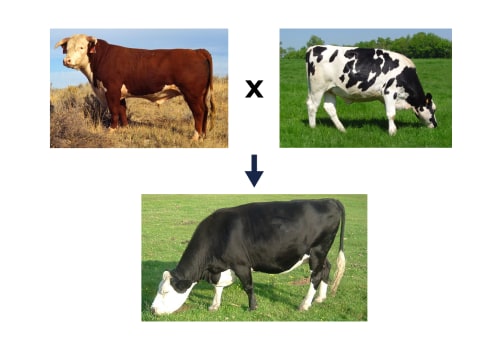
Animal breeding is a fascinating and complex field that plays a crucial role in the development of various species, particularly in the context of pets. Understanding the differences between purebred and mixed breed animals is essential for prospective pet owners, breeders, and animal welfare advocates alike. This knowledge not only influences the choice of a pet but also impacts the health, temperament, and overall well-being of the animals involved. At its core, animal breeding involves the selective mating of animals to produce specific traits or characteristics. Purebred animals are those that belong to a recognized breed and have a documented lineage, often resulting in predictable physical and behavioral traits.
In contrast, mixed breed animals are the offspring of two or more different breeds, leading to a diverse range of characteristics that can be less predictable. This distinction is significant as it affects not only the appearance and behavior of the animals but also their health and adaptability. As we delve deeper into the world of animal breeding, it becomes clear that both purebred and mixed breed animals have their unique advantages and challenges. For instance, while purebreds may excel in certain traits due to their genetic consistency, mixed breeds often benefit from hybrid vigor, which can lead to improved health outcomes. By exploring these differences, we can better appreciate the implications for pet ownership and animal welfare, ultimately guiding us toward more informed decisions when choosing our companions.
What Are Purebred Animals?
Purebred animals are those that belong to a specific breed, which is defined by a set of recognized characteristics and traits that are consistently passed down through generations.These animals are typically registered with a breed association, ensuring that they meet the established standards for their breed.One of the primary characteristics of purebred animals is their predictable appearance and behavior. For instance, purebred dogs often exhibit specific physical traits such as size, coat type, and color, as well as behavioral tendencies that align with their breed's history and purpose. This predictability can be advantageous for owners who have particular needs or preferences in terms of temperament and physical attributes.
- Consistency: Purebred animals tend to have consistent traits, making them easier to train and manage.
- Health Screening: Many purebred breeds undergo health screenings to identify genetic disorders, allowing potential owners to make informed decisions.
- Show and Competition: Purebreds are often preferred in competitive settings, such as dog shows or horse racing, where adherence to breed standards is crucial.
Additionally, purebreds often come with a wealth of information regarding their care, training, and health needs due to extensive documentation and community support surrounding each breed.In summary, understanding what constitutes a purebred animal is essential for anyone interested in animal breeding. The combination of defined characteristics, predictable behavior, and the potential for health screening makes purebreds an appealing choice for many pet owners.
What Are Mixed Breed Animals?
Mixed breed animals, often referred to as mutts in the canine world or crossbreeds in other species, are those that do not belong to a single recognized breed. Instead, they are the result of the combination of two or more different breeds, leading to a diverse range of characteristics and traits.Characteristics of Mixed Breed Animals
- Diversity in Appearance: Mixed breed animals can exhibit a wide variety of physical traits, including size, coat type, color, and facial structure. This diversity often makes them unique and visually interesting.
- Temperament Variability: The temperament of mixed breed animals can vary significantly based on their genetic background.
They may inherit behavioral traits from any of their parent breeds, resulting in a broad spectrum of personalities.
- Health Benefits: Mixed breed animals often benefit from hybrid vigor, which can lead to fewer genetic health issues compared to purebred counterparts. This is due to a more diverse gene pool that can enhance overall resilience.
Benefits of Adopting Mixed Breed Animals
- Cost-Effective: Generally, mixed breed animals are less expensive to adopt than purebred ones. Many shelters and rescue organizations offer them at lower fees, making them accessible to a wider audience.
- Unique Companionship: Adopting a mixed breed animal means welcoming a one-of-a-kind companion into your home. Their unique blend of traits can lead to special bonds that are both rewarding and fulfilling.
- Support for Animal Welfare: By choosing to adopt mixed breed animals from shelters, you contribute to reducing the number of homeless pets and support animal welfare initiatives.
Their unique traits and potential for better health make them worthy companions in the world of animal breeding.
Key Differences Between Purebred and Mixed Breed Animals
When considering animal breeding, understanding the differences between purebred and mixed breed animals is crucial for potential pet owners and breeders alike. Each type has its own unique characteristics that can influence health, temperament, and behavior.Genetics
Purebred animals are those that belong to a specific breed and have been bred for generations to maintain certain traits. This selective breeding often results in a predictable set of characteristics, including physical appearance and behavior. In contrast, mixed breed animals are the offspring of two or more different breeds, leading to a wider genetic diversity.This diversity can result in a range of traits that may not be as predictable as those found in purebreds.
Health Considerations
One significant difference lies in health.Purebred animals
can be more susceptible to genetic disorders due to their limited gene pool. For example, certain breeds are prone to specific health issues, such as hip dysplasia in German Shepherds or heart problems in Cavalier King Charles Spaniels. On the other hand, mixed breed animals often benefit from hybrid vigor, which can lead to better overall health and a lower risk of inherited diseases.Temperament and Behavior
The temperament of an animal can also vary significantly between purebred and mixed breed types.Purebred animals are often bred for specific traits that align with their intended purpose, such as herding or companionship. This can make their behavior more predictable. Conversely, mixed breed animals may exhibit a blend of traits from their parent breeds, resulting in a more varied behavioral profile. This unpredictability can be both a challenge and an advantage, depending on the owner's preferences.
Cost and Availability
Purebred animals typically come with a higher price tag due to their breeding lineage and registration costs.They are often sought after for shows or competitions, which can drive up demand. In contrast, mixed breed animals, often found in shelters or rescues, tend to be more affordable and readily available, making them an attractive option for many families.In summary, the choice between purebred and mixed breed animals involves weighing factors such as genetics, health risks, temperament, and cost. Understanding these differences is essential for making an informed decision in the realm of animal breeding.
Health Considerations in Purebred vs Mixed Breed Animals
When considering animal breeding, one of the most significant factors pet owners should evaluate is the health implications associated with purebred and mixed breed animals. Each category presents unique health challenges and benefits that can influence a pet's quality of life.Health Issues in Purebred Animals
Purebred animals are often bred for specific traits, which can lead to a higher incidence of genetic disorders.Some common health issues found in purebred dogs include:
- Hip Dysplasia: A hereditary condition affecting the hip joint, prevalent in breeds like German Shepherds and Golden Retrievers.
- Heart Disease: Certain breeds, such as Cavalier King Charles Spaniels, are predisposed to heart conditions like mitral valve disease.
- Respiratory Problems: Brachycephalic breeds, including Bulldogs and Pugs, often suffer from breathing difficulties due to their short snouts.
Health Benefits of Mixed Breed Animals
In contrast, mixed breed animals tend to enjoy a broader genetic pool, which can contribute to better overall health. Some potential health advantages of mixed breeds include:- Hybrid Vigor: This phenomenon refers to the improved biological quality seen in mixed breed animals, often resulting in greater resilience against diseases.
- Lower Incidence of Genetic Disorders: With a diverse genetic background, mixed breeds are less likely to inherit specific genetic conditions that plague many purebred lines.
- Adaptability: Mixed breed animals often exhibit greater adaptability to various environments and lifestyles, which can contribute to their longevity.
Choosing Between Purebred and Mixed Breed Animals
When it comes to choosing between purebred and mixed breed animals, several factors should be taken into account to ensure that your new pet fits seamlessly into your lifestyle. Understanding these differences can help you make an informed decision that aligns with your preferences and needs.1.Lifestyle Compatibility
- Activity Level: Consider how active you are.
Purebred dogs often have specific energy levels associated with their breed, while mixed breeds may offer a more varied range of activity levels.
- Space: If you live in a small apartment, a smaller mixed breed might be more suitable than a large purebred that requires ample space to roam.
- Time Commitment: Purebred animals may require more grooming and training due to their specific traits, while mixed breeds can sometimes be more adaptable.
2.Health Considerations
- Genetic Health Issues: Research the common health problems associated with specific purebred animals. Mixed breeds often benefit from hybrid vigor, which can lead to fewer inherited health issues.
- Veterinary Care: Be prepared for potential higher veterinary costs with purebred animals due to breed-specific health concerns.
3.Personal Preferences
- Aesthetic Appeal: Some people prefer the distinct look of purebred animals, while others appreciate the unique appearance of mixed breeds.
- Temperament: Research the typical temperament of both purebred and mixed breed animals. Purebreds often have predictable behaviors, while mixed breeds can exhibit a blend of traits from their parent breeds.
FAQs About Purebred and Mixed Breed Animals
When it comes to animal breeding, many people have questions about the differences between purebred and mixed breed animals.Here are some frequently asked questions that can help clarify these distinctions.
Common Questions About Purebred Animals
- What defines a purebred animal? A purebred animal is one that belongs to a specific breed and has been bred from parents of the same breed for several generations. This ensures that the animal possesses certain traits and characteristics typical of that breed.
- Are purebred animals healthier? While purebred animals can exhibit predictable traits, they may also be prone to genetic disorders due to a limited gene pool. It's essential to research the breed's health issues before making a decision.
- Do purebred animals have better temperaments? Purebreds often have temperamental traits that are consistent within the breed, but individual personality can vary widely. Early socialization and training play significant roles in temperament.
Common Questions About Mixed Breed Animals
- What is a mixed breed animal? A mixed breed animal is one that has ancestry from two or more different breeds.
This diversity can lead to a wider range of physical and behavioral traits.
- Are mixed breed animals healthier than purebreds? Generally, mixed breed animals tend to have fewer genetic health issues due to their diverse gene pool, which can lead to greater overall health and longevity.
- Do mixed breeds make good pets? Absolutely! Mixed breed animals can be just as loving, loyal, and trainable as purebreds. Their unique combinations of traits often make them adaptable companions.
Conclusion: Making an Informed Decision in Animal Breeding
In conclusion, understanding the differences between purebred and mixed breed animals is crucial for anyone considering pet ownership. Each type of animal comes with its own set of characteristics, advantages, and challenges that can significantly impact your experience as a pet owner.Key Takeaways:
- Purebred animals are bred for specific traits and characteristics, often leading to predictability in behavior and appearance. However, they may also be more susceptible to genetic disorders due to a limited gene pool.
- Mixed breed animals, on the other hand, tend to have greater genetic diversity, which can result in fewer health issues and a wider range of temperaments.
They often embody a blend of traits from their parent breeds.
- When choosing between a purebred and a mixed breed, consider your lifestyle, the animal's needs, and your ability to provide proper care. Each type can make a wonderful companion if matched with the right owner.