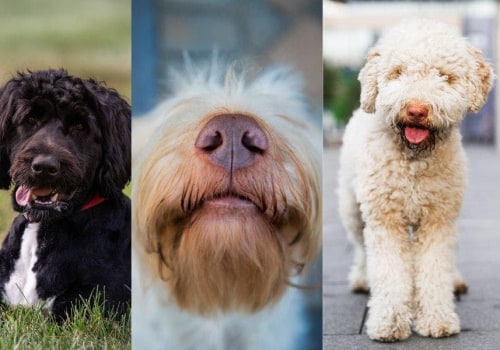
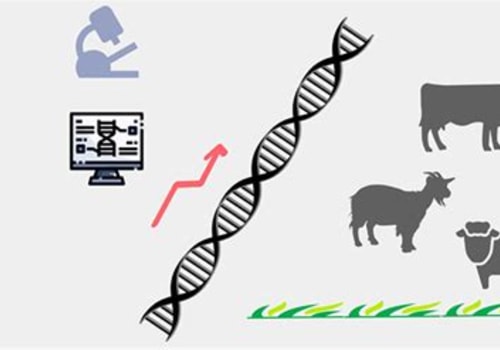
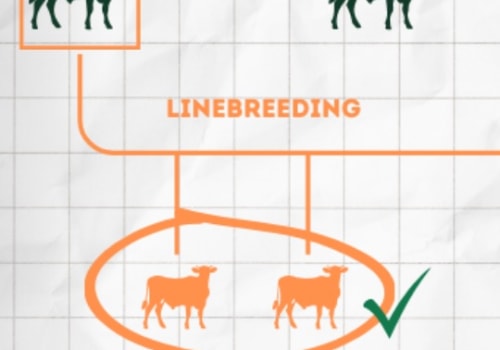
Animal breeding is a practice that has been integral to human civilization for thousands of years, shaping the very fabric of agriculture and animal husbandry. From the domestication of wolves into loyal companions to the selective breeding of livestock for enhanced productivity, the goals of animal breeding have evolved significantly over time. This intricate process not only aims to improve specific traits in animals but also plays a crucial role in ensuring food security, enhancing biodiversity, and supporting conservation efforts. The historical context of animal breeding reveals a fascinating journey marked by innovation and adaptation. Early farmers recognized the benefits of selecting animals with desirable characteristics, such as size, temperament, and disease resistance.
As societies advanced, so did the methods and objectives of breeding programs. Today, modern techniques such as genetic engineering and artificial insemination have revolutionized the field, allowing breeders to achieve goals that were once thought impossible. Understanding the significance of animal breeding is essential for grasping its impact on both agriculture and conservation. In agriculture, breeding programs are designed to produce animals that can thrive in various environments while maximizing yield and efficiency. In conservation, targeted breeding efforts help preserve endangered species and maintain genetic diversity within populations.
As we delve deeper into the specific goals associated with animal breeding, it becomes clear that this practice is not merely about improving livestock; it is about fostering a sustainable future for both animals and humans alike.
Enhancing Agricultural Productivity
Animal breeding plays a pivotal role in enhancing agricultural productivity, particularly in livestock management. By selectively breeding animals for desirable traits, farmers can significantly improve various aspects of livestock performance, which directly impacts their economic viability.One of the primary goals of animal breeding is to increase growth rates. Faster-growing animals can be brought to market sooner, reducing feed costs and increasing turnover for farmers. For instance, beef cattle that are bred for rapid weight gain can reach market weight in a shorter time frame, allowing producers to maximize their profits.Another critical aspect is milk production.In dairy farming, breeding programs focus on enhancing the quantity and quality of milk produced by cows. By selecting for traits such as higher milk yield and better butterfat content, farmers can ensure that their herds are more productive, leading to increased revenue from dairy sales.Additionally, disease resistance is a vital trait that animal breeding aims to improve. Livestock that are more resilient to diseases require fewer veterinary interventions and have lower mortality rates. This not only enhances the welfare of the animals but also reduces costs associated with healthcare and increases overall herd longevity.In summary, the agricultural goals of animal breeding are centered around improving productivity through enhanced growth rates, increased milk production, and greater disease resistance.
These advancements not only benefit individual farmers but also contribute to the overall efficiency and sustainability of agricultural systems.
Improving Animal Health and Welfare
One of the primary goals of animal breeding is to enhance animal health and welfare. This involves a strategic approach to selecting breeding stock that minimizes the risk of genetic diseases and promotes overall well-being.Through selective breeding, breeders can focus on traits that contribute to better health outcomes. For instance, by choosing animals that are less prone to hereditary conditions, breeders can significantly reduce the incidence of diseases that affect specific breeds. This not only improves the quality of life for the animals but also reduces veterinary costs and increases productivity in livestock.Reducing Genetic Diseases
Genetic diseases can have devastating effects on animal populations.By implementing rigorous screening processes and genetic testing, breeders can identify carriers of harmful genes and make informed decisions about which animals to breed. This proactive approach helps in:
- Eliminating inherited disorders: Breeding programs can target specific genetic issues prevalent in certain breeds, leading to healthier offspring.
- Enhancing immune response: Selecting for traits that improve immune function can lead to animals that are more resilient to diseases.
- Improving reproductive health: Healthy breeding stock is essential for successful reproduction, ensuring the continuation of strong genetic lines.
Promoting Overall Well-Being
The welfare goals in animal breeding extend beyond just physical health. Breeders are increasingly recognizing the importance of behavioral traits that contribute to an animal's quality of life. This includes:- Temperament: Selecting for calm and friendly dispositions can lead to animals that are easier to handle and interact with humans.
- Social behavior: Breeding for social compatibility can reduce stress in group-living species, enhancing their overall welfare.
- Adaptability: Animals that can thrive in various environments are less likely to experience stress and health issues related to their living conditions.
By focusing on reducing genetic diseases and promoting positive behavioral traits, breeders play a crucial role in ensuring that animals lead healthier, happier lives.
Conservation of Endangered Species
Animal breeding plays a crucial role in the conservation of endangered species, serving as a vital tool in efforts to preserve biodiversity. Captive breeding programs are designed to increase the population of species that are at risk of extinction due to habitat loss, poaching, and other environmental pressures.One of the primary objectives of these programs is to maintain genetic diversity. A genetically diverse population is more resilient to diseases and environmental changes, which is essential for long-term survival. By carefully selecting breeding pairs, conservationists can help ensure that the genetic health of a species is preserved.Additionally, captive breeding can serve as a temporary refuge for species that are critically endangered in the wild.For example, the California condor and the Arabian oryx have both benefited from intensive breeding programs that have successfully increased their numbers from just a handful of individuals.
- Reintroduction into the Wild: One of the ultimate goals of animal breeding for conservation is to reintroduce these species back into their natural habitats. This process requires careful planning and monitoring to ensure that the animals can adapt and thrive in the wild.
- Public Awareness: Captive breeding programs also play a significant role in raising public awareness about endangered species. By showcasing these animals in zoos and aquariums, they help educate visitors about the importance of conservation efforts.
- Research Opportunities: These programs provide valuable opportunities for research on animal behavior, genetics, and health, which can inform broader conservation strategies.
Meeting Consumer Demands and Preferences
In the realm of animal breeding, understanding and responding to consumer demands is crucial for success.As consumers become more discerning about their food sources, breeders must adapt to meet these evolving preferences. This section explores how market-driven goals shape breeding practices.One of the primary consumer preferences in animal breeding is the demand for specific traits that enhance the overall eating experience. For instance, consumers often seek animals that produce meat with superior flavor, tenderness, and juiciness. Breeders are increasingly focusing on genetic lines that exhibit these desirable characteristics, ensuring that the end product aligns with consumer expectations.Additionally, size and yield are significant factors in consumer preferences.
Many consumers prefer larger cuts of meat or more substantial dairy production. As a result, breeders are selecting for traits that promote growth rates and feed efficiency, which not only satisfy consumer desires but also improve profitability for producers.
Sustainability
has emerged as a critical concern among consumers, influencing their purchasing decisions. Breeders are now tasked with developing animals that require fewer resources while still providing high-quality products. This includes selecting for traits that enhance disease resistance and adaptability to various environments, ultimately leading to more sustainable farming practices.To remain competitive in the market, breeders must stay informed about current trends and consumer preferences.
Engaging with consumers through surveys and feedback can provide valuable insights into what traits are most sought after. By aligning breeding goals with these insights, breeders can ensure they are not only meeting but exceeding consumer expectations.In conclusion, the goals of animal breeding are increasingly driven by market demands. By focusing on flavor, size, and sustainability, breeders can create animals that not only satisfy consumer preferences but also contribute to a more sustainable agricultural future.
Sustainability and Environmental Impact
As the world faces increasing environmental challenges, sustainable animal breeding has emerged as a critical goal within the broader context of animal husbandry. The primary aim is to develop breeding practices that not only enhance productivity but also minimize the ecological footprint of livestock and other domesticated animals.One of the key objectives of sustainable animal breeding is to reduce greenhouse gas emissions.By selecting for traits that improve feed efficiency and overall health, breeders can help lower the amount of methane and other gases produced by livestock. This is particularly important in the context of climate change, where every reduction counts.Another significant goal is to promote biodiversity. Sustainable breeding practices encourage the preservation of various breeds that are well-adapted to local environments. This not only helps maintain genetic diversity but also supports ecosystems by ensuring that animal populations can thrive in their natural habitats.Furthermore, sustainable animal breeding aims to enhance animal welfare.
By focusing on traits that improve health and resilience, breeders can contribute to the overall well-being of animals. Healthier animals are less likely to require antibiotics and other interventions, which can have positive implications for both animal and human health.In addition to these goals, sustainable practices in animal breeding often involve integrated farming systems. These systems promote synergy between crop and livestock production, leading to more efficient use of resources such as water and land. For instance, manure from livestock can be used as fertilizer for crops, creating a closed-loop system that benefits both sectors.Ultimately, the goals of sustainable animal breeding are multifaceted, addressing not only productivity but also the long-term health of our planet.
By prioritizing environmental goals in animal breeding, we can work towards a future where agriculture is both productive and ecologically responsible.
Ethical Considerations in Animal Breeding
Animal breeding is a practice that carries significant ethical considerations, particularly as it relates to the welfare of the animals involved. As breeders aim to enhance specific traits, they must navigate the fine line between achieving desired outcomes and ensuring the health and well-being of the animals.Genetic Manipulation
- One of the most contentious issues in animal breeding is genetic manipulation. While advancements in genetic engineering can lead to improved disease resistance and productivity, they also raise concerns about unintended consequences, such as genetic disorders or reduced genetic diversity.
- Breeders must consider whether the benefits of such manipulations outweigh the potential risks to animal health and welfare.
Welfare Concerns
- The welfare of animals in breeding programs is paramount. Practices that prioritize certain physical traits can inadvertently lead to health issues.
For example, breeding for extreme physical characteristics can result in pain or suffering for the animals.
- Ethical breeders strive to maintain a balance between aesthetic or performance traits and the overall health of the animal, ensuring that their breeding practices do not compromise welfare.
Responsibilities of Breeders
- Breeders have a moral obligation to educate themselves about the implications of their practices. This includes understanding the genetic backgrounds of their breeding stock and being aware of potential health issues that may arise.
- Moreover, ethical breeders should be committed to transparency, providing potential buyers with comprehensive information about the lineage and health status of their animals.
Future Trends in Animal Breeding Goals
The landscape of animal breeding is evolving rapidly, driven by advancements in technology and a growing understanding of genetics. As we look to the future, several key trends are emerging that will shape the goals of animal breeding.- Genomic Selection: One of the most significant trends is the use of genomic selection, which allows breeders to make more informed decisions based on an animal's genetic makeup.
This technology enables the identification of desirable traits at an early age, leading to faster and more efficient breeding cycles.
- Precision Breeding: Precision breeding techniques, including CRISPR and other gene-editing technologies, are gaining traction. These methods allow for targeted modifications in an animal's DNA, enhancing specific traits such as disease resistance or growth rates without introducing unwanted characteristics.
- Sustainability Goals: As environmental concerns grow, the focus on sustainability in animal breeding is becoming paramount. Breeders are increasingly aiming to develop animals that require fewer resources, produce less waste, and have a lower carbon footprint. This shift not only benefits the environment but also meets consumer demand for ethically produced food.
- Animal Welfare Considerations: Future goals in animal breeding will also prioritize animal welfare.
Breeders are expected to select for traits that enhance the well-being of animals, such as temperament and resilience to stressors. This trend reflects a broader societal shift towards humane treatment of livestock.
- Data-Driven Decisions: The integration of big data and artificial intelligence into breeding programs is another trend that will shape future goals. By analyzing vast amounts of data from various sources, breeders can optimize their practices and make more accurate predictions about breeding outcomes.
Conclusion: The Multifaceted Goals of Animal Breeding
In summary, the goals of animal breeding are as diverse as the species involved and the contexts in which they are applied.From enhancing agricultural productivity to supporting conservation efforts, the implications of these goals extend far beyond mere genetic improvement. One of the primary objectives is to increase livestock productivity. This includes breeding animals that can produce more milk, meat, or eggs while requiring fewer resources. Such advancements not only benefit farmers economically but also contribute to food security in a growing global population. Another significant goal is the enhancement of animal health. By selecting for traits that confer disease resistance or improved welfare, breeders can help reduce the reliance on veterinary interventions and antibiotics, promoting a more sustainable approach to animal husbandry. Moreover, conservation breeding plays a crucial role in preserving endangered species.
Through carefully managed breeding programs, it is possible to maintain genetic diversity and bolster populations that are at risk of extinction. This aspect of animal breeding highlights its importance in maintaining biodiversity and ecological balance. Additionally, companion animal breeding focuses on producing pets that exhibit desirable traits such as temperament and health. This not only enhances the human-animal bond but also addresses issues related to overpopulation and abandonment through responsible breeding practices. Ultimately, the multifaceted goals of animal breeding reflect a complex interplay between human needs and ethical considerations. As we continue to navigate challenges such as climate change and habitat loss, the role of animal breeding will remain pivotal in shaping a sustainable future for both agriculture and wildlife conservation.