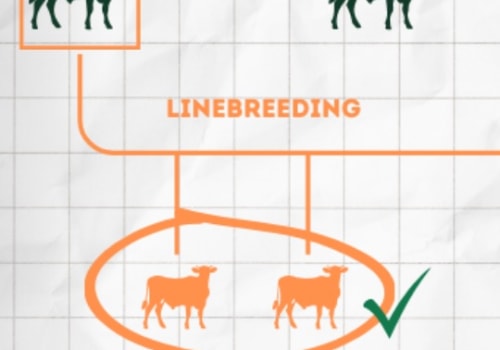
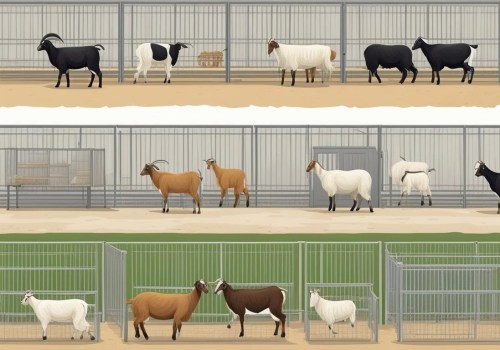
Animal breeding is a critical practice that plays a pivotal role in enhancing the quality and productivity of livestock and companion animals. By selectively mating individuals with desirable traits, breeders aim to improve various characteristics such as growth rate, disease resistance, and reproductive performance. This process not only contributes to the efficiency of agricultural production but also supports the sustainability of animal populations in the wild. The importance of animal breeding extends beyond mere economic benefits; it is also essential for conservation efforts. Through careful selection and management, breeders can help preserve endangered species and maintain genetic diversity within populations.
This is particularly crucial in an era where habitat loss and climate change threaten many animal species. By understanding the principles of animal breeding, stakeholders can make informed decisions that benefit both agriculture and biodiversity. Moreover, the advancements in genetic research have revolutionized animal breeding, allowing for more precise selection methods. Techniques such as genomic selection enable breeders to identify favorable traits at a molecular level, leading to faster improvements in livestock quality. As we delve deeper into the significance of pedigree records in breeding programs, it becomes clear that these records are not just historical documents; they are vital tools that inform breeding decisions and enhance the overall success of breeding initiatives.
What Are Pedigree Records?
Pedigree records are comprehensive documents that trace the lineage of an animal, detailing its ancestry and genetic background.These records serve as a vital tool in animal breeding programs, providing breeders with essential information about the traits and characteristics passed down through generations.Typically, a pedigree record includes:
- Animal Identification: Each record starts with the identification of the animal, including its name, registration number, and breed.
- Parentage Information: This section outlines the names and registration details of both the sire (father) and dam (mother), establishing a clear lineage.
- Generational Data: Pedigree records often extend back several generations, showcasing not only parents but also grandparents and great-grandparents, which helps in understanding inherited traits.
- Health and Performance Records: Many pedigree documents include health screenings and performance metrics of ancestors, which can indicate potential genetic issues or desirable traits.
- Breeding History: This may encompass previous breeding outcomes, including offspring produced and their performance, which is crucial for evaluating breeding success.
The Role of Pedigree Records in Animal Breeding Programs
In the realm of animal breeding, pedigree records serve as a foundational tool that significantly enhances the effectiveness of breeding programs. These records provide a comprehensive history of an animal's lineage, allowing breeders to make informed decisions based on genetic traits and potential health issues.Understanding Lineage
- Pedigree records detail the ancestry of an animal, tracing back multiple generations.
This information is crucial for identifying desirable traits that may be passed down through generations.
- By analyzing lineage, breeders can avoid inbreeding, which can lead to genetic disorders and reduced vitality in offspring.
Enhancing Genetic Quality
- With detailed pedigree records, breeders can select animals that exhibit superior characteristics, such as better growth rates, disease resistance, and improved reproductive performance.
- This selection process not only improves the quality of individual animals but also contributes to the overall genetic pool of the breed.
Informed Breeding Decisions
- Pedigree records allow breeders to track performance data over time, enabling them to make evidence-based decisions about which animals to breed.
- This data-driven approach minimizes risks and maximizes the likelihood of producing healthy, high-quality offspring.
Benefits of Maintaining Accurate Pedigree Records
Maintaining accurate pedigree records is crucial in animal breeding programs for several reasons. These records serve as a comprehensive database that helps breeders make informed decisions, ultimately enhancing the quality and health of their livestock.- Improved Genetic Diversity: By keeping detailed pedigree records, breeders can track the lineage of their animals. This tracking allows for the identification of genetic diversity within a breeding population, which is essential for avoiding inbreeding.
Inbreeding can lead to a host of genetic disorders and reduced vitality, so maintaining diverse gene pools is vital.
- Disease Resistance: Accurate pedigree records can help identify animals that possess resistance to specific diseases. By selecting breeding stock with proven disease resistance, breeders can enhance the overall health of their herds. This proactive approach not only reduces veterinary costs but also improves animal welfare.
- Enhanced Performance Traits: Breeders can analyze performance traits such as growth rates, milk production, and reproductive success through pedigree records. This data enables them to select animals that exhibit desirable traits, leading to improved productivity and profitability.
- Better Management Decisions: With precise pedigree information, breeders can make better management decisions regarding breeding pairs.
Understanding the genetic background of each animal allows for strategic pairings that maximize the potential for desirable offspring.
- Long-term Planning: Accurate records facilitate long-term planning in breeding programs. Breeders can set goals based on historical data and track progress over time, ensuring that they are moving towards their desired outcomes.
Challenges in Managing Pedigree Records
Managing pedigree records in animal breeding programs presents several challenges that can significantly affect breeding outcomes. One of the primary issues is the accuracy of the data.Inaccurate or incomplete records can lead to poor breeding decisions, resulting in undesirable traits being passed on to future generations. Breeders must ensure that every entry in the pedigree is verified and up-to-date, which can be a time-consuming process.Another challenge is the standardization of record-keeping practices. Different breeders may use varying methods for documenting lineage, which can create confusion and inconsistencies when comparing pedigrees across different breeding programs. This lack of uniformity can hinder collaboration and sharing of valuable genetic information among breeders.Additionally, the storage and management of pedigree data pose significant hurdles.
As breeding programs expand, the volume of data increases, making it difficult to maintain organized records. Breeders often rely on software solutions to manage this data, but not all software is user-friendly or equipped with the necessary features to handle complex pedigree information effectively.Moreover, data security is a growing concern. With the rise of digital record-keeping, breeders must ensure that their pedigree information is protected from unauthorized access or loss due to technical failures. Implementing robust security measures is essential to safeguard sensitive genetic information.Lastly, breeders may face challenges in educating themselves and their teams about best practices in pedigree management.
Continuous training and updates on new technologies and methodologies are crucial for maintaining high standards in record-keeping.In summary, while managing pedigree records is vital for successful animal breeding, it comes with its own set of challenges that require careful attention and proactive strategies to overcome.
Technological Advances in Pedigree Record Keeping
In recent years, the field of animal breeding has witnessed significant advancements in technology that have transformed the way pedigree records are maintained and utilized. These innovations not only enhance the accuracy of data but also improve accessibility for breeders, making it easier to manage breeding programs effectively.One of the most notable developments is the rise of digital pedigree management systems. These platforms allow breeders to store, update, and analyze pedigree information in real-time. Unlike traditional paper records, digital systems minimize the risk of data loss and errors, ensuring that breeders have access to reliable information at all times.- Cloud-Based Solutions: Many modern pedigree management systems operate on cloud technology, enabling breeders to access their records from anywhere with an internet connection.
This flexibility is particularly beneficial for those managing multiple breeding locations.
- Data Integration: Advanced software can integrate various data sources, including genetic testing results and performance metrics. This holistic view allows breeders to make informed decisions based on comprehensive insights.
- User-Friendly Interfaces: Today's digital tools often feature intuitive interfaces that simplify data entry and retrieval. This ease of use encourages more breeders to adopt technology in their practices.
By leveraging digital tools and integrating genetic data, breeders can enhance their programs' efficiency and effectiveness, ultimately leading to healthier and more productive livestock.
Case Studies: Successful Breeding Programs Utilizing Pedigree Records
Understanding the impact of pedigree records in animal breeding can be best illustrated through real-world examples. Several breeding programs have successfully leveraged these records to enhance genetic quality, improve health traits, and increase productivity.Case Study 1: Holstein Cattle Breeding
One notable example is the Holstein cattle breeding program in the United States. By meticulously tracking pedigree records, breeders have been able to select for desirable traits such as milk production and disease resistance. The use of genetic evaluations based on pedigree data has led to significant improvements in herd performance.For instance, the average milk yield per cow has increased by over 30% in the last two decades, showcasing the effectiveness of informed breeding decisions.
Case Study 2: Thoroughbred Horse Racing
The Thoroughbred racing industry also exemplifies the importance of pedigree records. Breeders utilize detailed lineage information to identify potential champions. The famous racehorse Secretariat, for example, had a pedigree that included several high-performing ancestors. This lineage analysis not only helps in selecting breeding pairs but also in marketing horses to potential buyers, as a strong pedigree can significantly increase a horse's value.Case Study 3: Dog Breeding Programs
In dog breeding, organizations like the American Kennel Club (AKC) maintain extensive pedigree databases that assist breeders in making informed choices.For instance, breeders of Labrador Retrievers often refer to these records to avoid genetic disorders associated with certain bloodlines. By ensuring genetic diversity and health through careful selection based on pedigree, breeders can produce healthier puppies with fewer inherited conditions.These case studies highlight that effective use of pedigree records not only enhances the quality of breeds but also contributes to the overall sustainability of animal breeding programs. By making data-driven decisions, breeders can achieve their goals while promoting animal welfare and genetic diversity.
Frequently Asked Questions About Pedigree Records and Animal Breeding
Understanding pedigree records is crucial for anyone involved in animal breeding. Here are some frequently asked questions that can help clarify their importance:- What are pedigree records? Pedigree records are detailed documents that outline the lineage of an animal, showcasing its ancestry and genetic background.
These records are essential for breeders to track traits and ensure genetic diversity.
- Why are pedigree records important in animal breeding? They help breeders make informed decisions by providing insights into the genetic health and potential of breeding stock. This information can prevent inbreeding and promote desirable traits in future generations.
- How do pedigree records affect the value of an animal? An animal with a well-documented pedigree often commands a higher price due to its proven lineage and potential for producing quality offspring. Buyers are more likely to invest in animals with clear and reputable ancestry.
- Are there common misconceptions about pedigree records? One common misconception is that pedigree records guarantee the quality of an animal. While they provide valuable information, they do not ensure that every offspring will inherit the best traits.
Additionally, some believe that all breeds have equal pedigree documentation, which is not true; the thoroughness of records can vary significantly between breeds.
Conclusion: The Essential Role of Pedigree Records in Animal Breeding Programs
In conclusion, the significance of pedigree records in animal breeding programs cannot be overstated. These records serve as the backbone of informed breeding decisions, ensuring that breeders can trace lineage and understand the genetic makeup of their animals. By maintaining accurate and comprehensive pedigree information, breeders can:- Enhance Genetic Diversity: Pedigree records help identify genetic relationships among animals, allowing breeders to avoid inbreeding and promote genetic diversity within their breeding stock.
- Improve Health and Performance: Understanding the hereditary traits of animals enables breeders to select for desirable characteristics, such as disease resistance and productivity, ultimately leading to healthier and more efficient livestock.
- Facilitate Record Keeping: A well-maintained pedigree system simplifies the tracking of breeding history, making it easier for breeders to manage their programs and make data-driven decisions.
- Support Market Value: Animals with documented pedigree records often command higher prices in the market, as buyers are more likely to invest in animals with known lineage and proven performance.
As the industry continues to evolve, embracing technology and data management practices will further strengthen the role of pedigree records in achieving breeding goals.Ultimately, for breeders aiming for success, investing time and resources into maintaining accurate pedigree records is essential. This practice not only preserves the integrity of breeding programs but also fosters a culture of excellence within the field of animal husbandry.